Hands-on, opinionated walkthroughs for everyday QA + dev workflows.
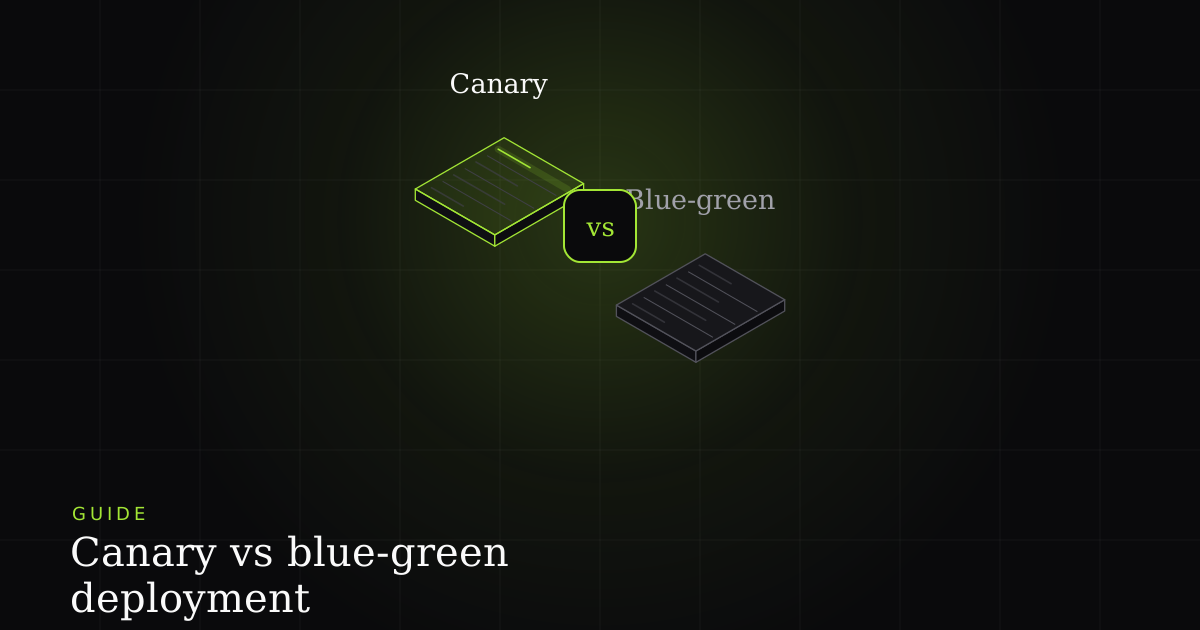
Canary vs blue-green deployment explained: how each shifts traffic, limits blast radius, rolls back, and when to use one over the other in 2026.
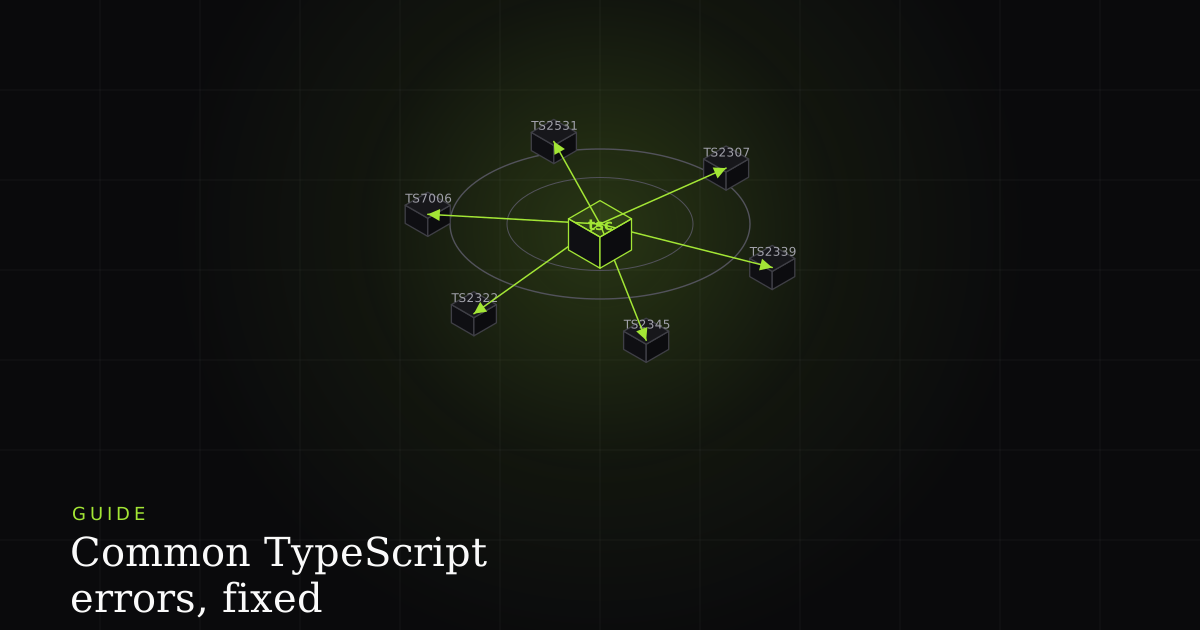
The most common TypeScript compiler errors (TS2307, TS2339, TS2345, TS2322, TS7006, and 'possibly null') explained, with broken and fixed code for each.
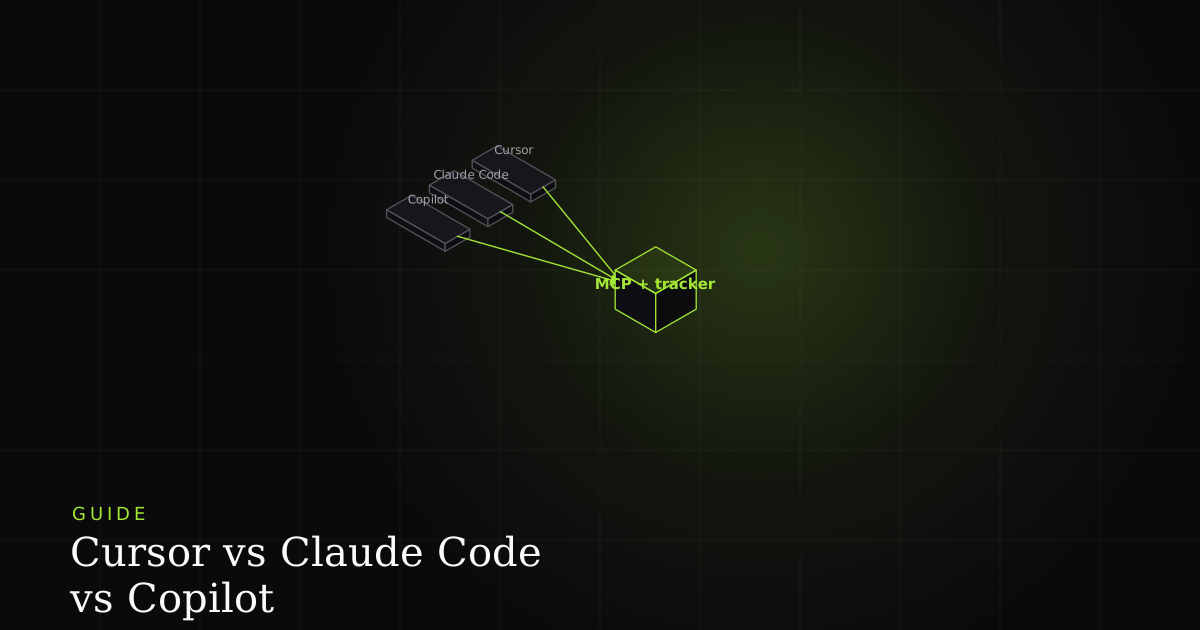
A neutral comparison of Cursor, Claude Code, and Copilot for debugging: context gathering, agent autonomy, and why MCP is the real equalizer.
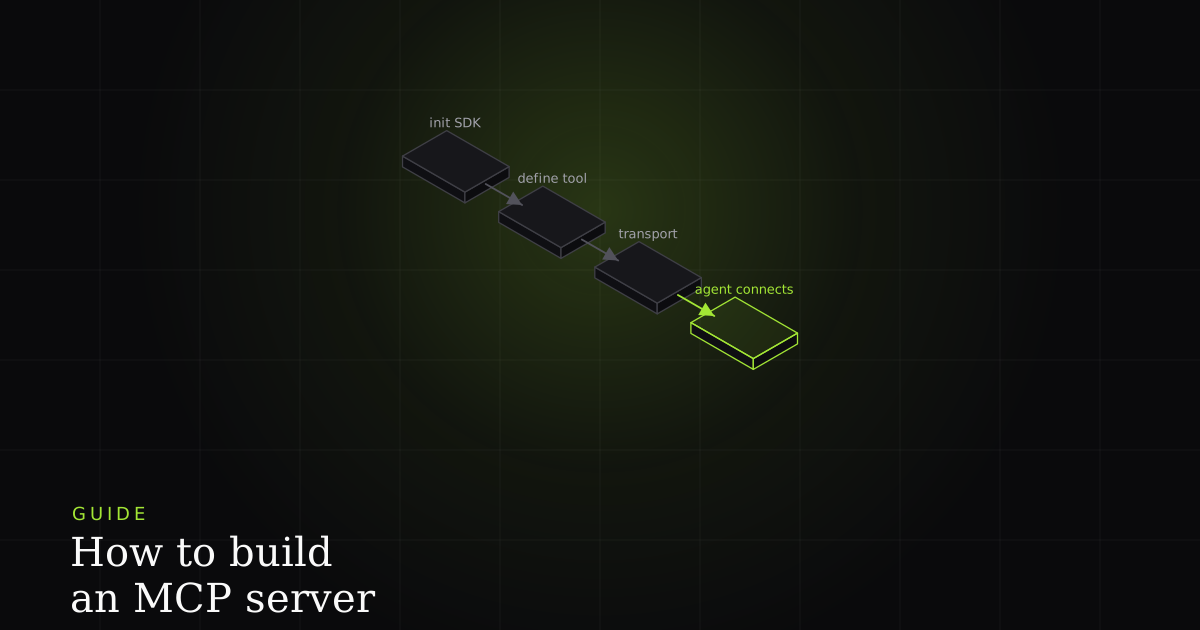
A hands-on tutorial for building an MCP server: init the SDK, define a tool with a typed schema, pick stdio or HTTP transport, and connect it to Claude Code.
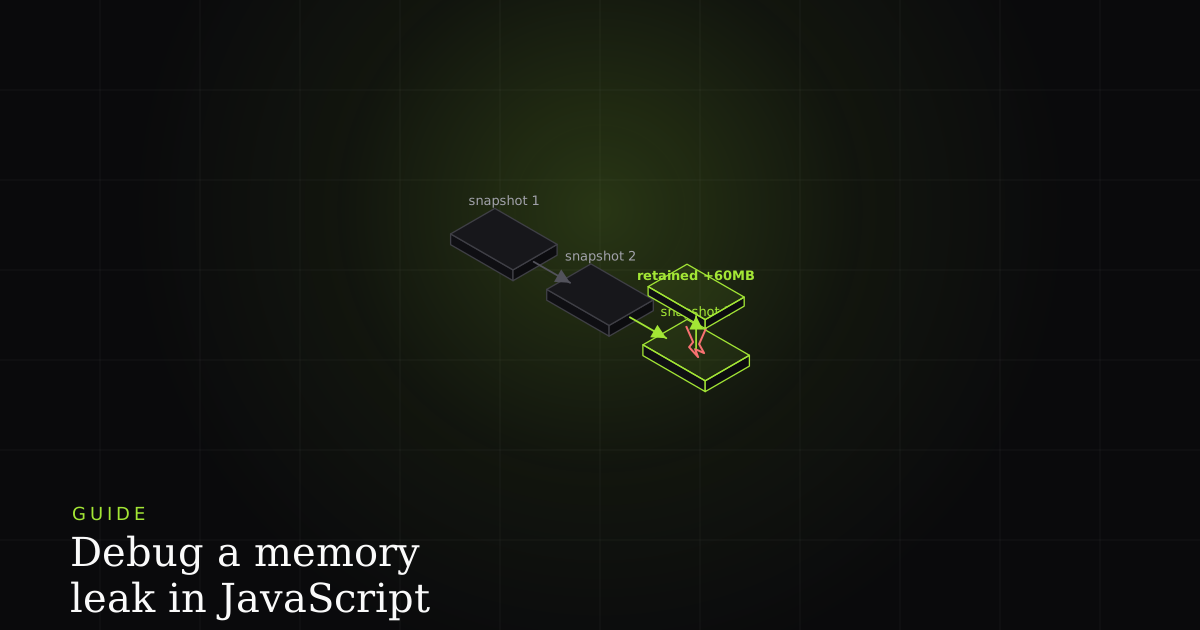
Debug a JavaScript memory leak: the causes that retain memory, plus the Chrome DevTools three-snapshot technique to find the leaking interaction and fix it.
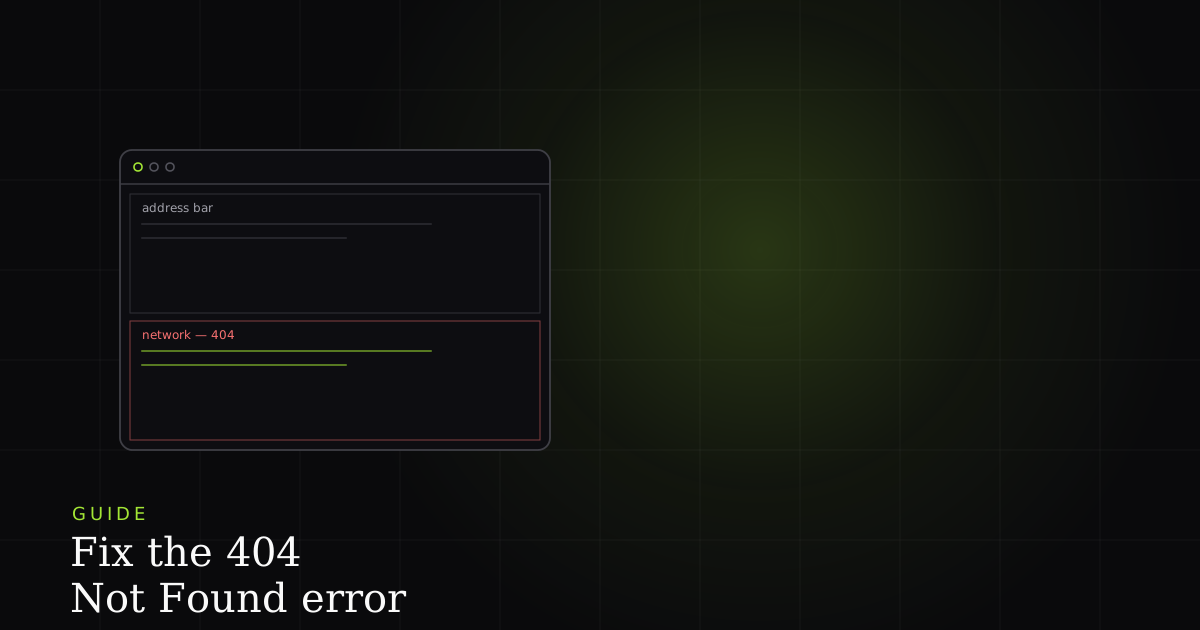
A 404 Not Found means the server couldn't find the requested resource. Here's what causes 404s on pages and API calls, how to diagnose them, and how to fix each.
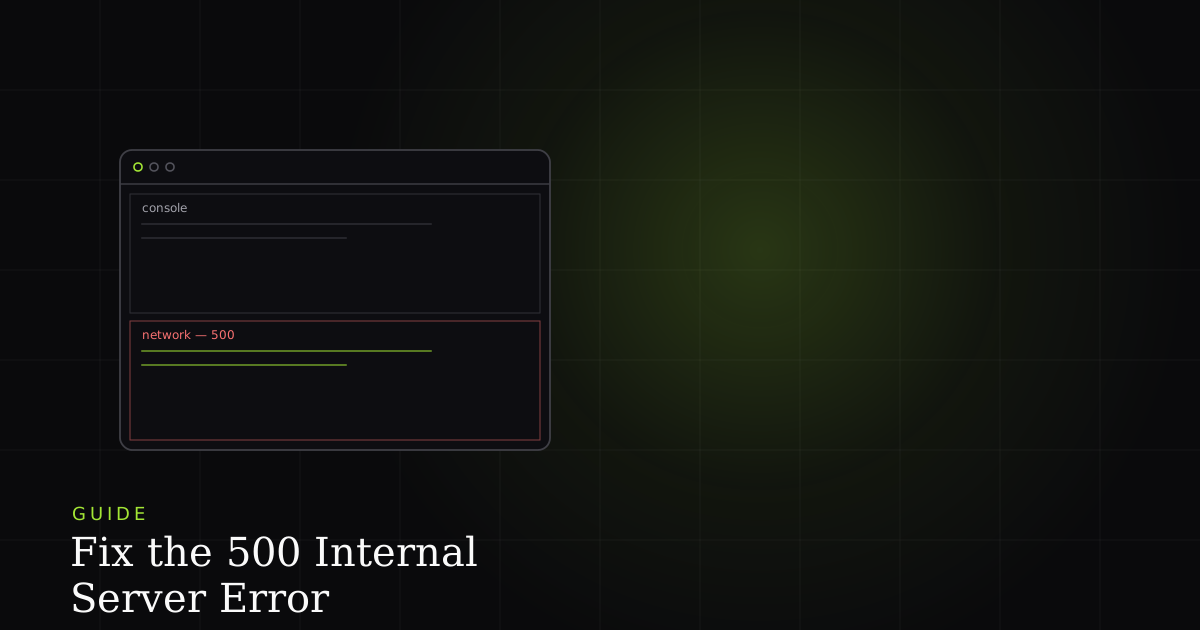
A 500 Internal Server Error means the server failed to produce a response. Learn how to narrow it down from the browser, reproduce with curl, and read the logs.
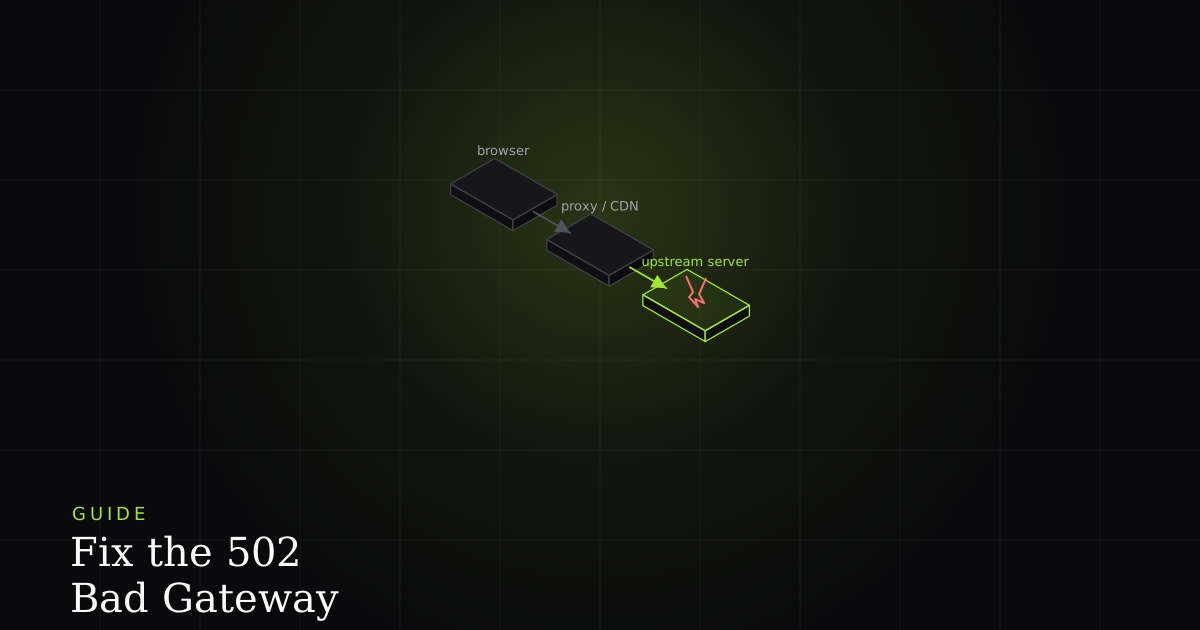
A 502 Bad Gateway means a proxy got an invalid response from the upstream server. Learn the causes, how to diagnose it, and how it differs from 504 and 503.
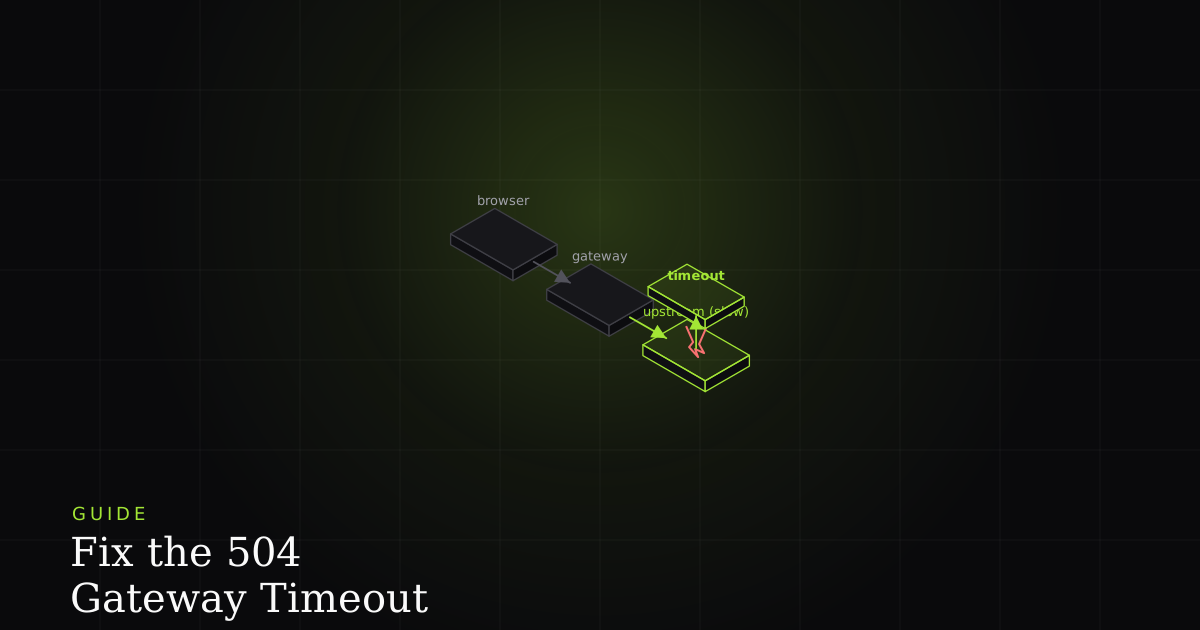
A 504 Gateway Timeout means a proxy got no response from the upstream in time. What causes it, how to diagnose the slow upstream, and how to fix it.
Cannot find module and Module not found errors explained: causes from a missing install, wrong path, ESM extension, or case mismatch, plus the fix for each.
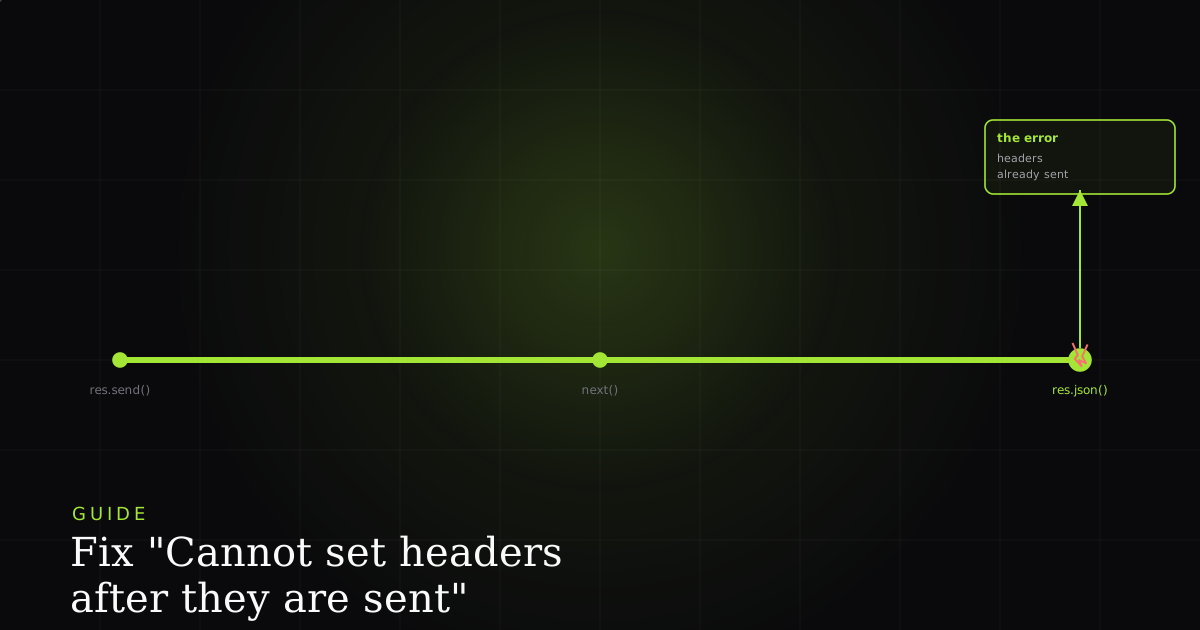
ERR_HTTP_HEADERS_SENT explained for Node and Express: why a handler responds twice, the missing-return trap, and how to guarantee one response per request.
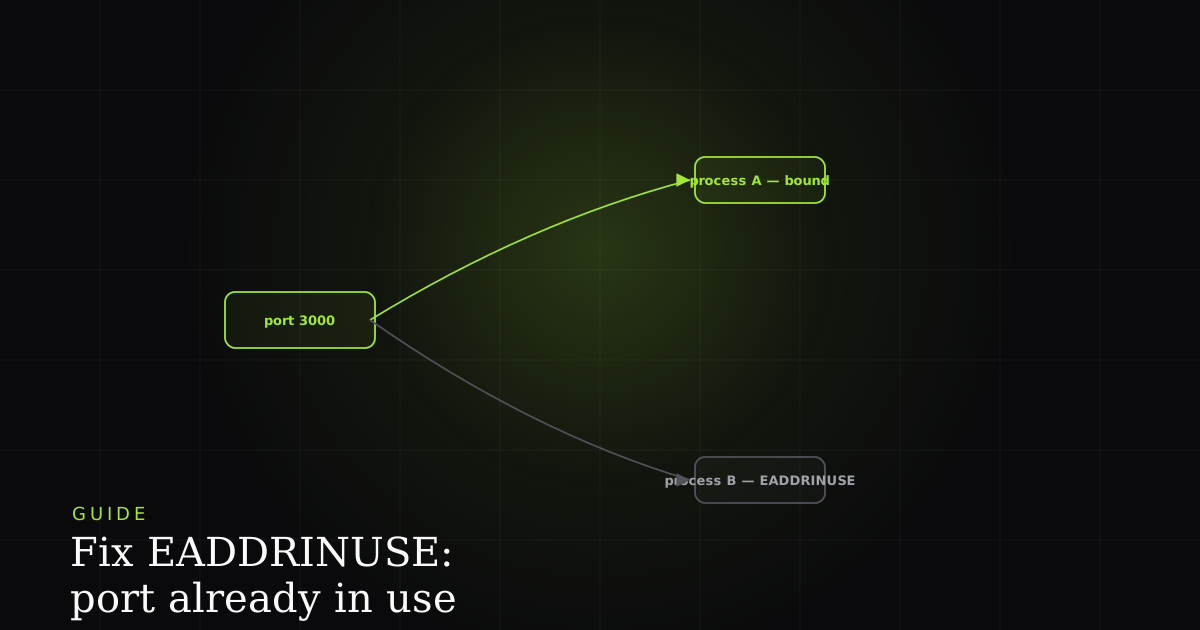
EADDRINUSE means another process already owns the port your Node app wants. How to find and kill it, change ports, and handle it gracefully in code.
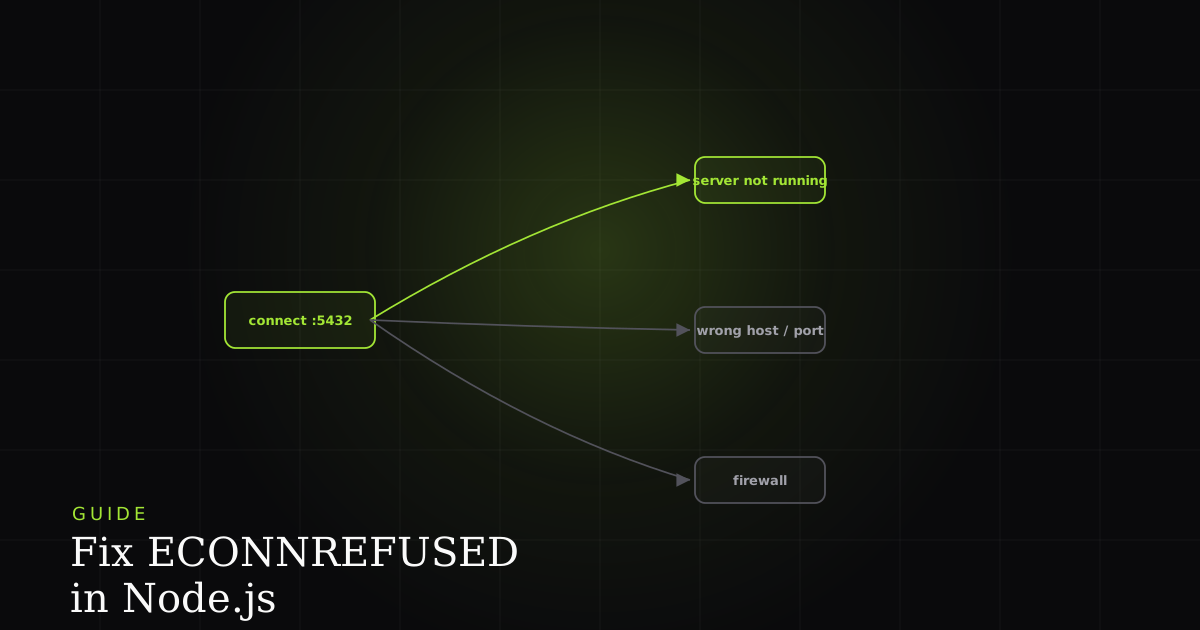
connect ECONNREFUSED in Node.js means the target actively refused the connection. Here are the six causes and how to diagnose and fix each one fast.
"Failed to fetch" means the fetch() promise rejected on a network failure, not an HTTP error. The real causes, the Network-tab check, and the fixes that work.
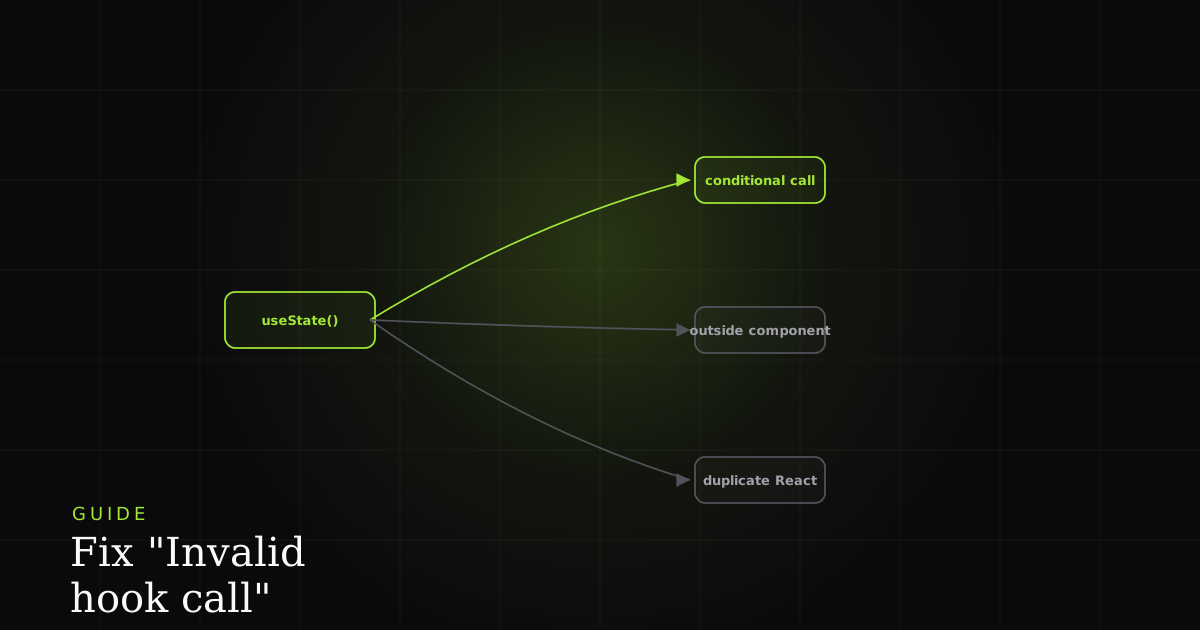
Invalid hook call in React explained: the three official causes (breaking the rules of hooks, version mismatch, and duplicate React) and the fix for each.
"x is not a function" in JavaScript explained: typos, undefined imports, a lost this binding, and wrong value types, with broken-to-fixed code for each cause.
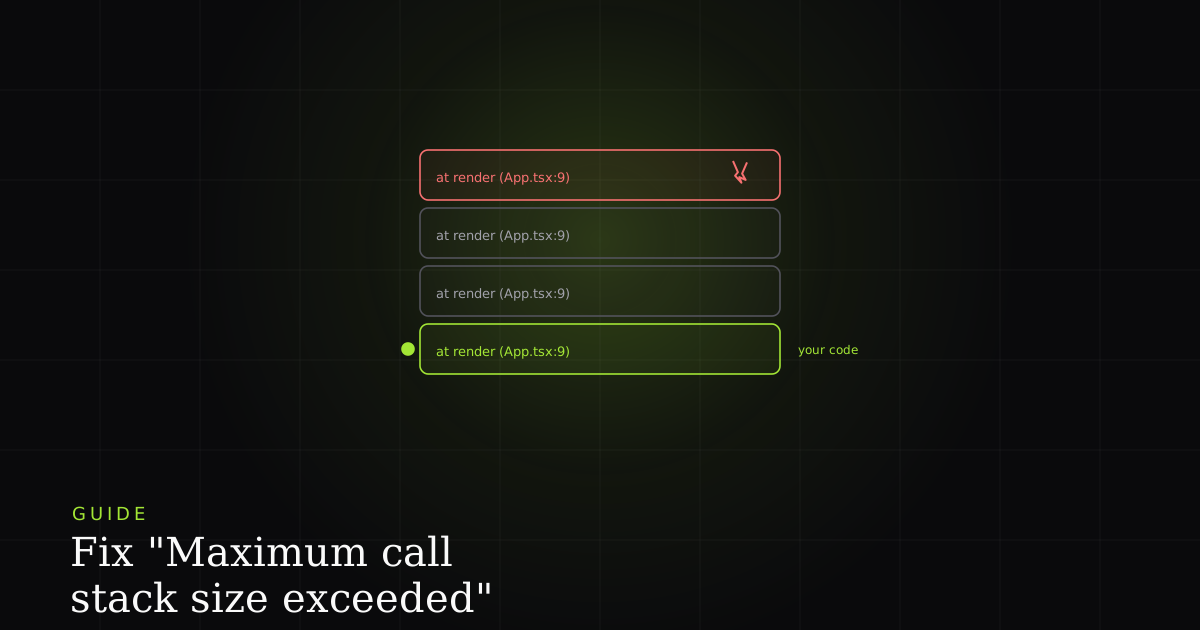
Maximum call stack size exceeded means your recursion never hit its base case. Here is what the RangeError is, its common causes, and how to fix and find it.
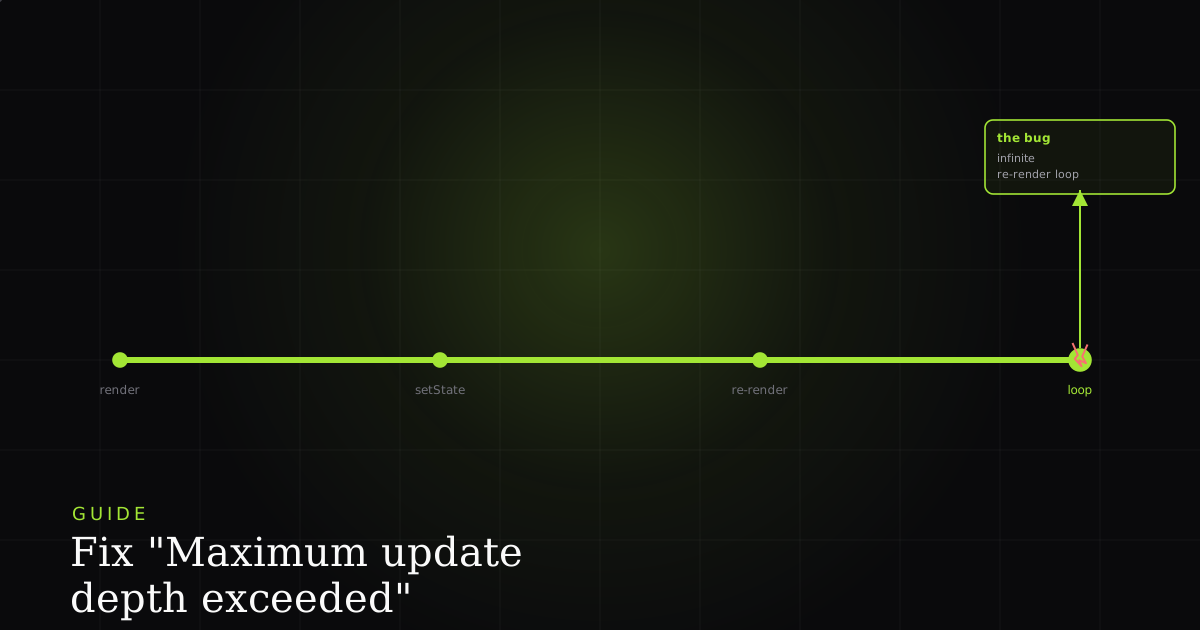
Maximum update depth exceeded means a React component loops render to setState to render forever. Here are the four causes and the fixes that stop it.
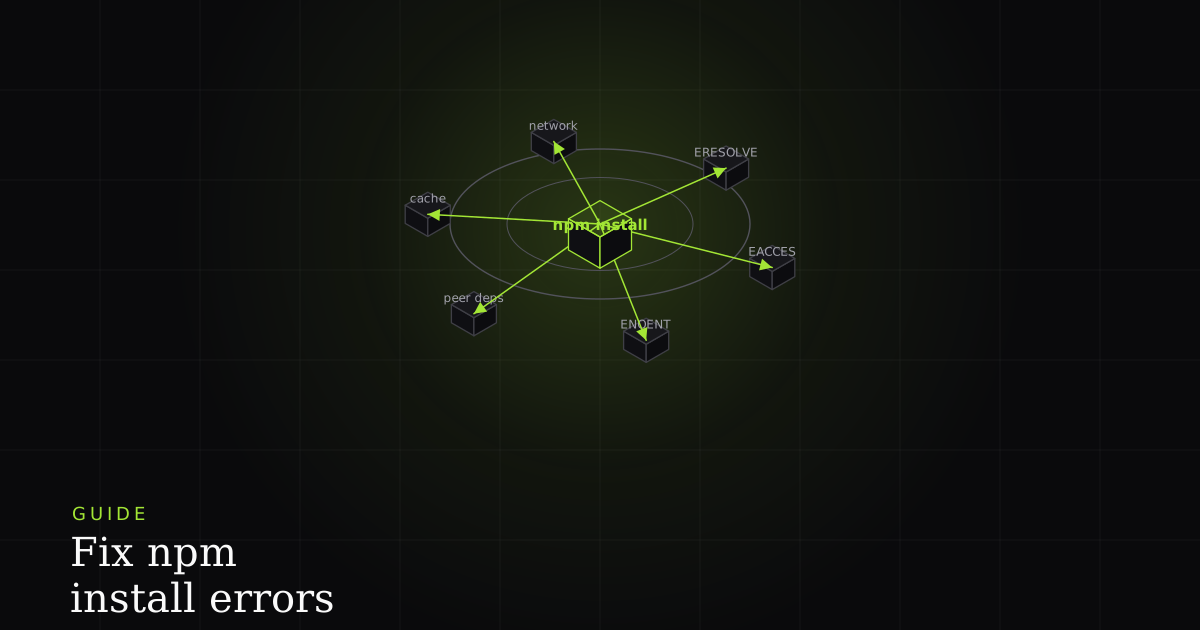
A field guide to common npm install errors (ERESOLVE, EACCES, ENOENT, ETARGET, network, and cache issues) with what each means and the fix.
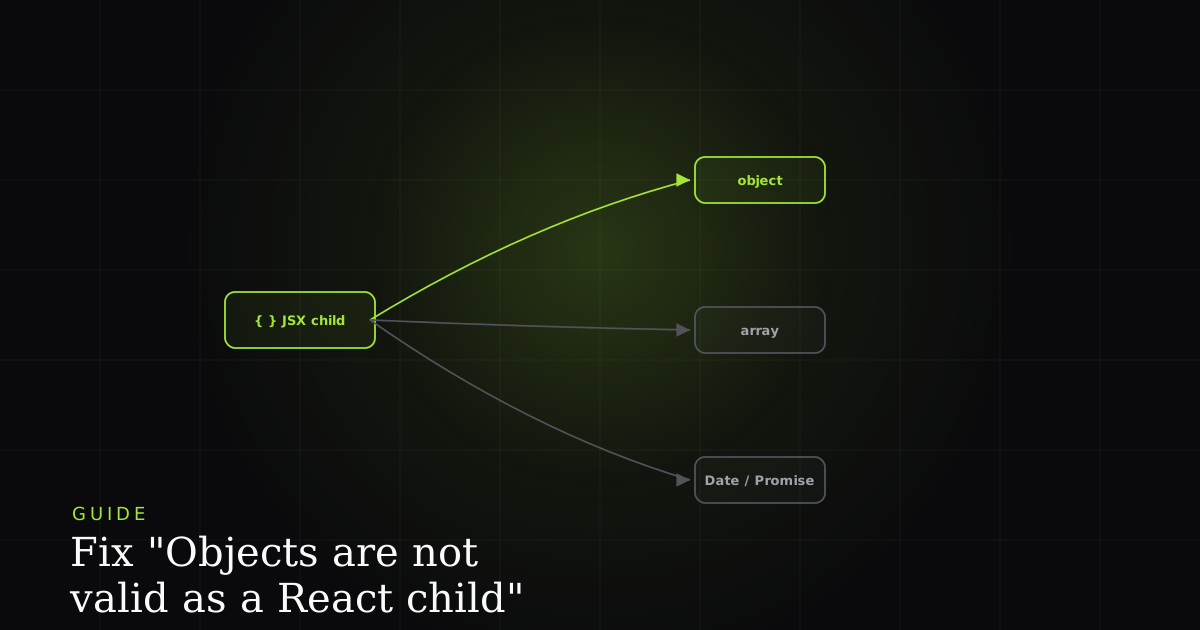
Objects are not valid as a React child, explained: why React can't render plain objects, and how to fix an object, Date, Promise, or array in JSX.
Fix React's "unique key prop" warning: why keys control list identity, why the array index breaks stateful lists, and the correct stable-id fix.
ReferenceError: x is not defined means you used a name that is not in scope. Learn the causes: typos, the temporal dead zone, scope, imports, and wrong-env globals.
"Unexpected token < in JSON at position 0" usually means the server returned HTML, not JSON. Here is what causes JSON.parse SyntaxErrors and how to fix each.
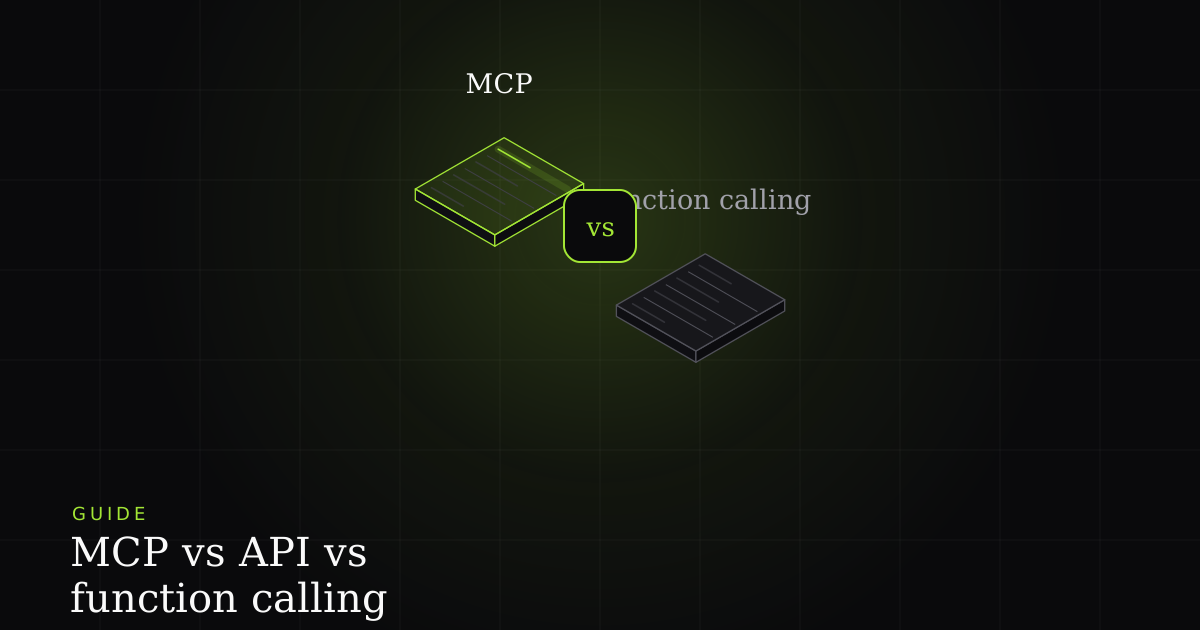
A precise breakdown of MCP vs API vs function calling: what each one is, who implements it, and how the three layers stack instead of competing.
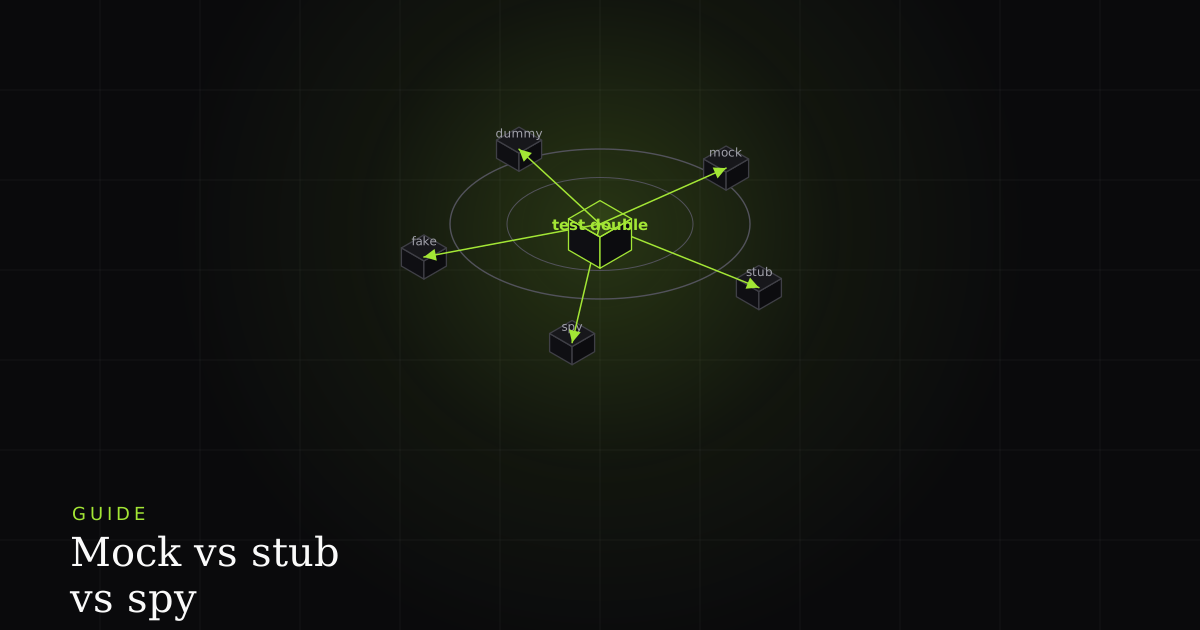
Mock vs stub vs spy explained with code: the five test doubles, state vs behavior verification, and when over-mocking makes tests brittle.
Learn to prompt an LLM or coding agent to actually fix a bug: the anatomy of a good debugging prompt, techniques, anti-patterns, and a copy-paste template.
An honest test automation vs manual testing guide: what each is best for, the real costs of both, what to automate first, and what to keep human.
TypeScript vs JavaScript explained: TypeScript is a typed superset that compiles to plain JS. What it adds, what it costs, and when to pick each.
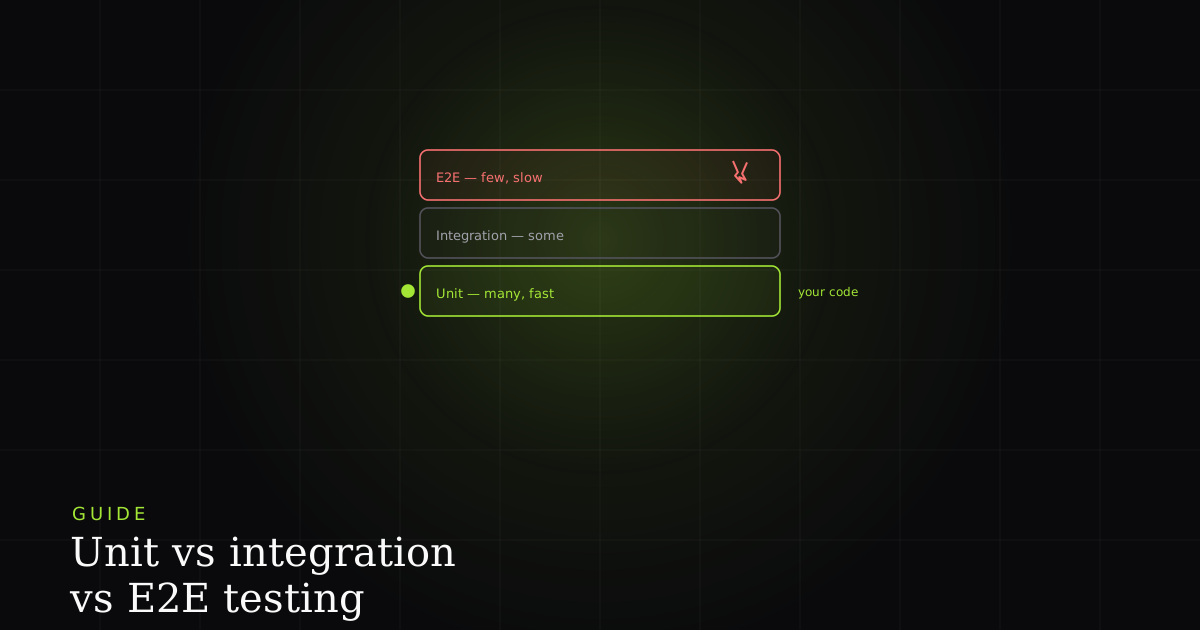
Unit, integration, and E2E testing explained, plus how the Testing Pyramid balances them: many fast unit tests, fewer integration, few slow E2E.
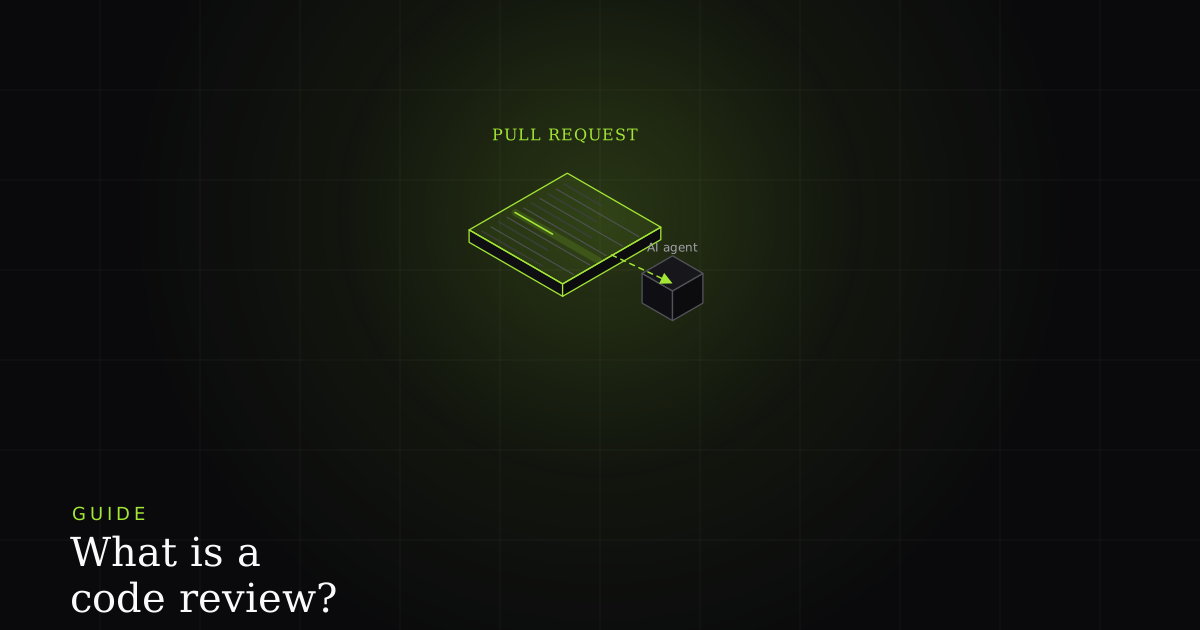
What a code review is, what reviewers should look for, and the author and reviewer best practices that make pull-request reviews catch bugs early.
What a test plan is: the document defining the scope, approach, resources, and schedule of testing, with standard components, a free template, and common mistakes.
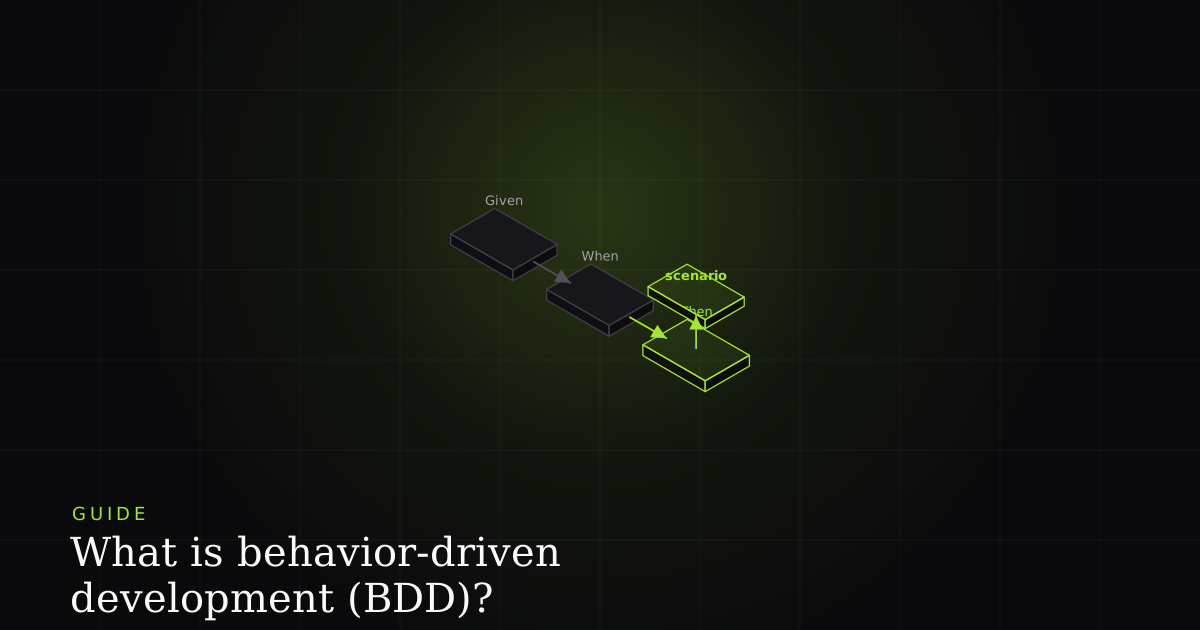
BDD describes software behavior in plain Given-When-Then language so business, dev, and QA agree on what done means before any code is written.
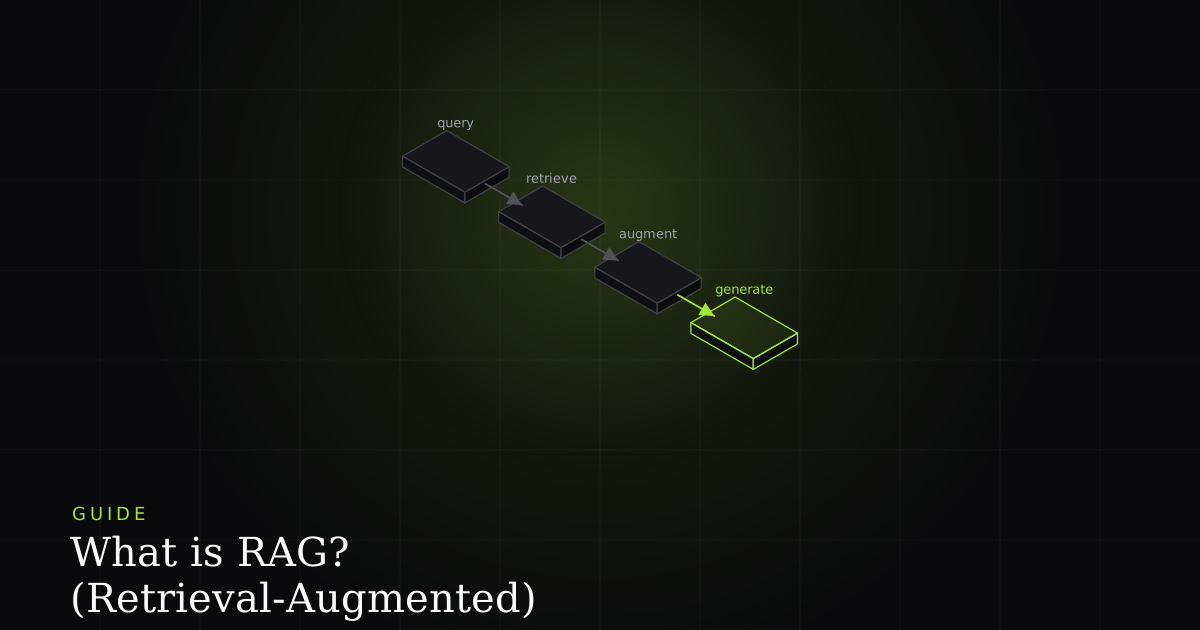
RAG (retrieval-augmented generation) gives an LLM external, up-to-date, and private knowledge by retrieving relevant documents at query time and grounding its answer.
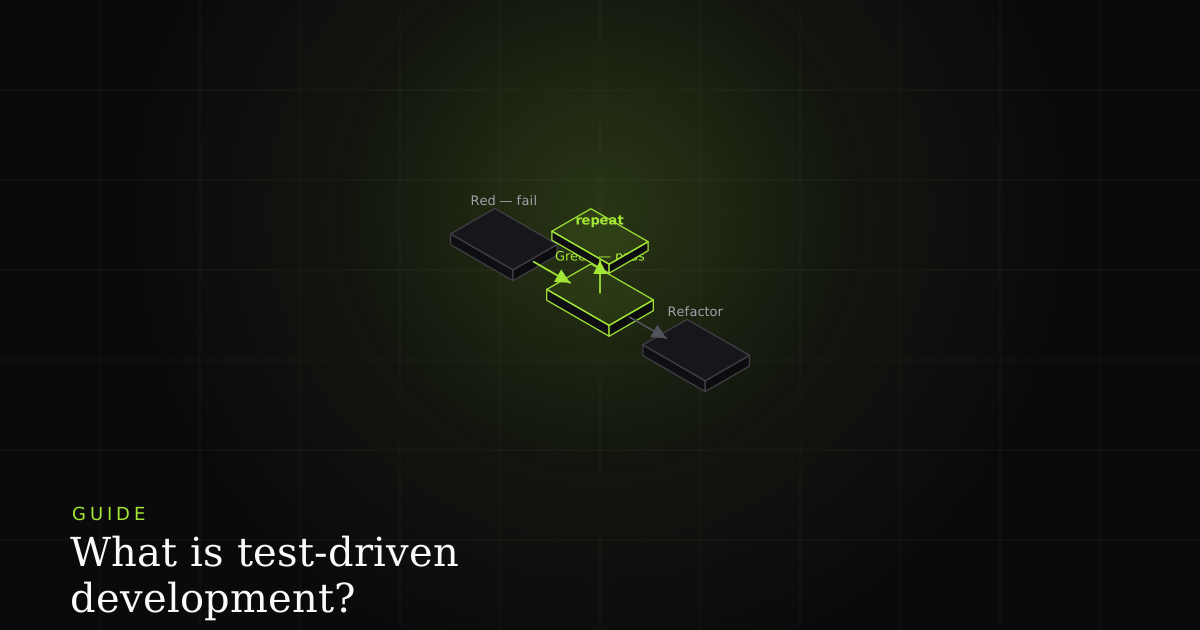
Test-driven development (TDD) means writing a failing test first, then the minimum code to pass, then refactoring. Learn red-green-refactor with examples.
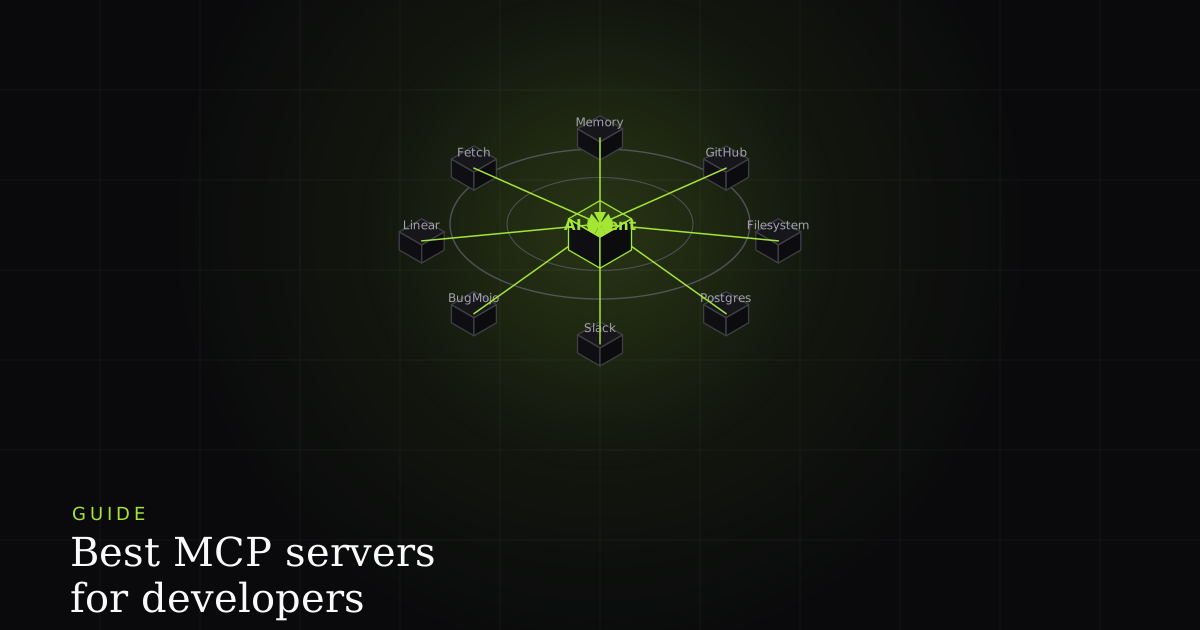
A curated guide to the MCP servers worth connecting to your AI coding agent in 2026, grouped by category, not scraped from a 20,000-entry directory.
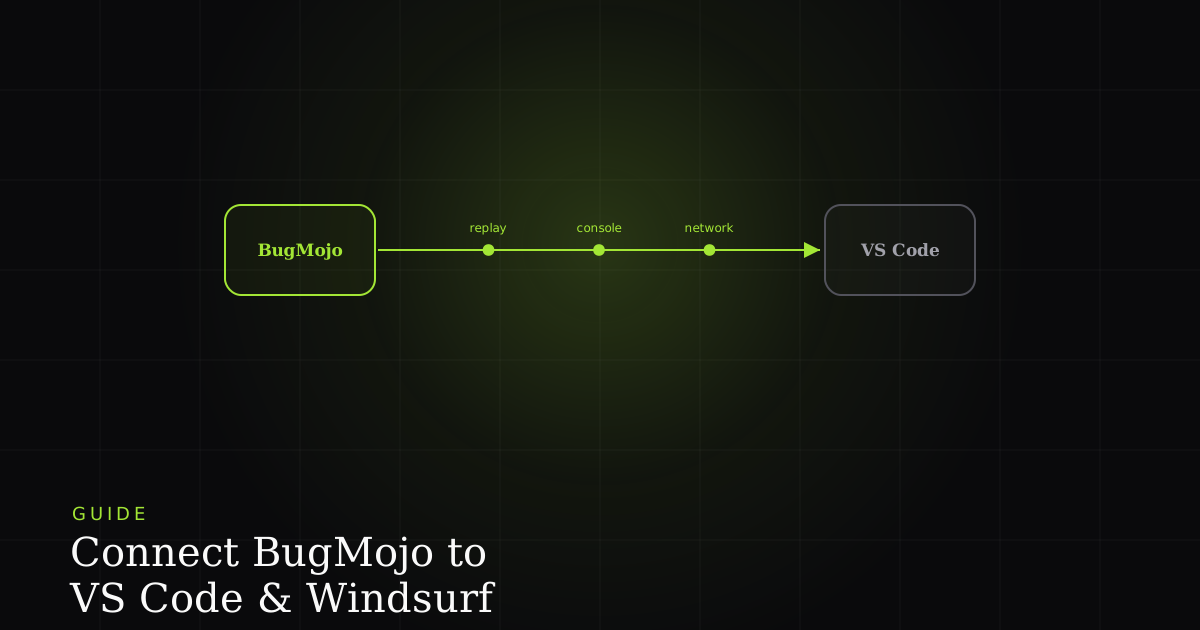
Step-by-step guide to connecting BugMojo's MCP server to VS Code Copilot agent mode and Windsurf Cascade, including the mcp.json vs mcp_config.json root-key mismatch.
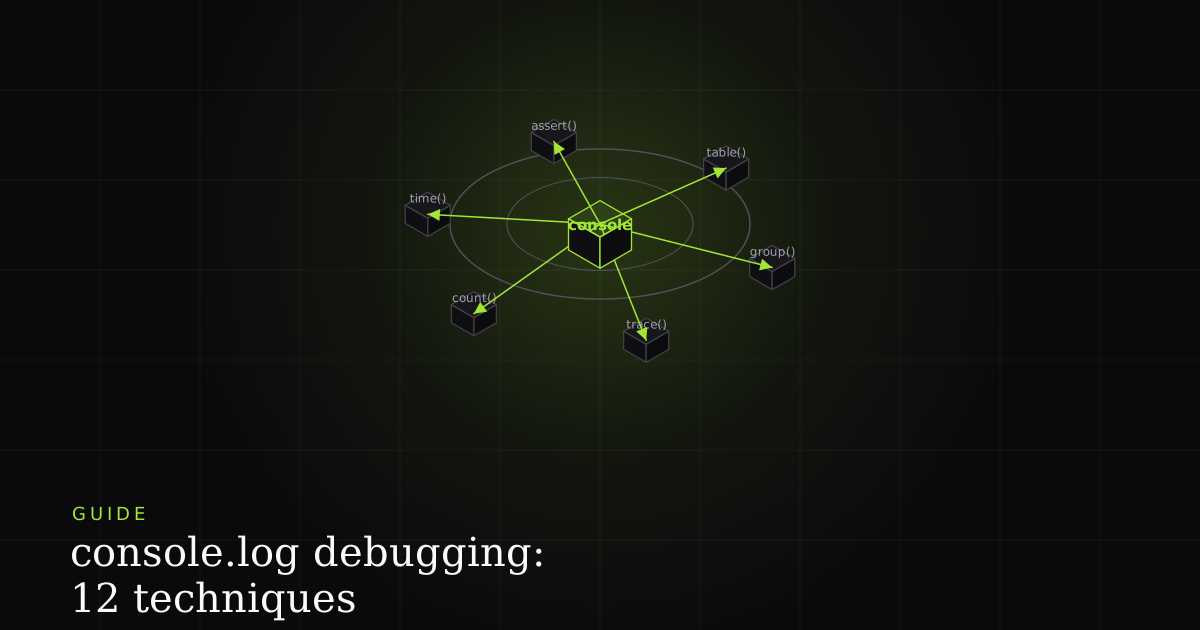
Go beyond console.log with the Console API, DevTools logpoints and conditional breakpoints, watch expressions, the Network panel, and the Node inspector.
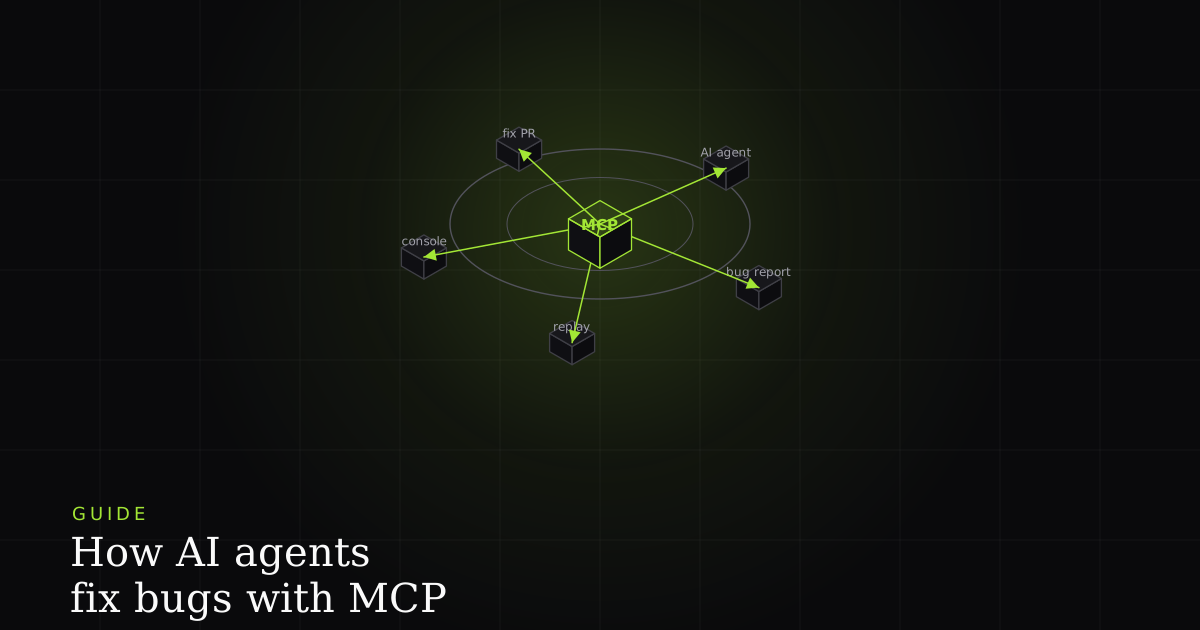
A mechanical, step-by-step look at how AI agents fix bugs through MCP tool calls, and why context quality (not model size) decides whether the fix is right.
Cannot read properties of undefined (reading 'x') explained: what the error means, the real causes with before/after code, and the fixes that actually work.
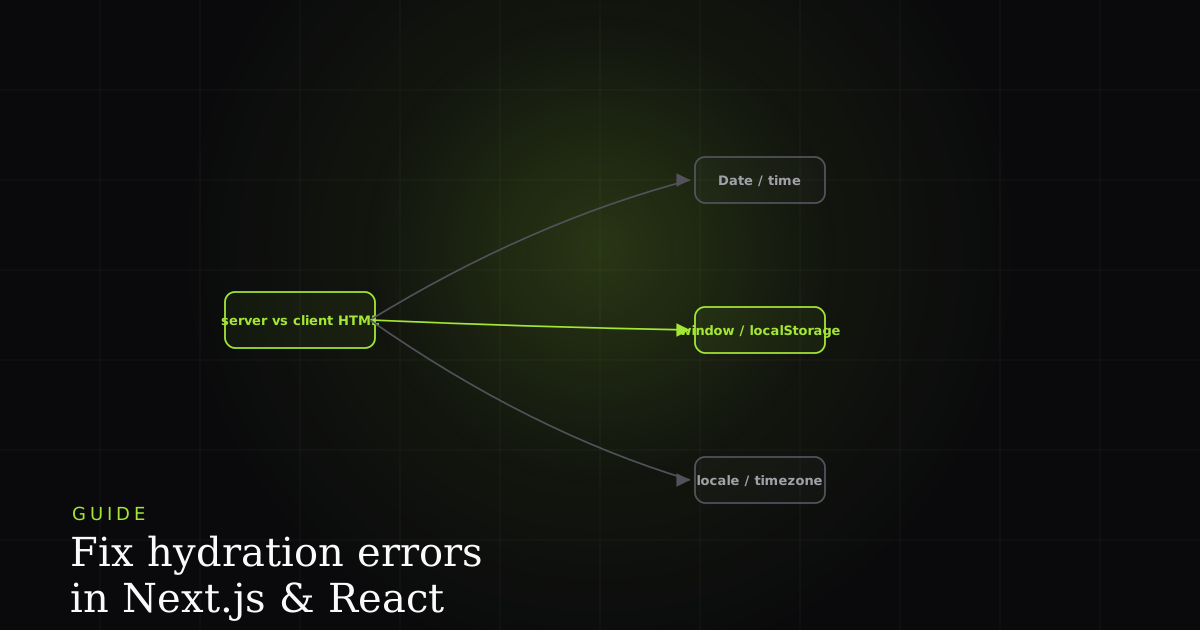
Hydration errors in Next.js and React explained: the real causes, the official fixes, a cause-to-fix matrix, and when suppressHydrationWarning is actually appropriate.
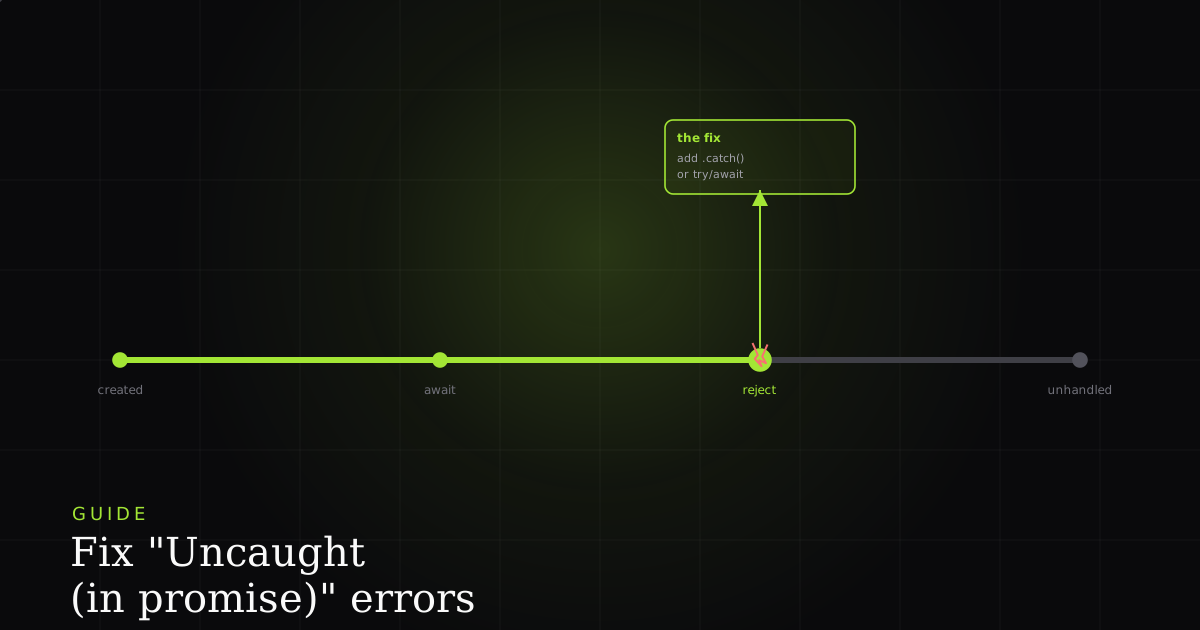
Uncaught (in promise) errors explained: what unhandled rejections mean, the common causes, and how to fix them with try/catch, .catch(), and allSettled.
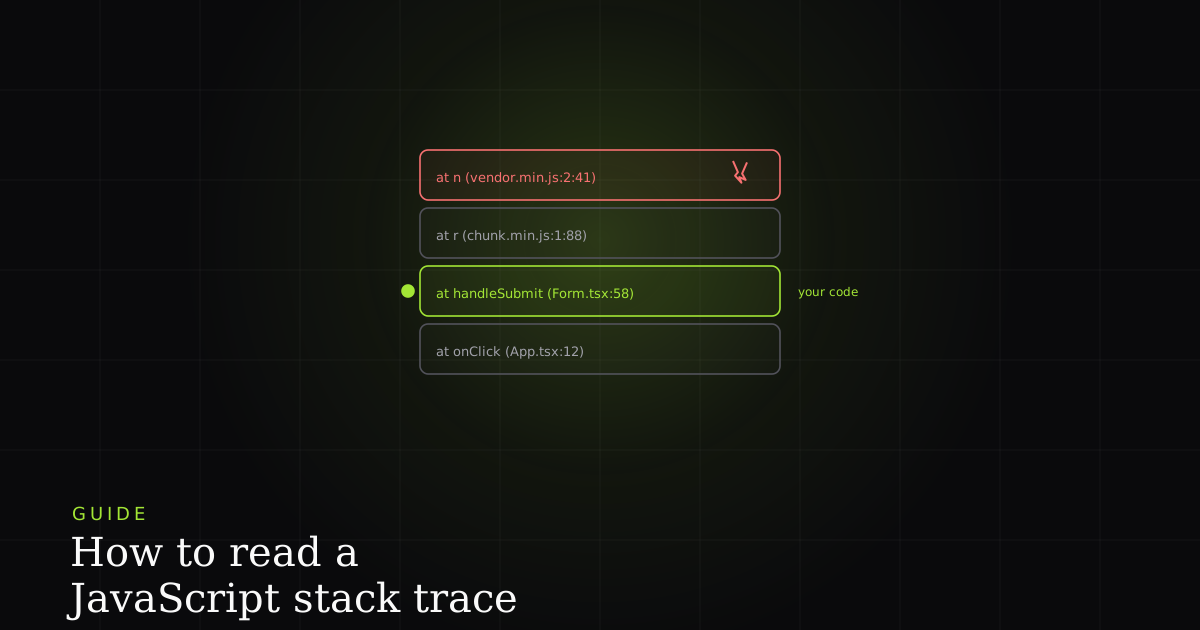
How to read a JavaScript stack trace: what each frame means, how to find the first frame in your own code, and how source maps decode minified production traces.
Learn the anatomy of a good test case aligned with ISO/IEC/IEEE 29119 and ISTQB terminology, with a fill-in template, worked examples, and common mistakes.
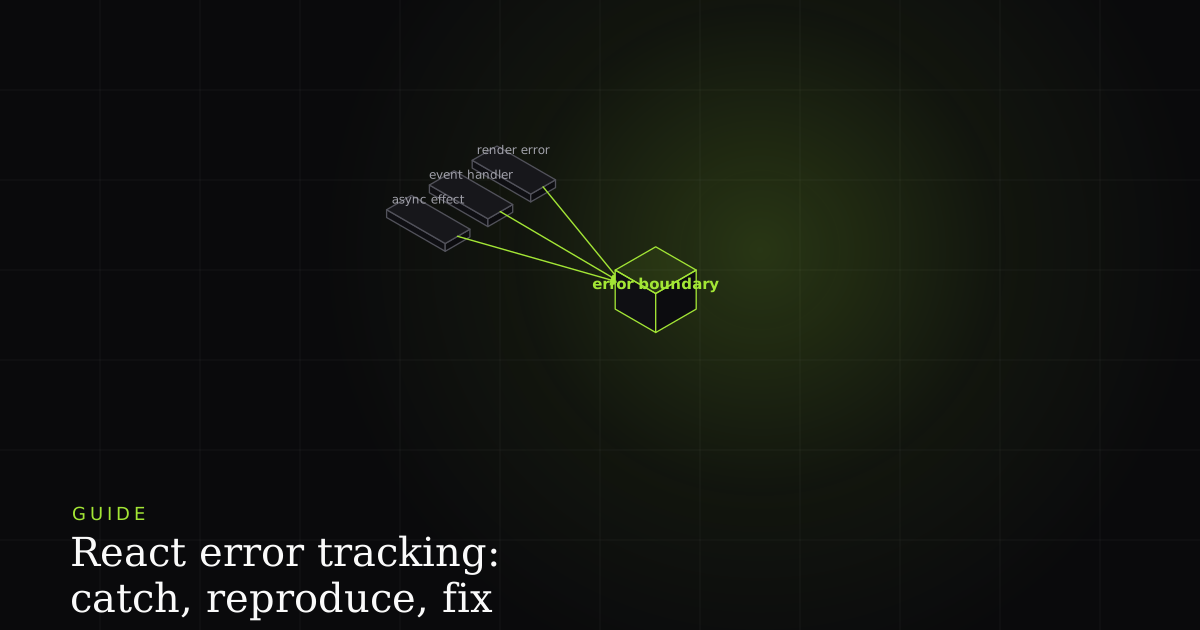
What React error boundaries catch (render errors) and miss (event handlers, async, SSR), and how to close the gap, reproduce, and fix the bug.
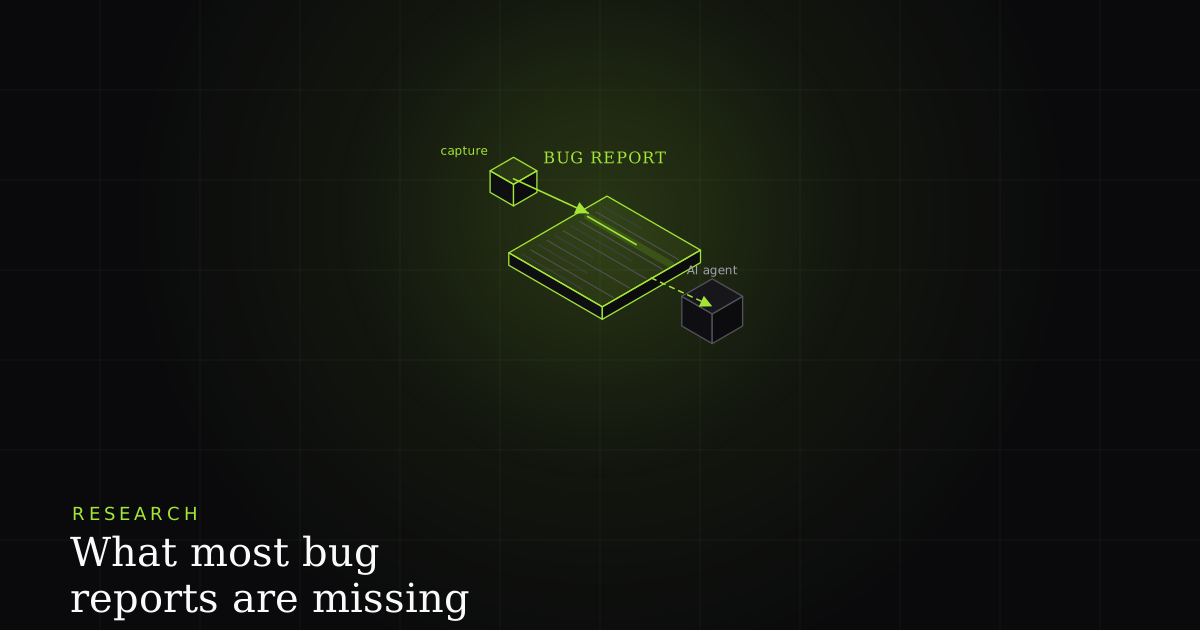
Research across Mozilla, Eclipse, and Apache shows the most valuable part of a bug report (steps to reproduce) is the one most often left out. The evidence, and the fix.
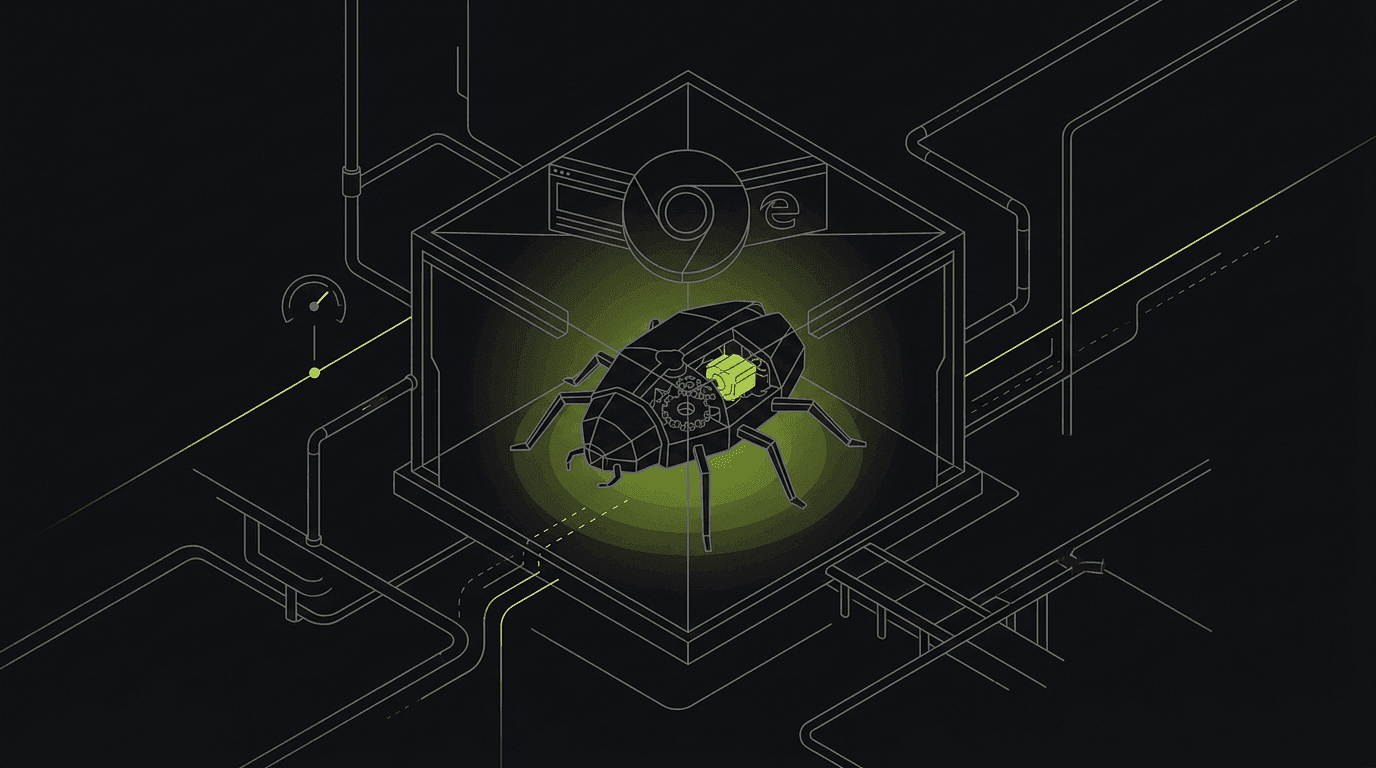
A practical 2026 browser compatibility testing guide for QA teams: which engines to test, how to build a support matrix from analytics, and manual vs automated testing.
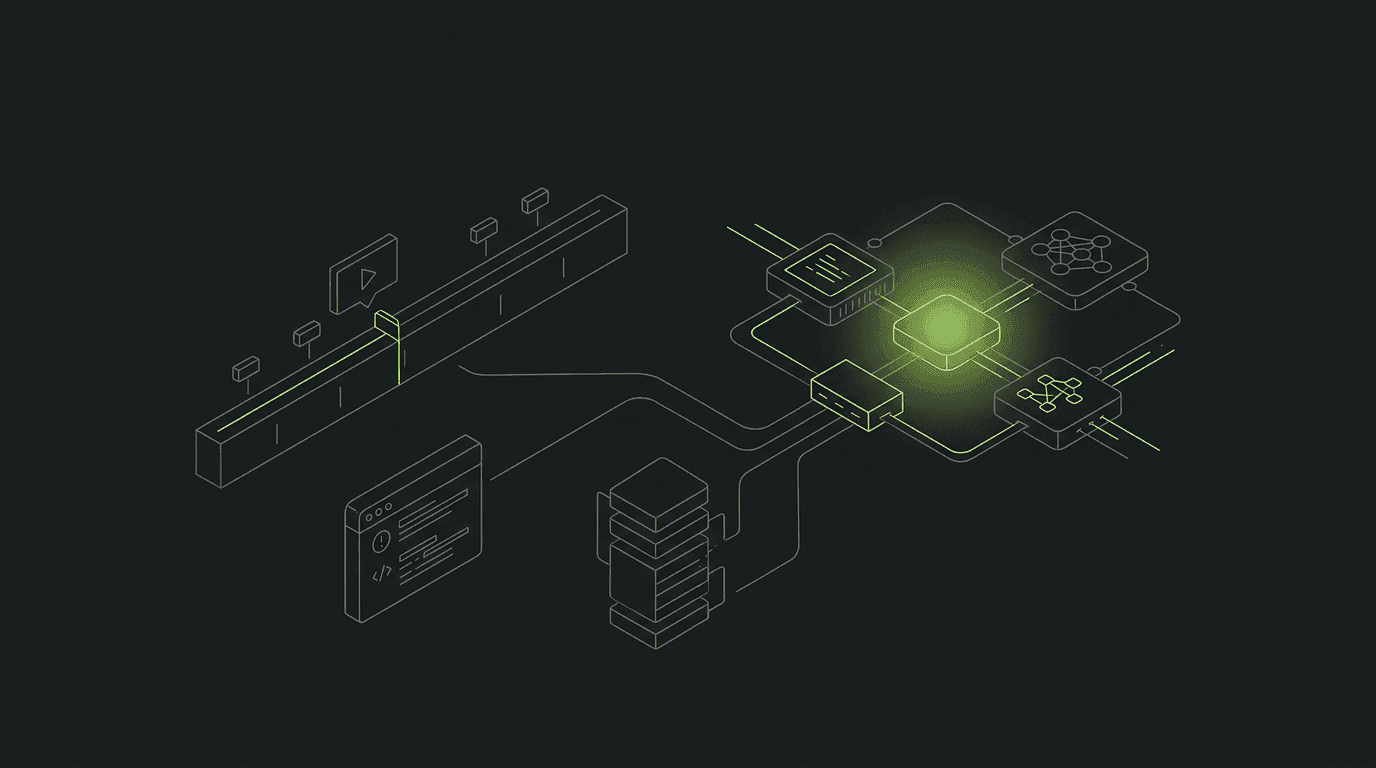
A repeatable method to debug JavaScript errors in production: source-map the stack trace, capture console plus network plus a replay, reproduce, isolate, and ship.
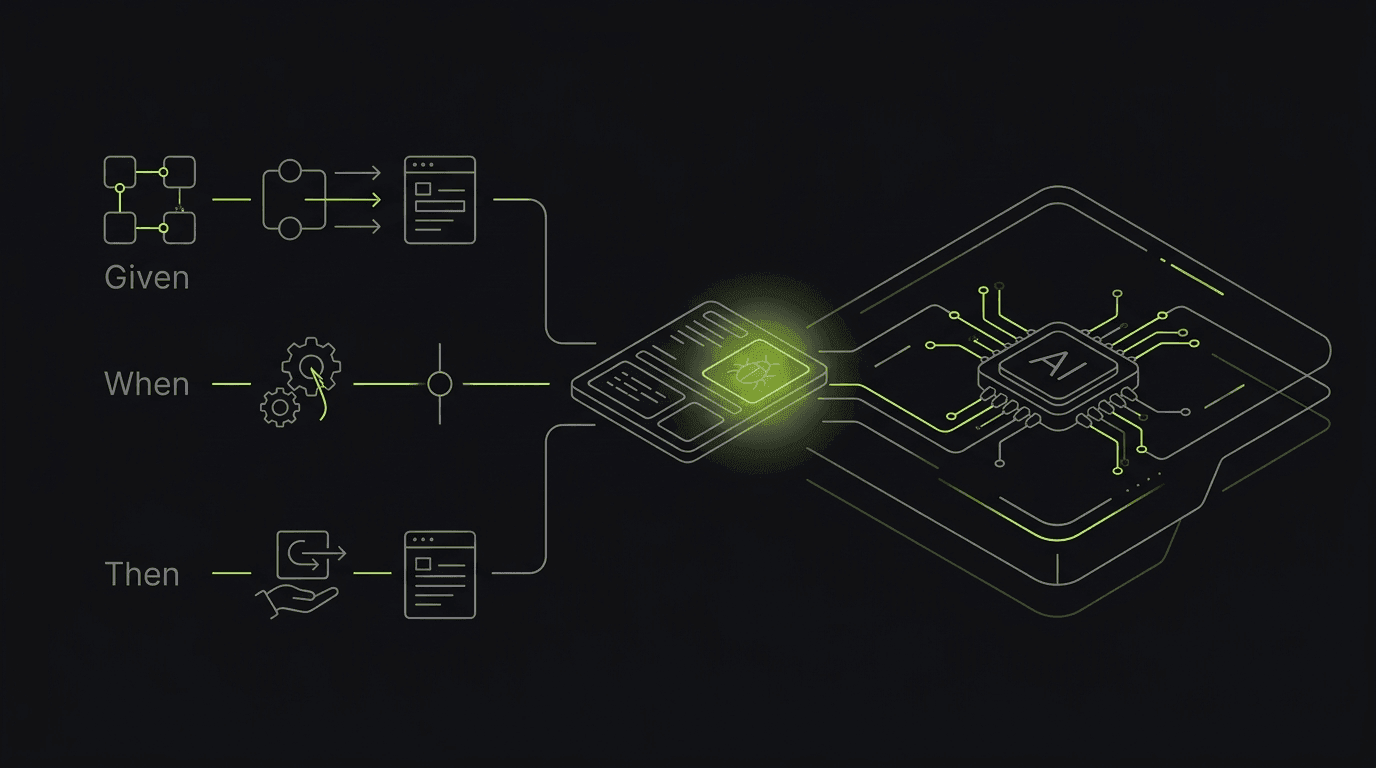
Write testable Given/When/Then acceptance criteria, cover the skipped negative and edge cases, and turn each criterion into a QA pass/fail checklist.
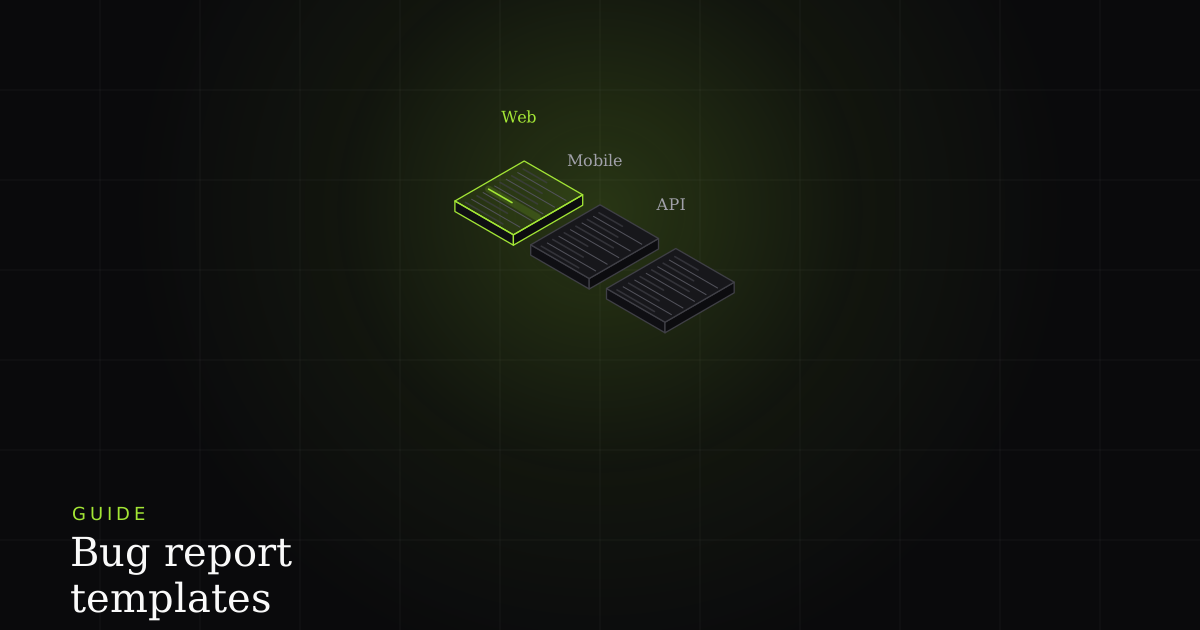
Free copy-paste bug report templates for web, mobile, and API bugs, plus the most-skipped field (steps to reproduce) and a GitHub issue form.
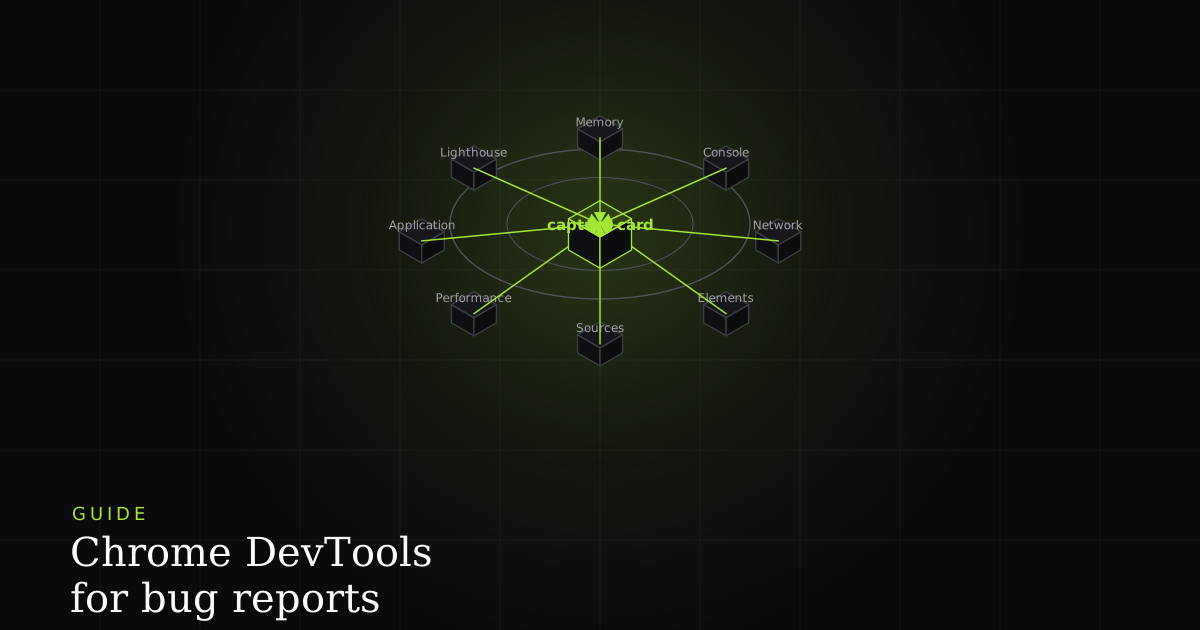
A field guide to the 8 Chrome DevTools panels that matter for bug reports, what to export from each, and how a capture bundles Console, Network, and DOM automatically.
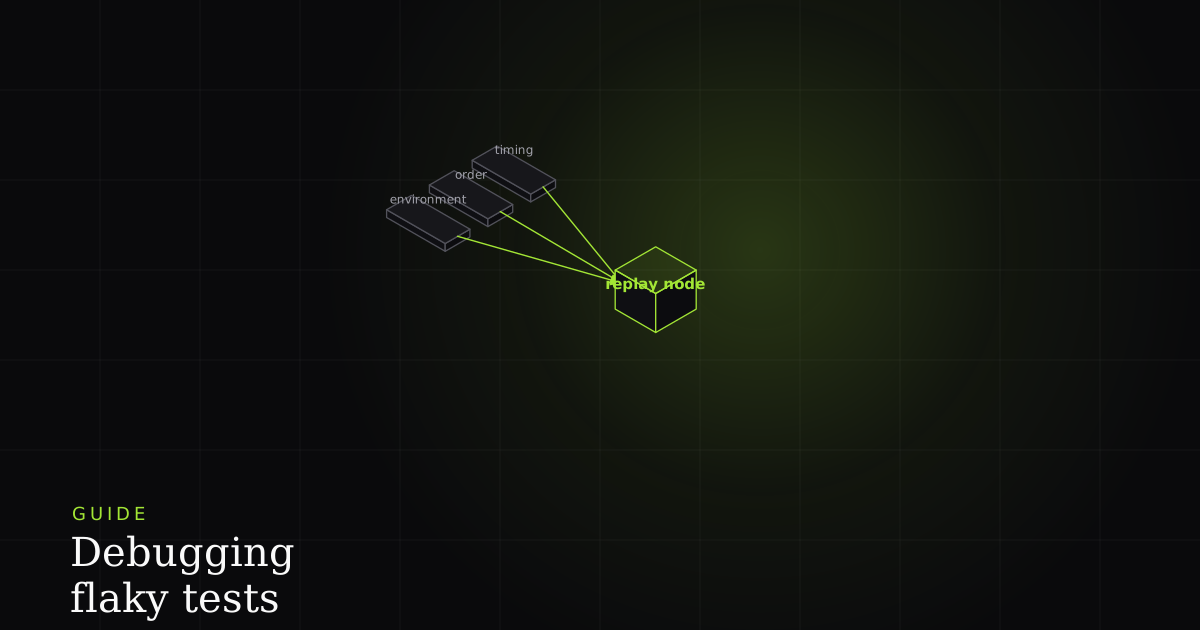
A field guide to debugging flaky tests: categorize timing, order, and environment failures, replay the failing run three ways, and fix the real cause with cited public data.
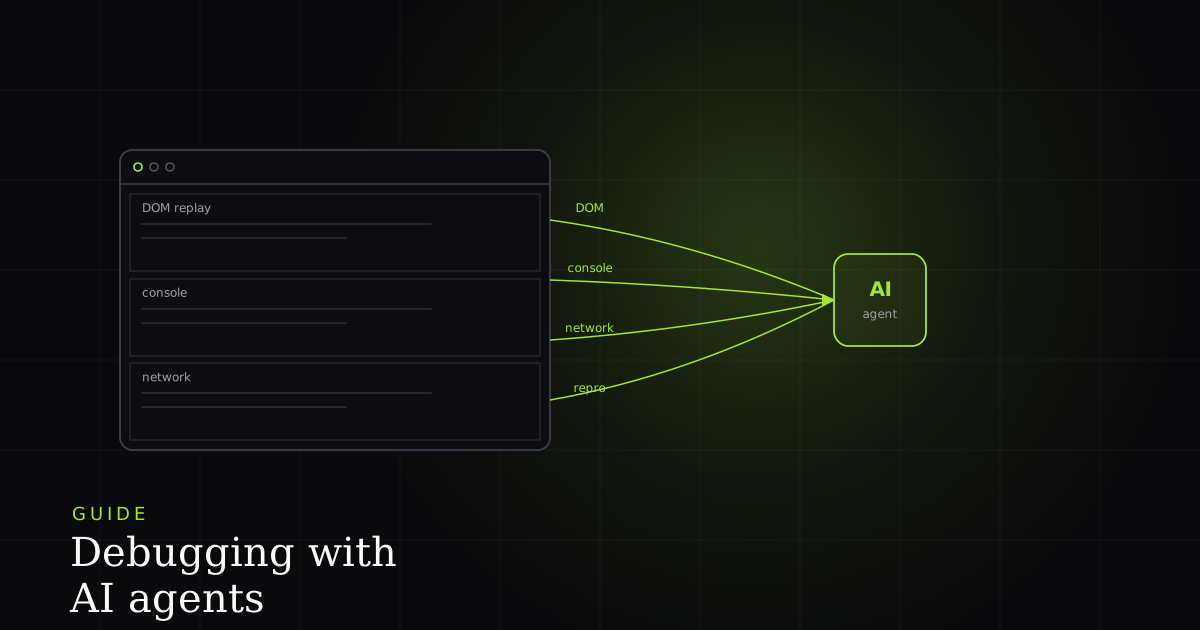
How to feed Claude Code and Cursor real bug context (replay, console, network, repro) over MCP so they fix the bug instead of guessing at a plausible patch.
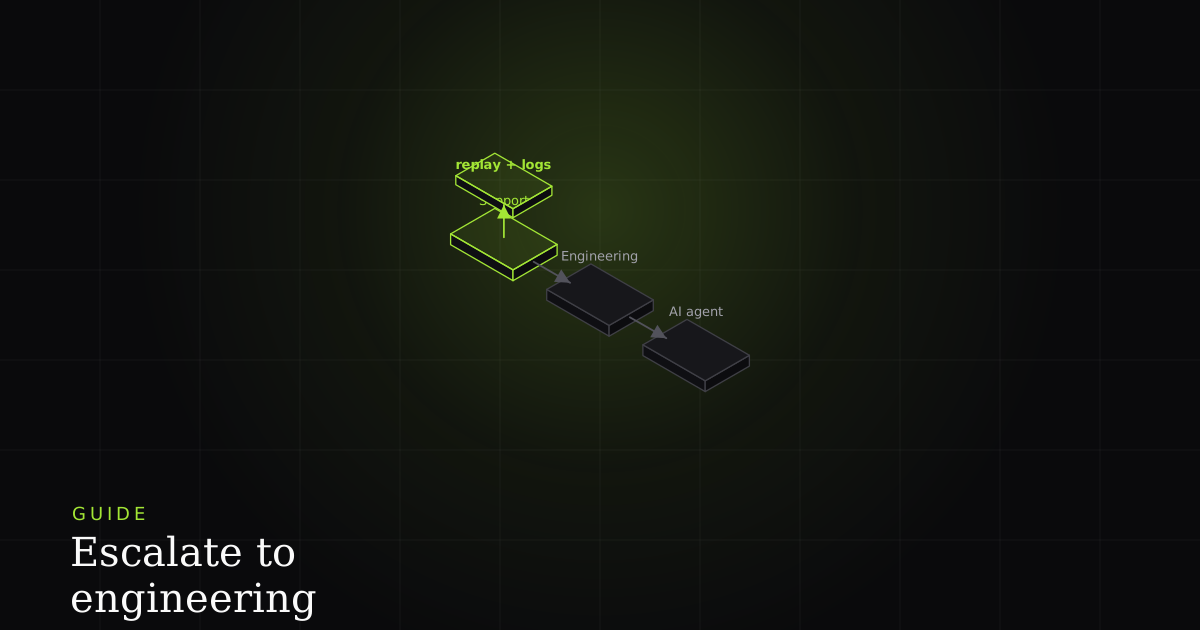
What engineering needs to fix an escalated bug fast: repro, environment, console and network, a handoff template, and zero-login Quick Capture.
Step-by-step HAR capture in Chrome, Firefox, and Edge, plus what a sanitized export strips, what it misses, and how to share one without leaking secrets.
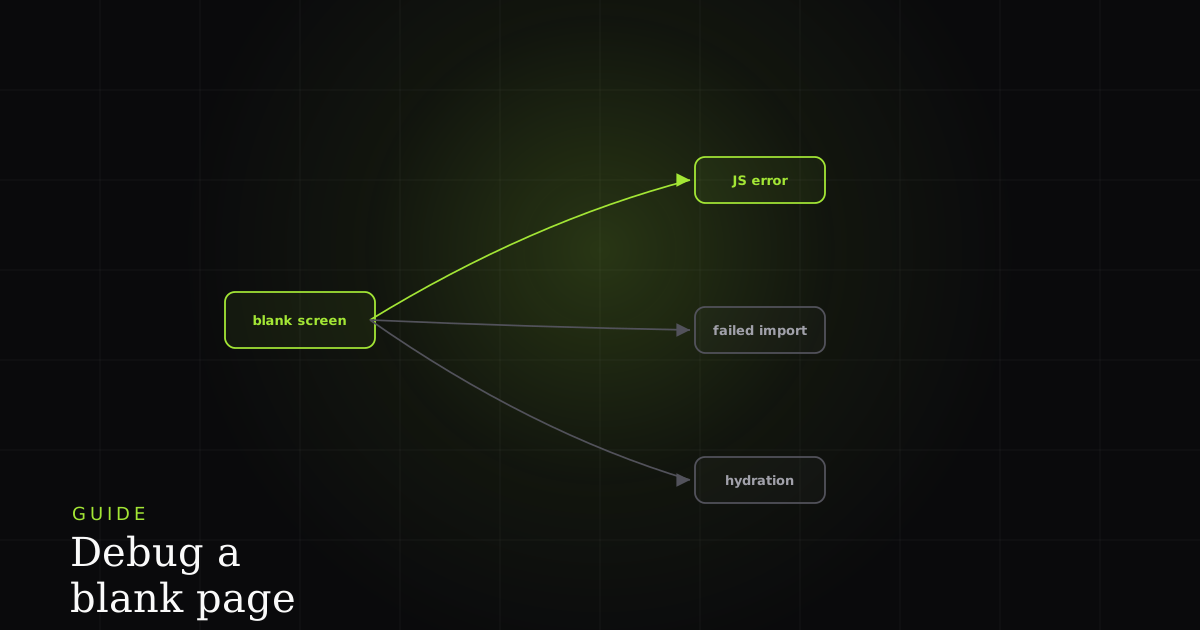
Debug a blank white page in a web app with a decision tree: check the console for the thrown error, hydration mismatch, failed bundle, or missing error boundary.
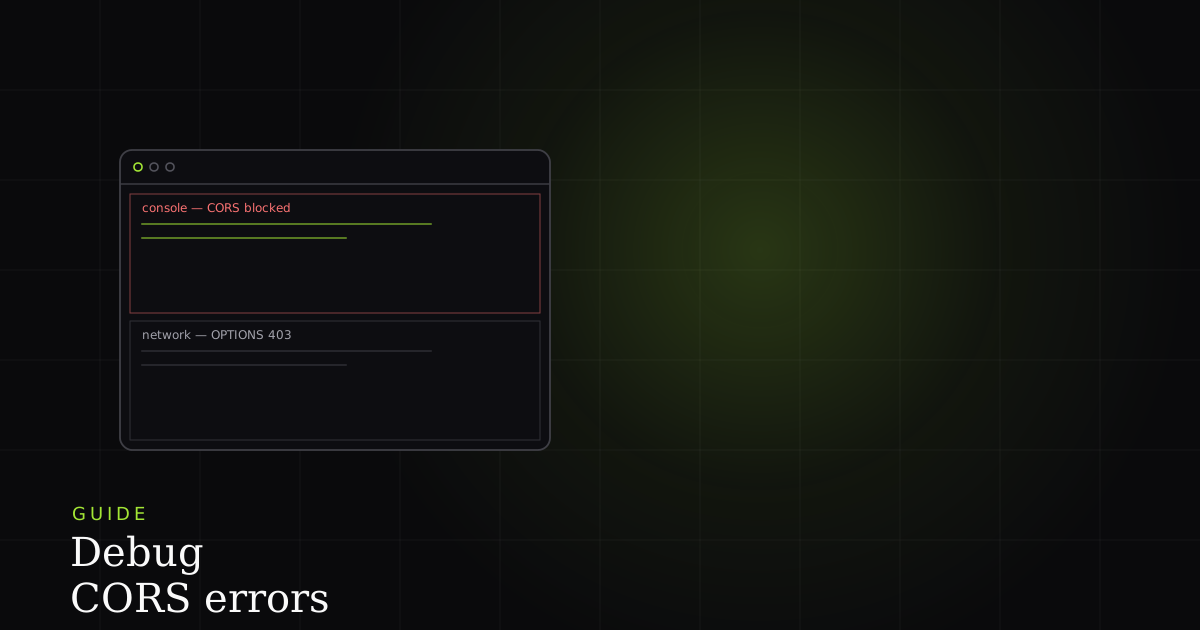
A field guide to debugging CORS errors: what the error means, when the browser sends a preflight OPTIONS, common misconfigurations, and the exact server-side fixes.
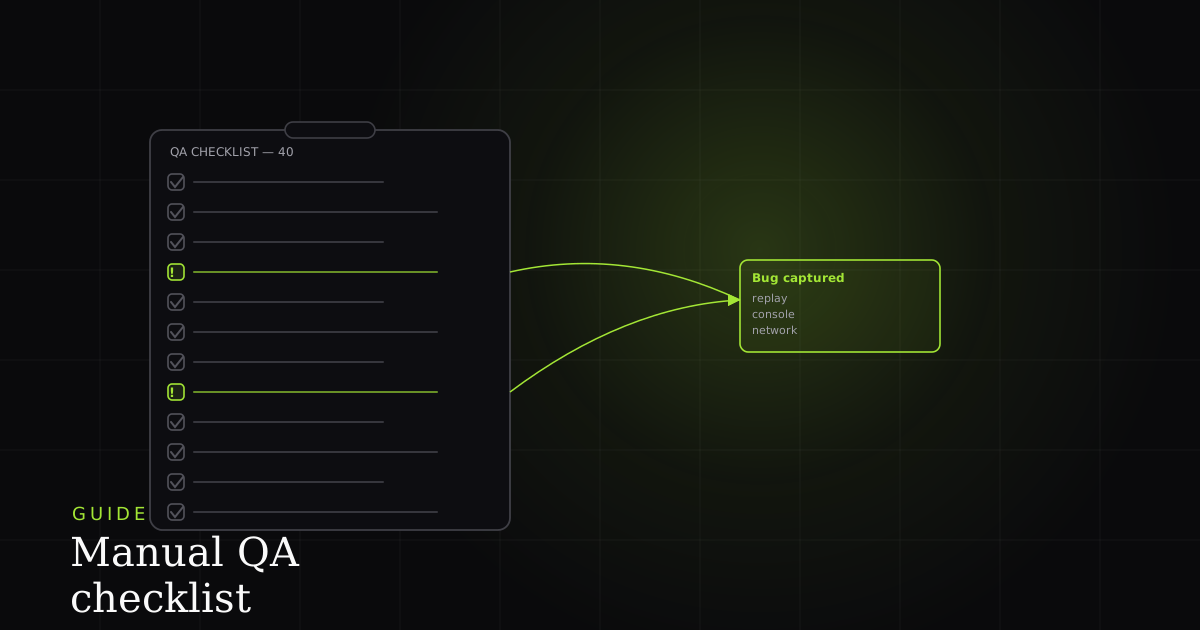
A 40-point manual QA testing checklist across functional, cross-browser, responsive, accessibility, performance, and error states, with the most-missed checks called out.
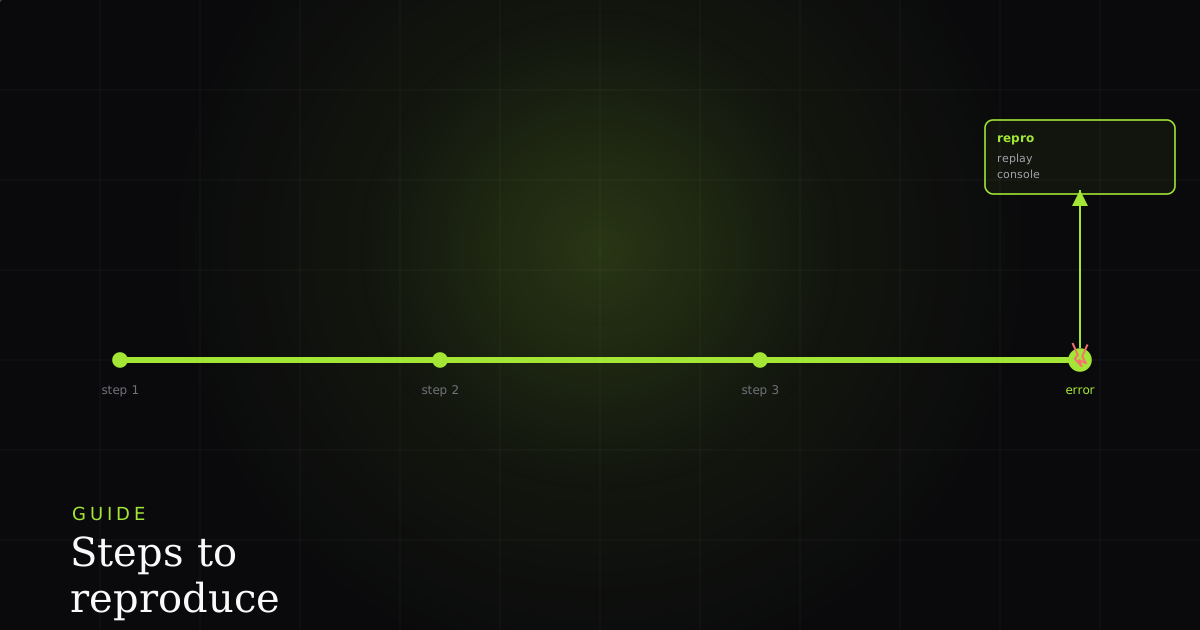
A senior-engineer guide to writing steps to reproduce that survive 'works for me': altitude, known state, expected vs actual, and AI-agent-ready repro.
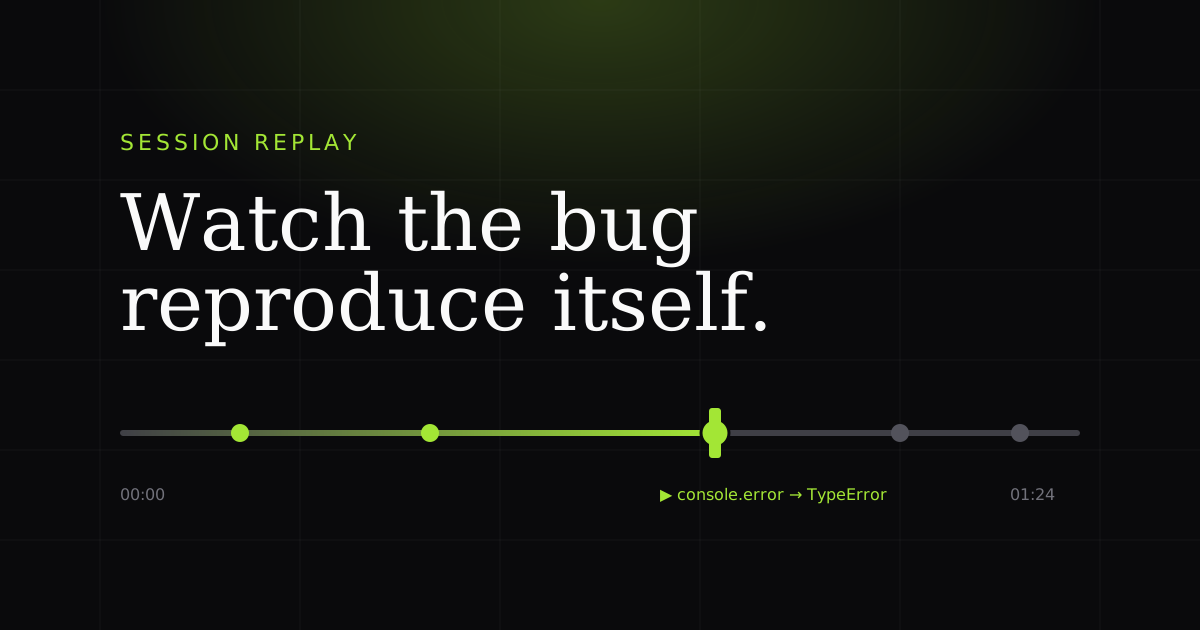
How session replay records the DOM, console logs, and network of a real session, so you can reproduce any bug by pressing play with no guessing at the steps.
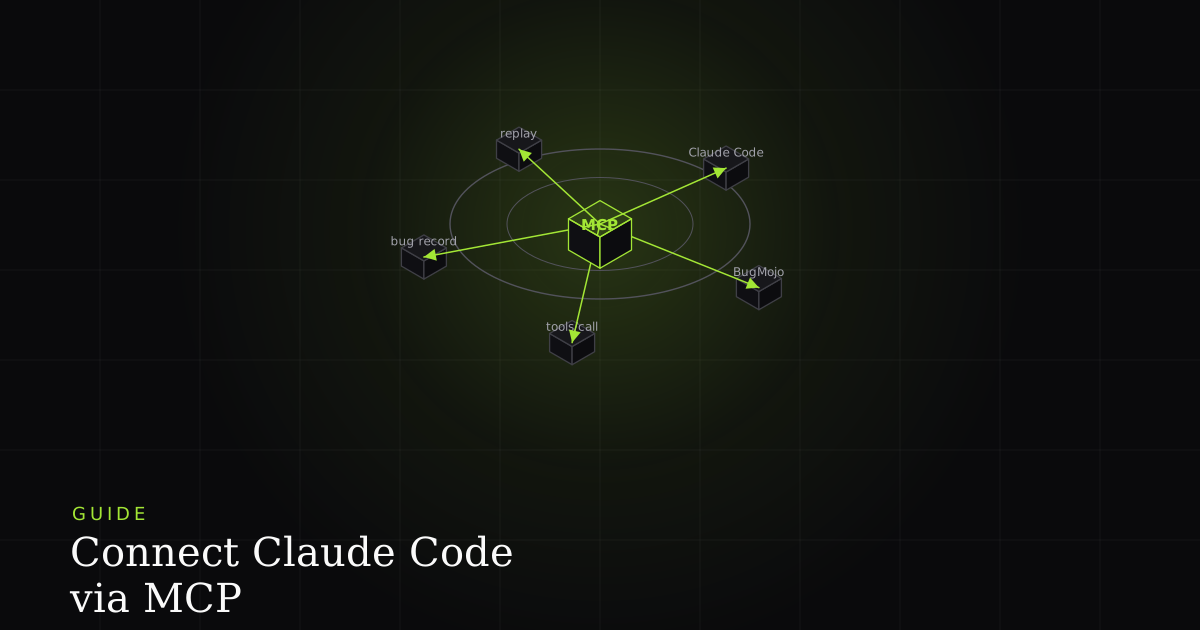
Step-by-step guide to wire Claude Code into BugMojo via the Model Context Protocol so your AI agent can read, triage, and update bugs in about 10 minutes.
A 2026 guide to bug reports that close fast: the six-field anatomy, a bad-vs-good rewrite, why reproducibility wins, and how to capture evidence.
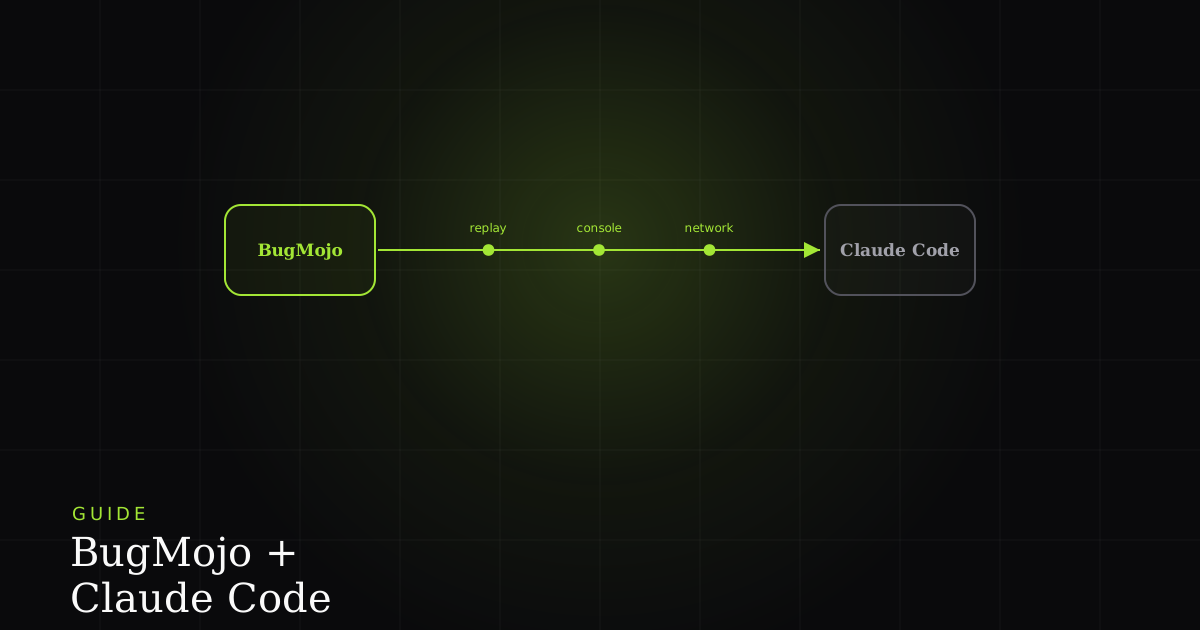
Connect Claude Code to the BugMojo MCP server so your AI agent pulls a bug's replay, console, and network context, then reproduces and fixes it in your repo.
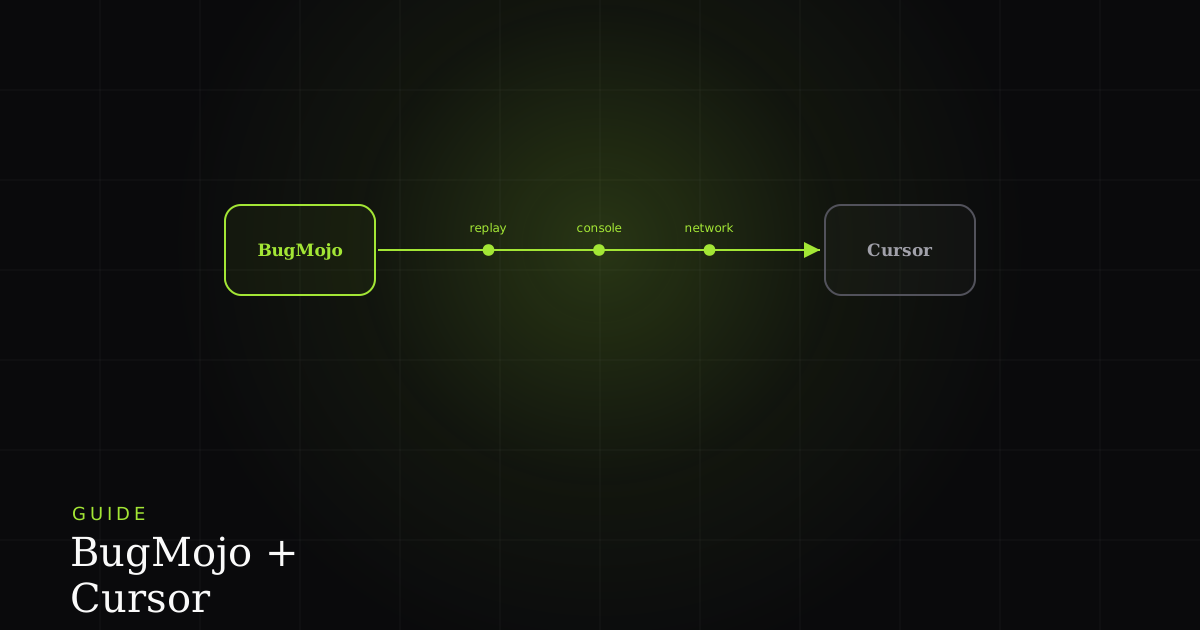
Connect BugMojo to Cursor over MCP so the editor's AI agent pulls real bug reproductions (replay, console, and network context) to reproduce and fix issues faster.
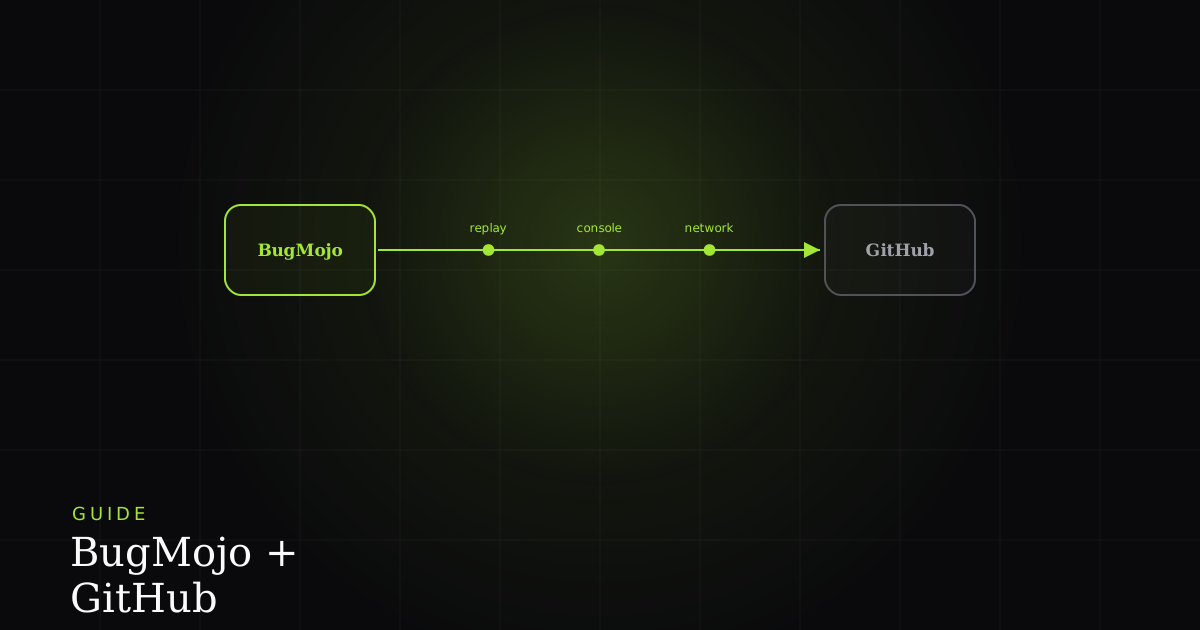
Connect BugMojo to GitHub Issues so each captured bug becomes an issue with repro steps, a replay link, console and network context, plus mapped labels and assignees.
A practical guide to sending BugMojo captures into Jira as reproducible issues: field mapping, the Create Issue REST call, auth, and troubleshooting.
Connect BugMojo to Linear so every captured bug becomes an issue with repro steps, a replay link, and console context. Setup, field mapping, and the issueCreate API.
Send BugMojo bug reports to Slack: create an incoming webhook, post a Block Kit card, route by project and severity, and fix common webhook errors.
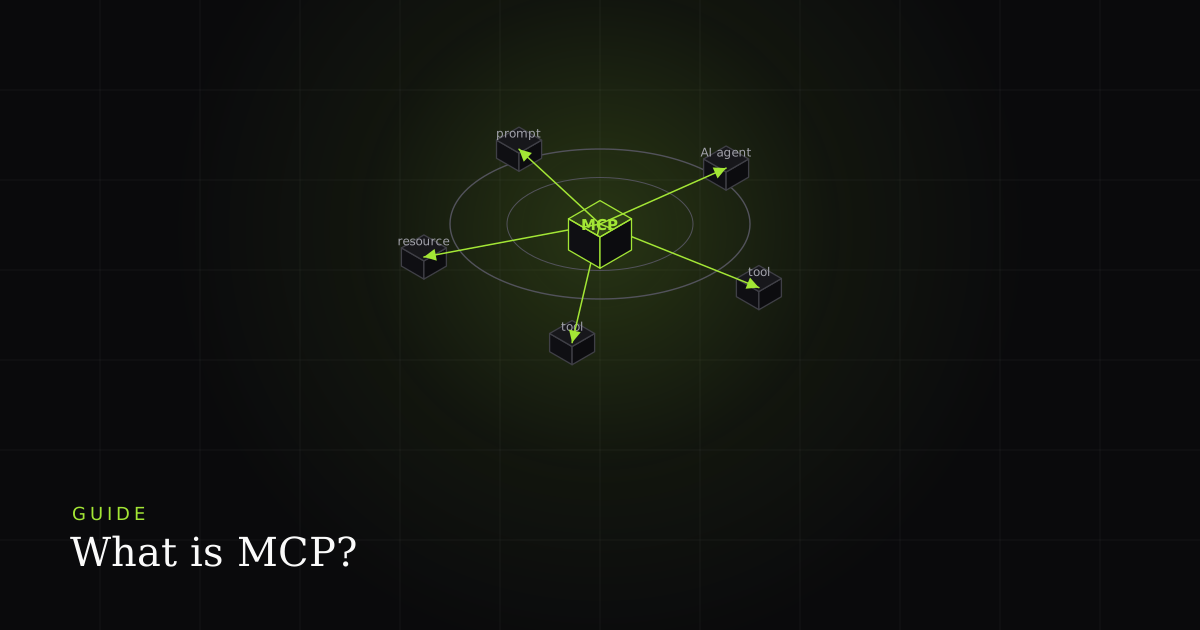
A developer's primer on the Model Context Protocol: the problem MCP solves, its host-client-server design, the three primitives, transports, and security.