Plain-English definitions for QA and observability terminology.
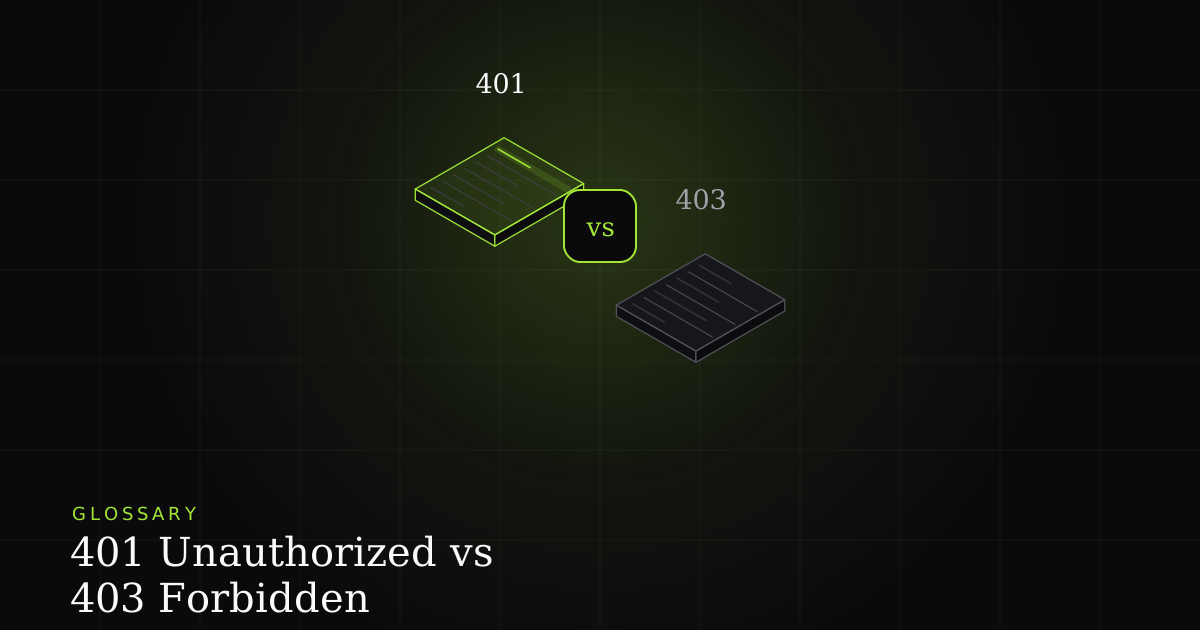
401 Unauthorized is an authentication problem; 403 Forbidden is an authorization problem. Here is the difference, real causes, and how to fix each one.
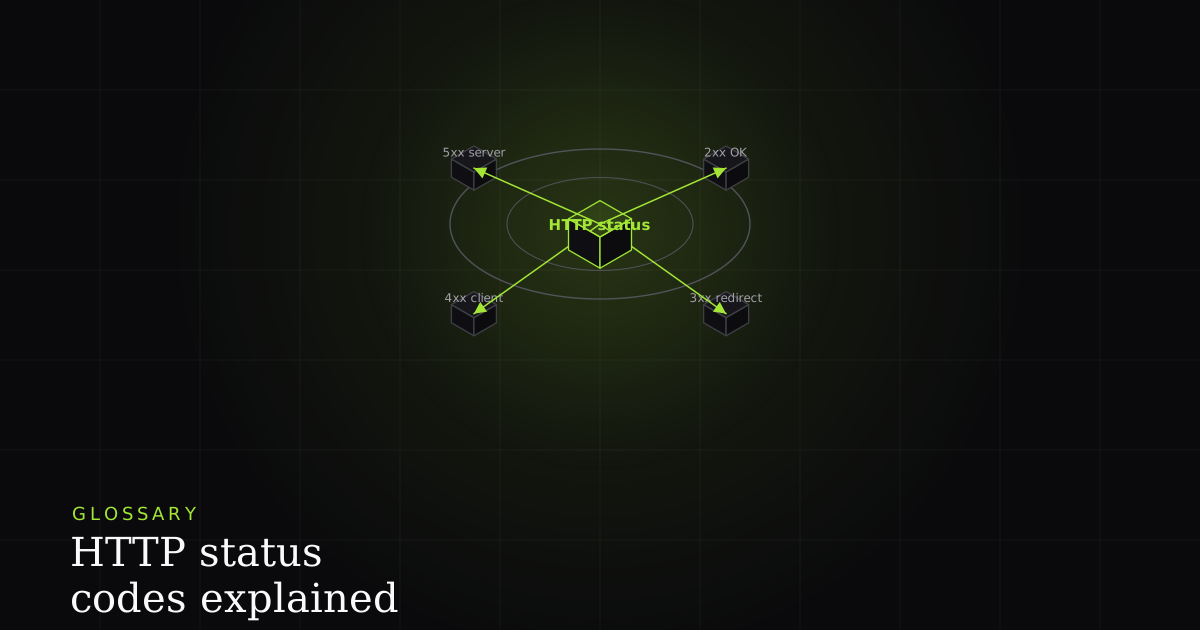
What HTTP status codes mean by class (2xx success, 3xx redirection, 4xx client errors, 5xx server errors) and the heuristic for which side to debug.
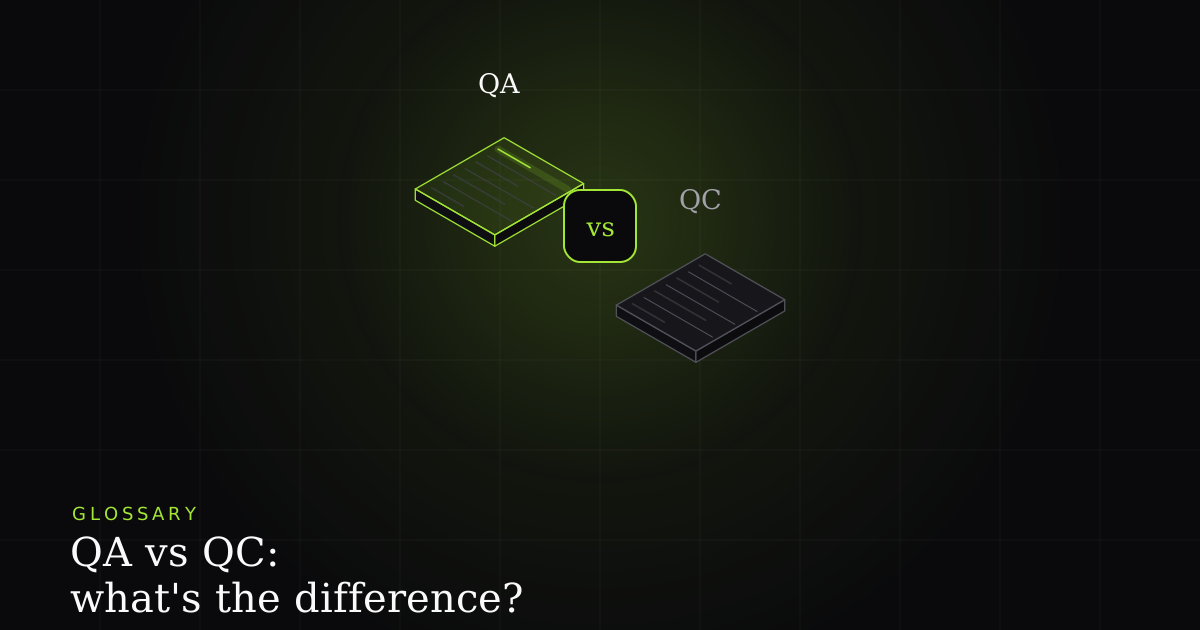
QA vs QC explained: QA is proactive process, QC is reactive product testing. Learn where testing fits and why you need both.
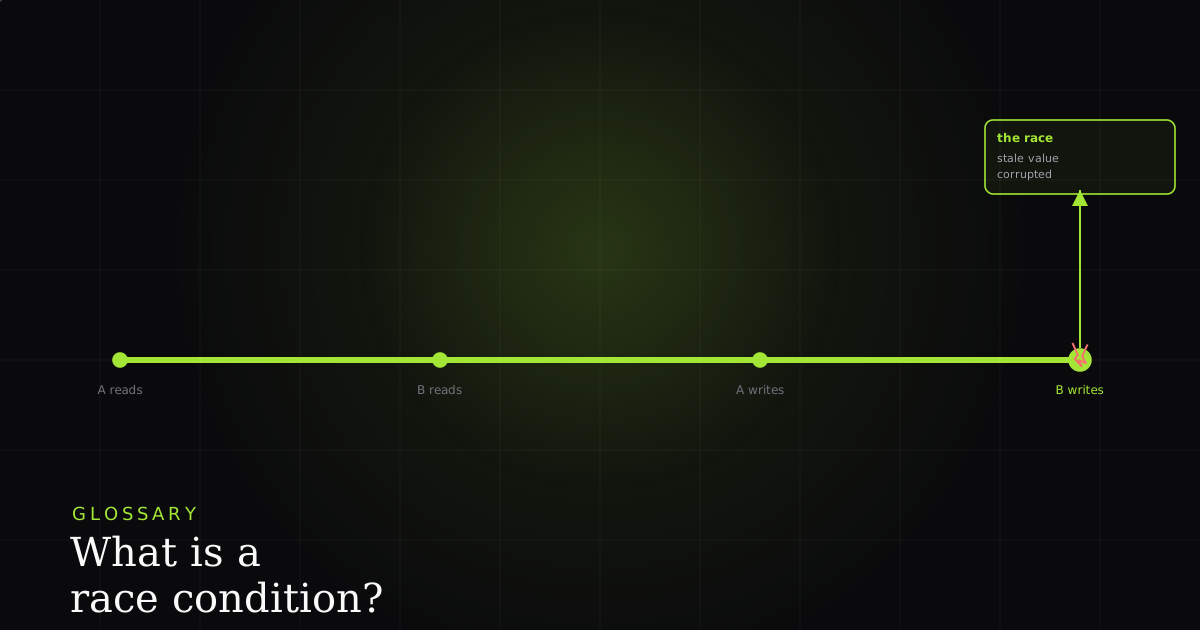
A race condition is a bug where the result depends on the timing of two operations touching shared state. Examples, why they flake, and how to fix.
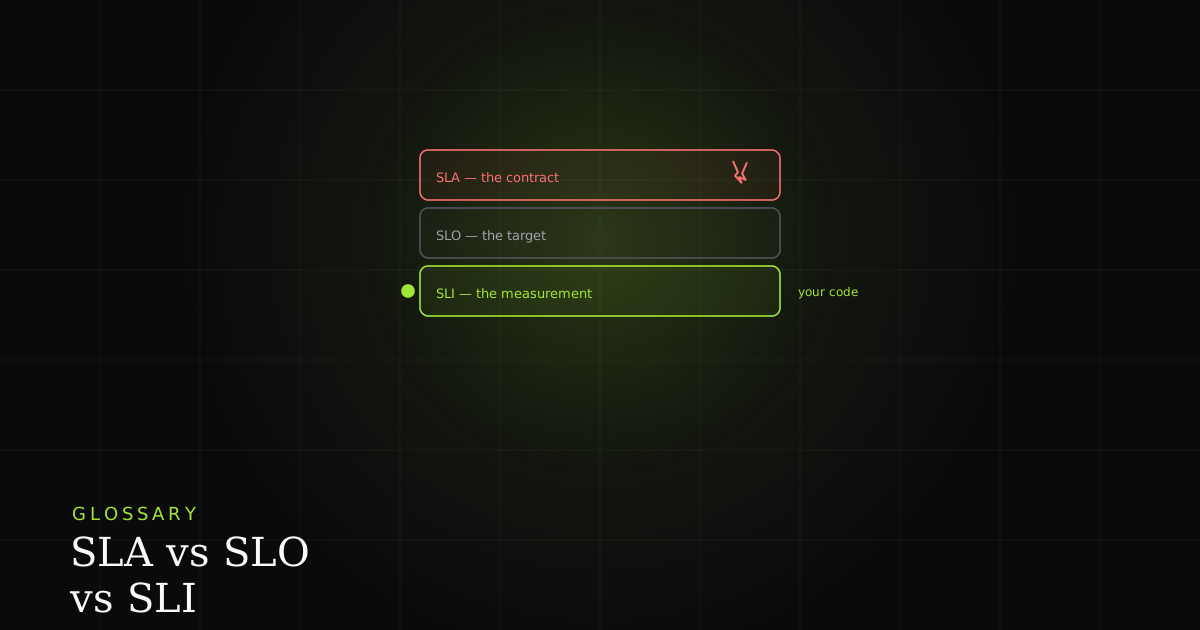
SLI vs SLO vs SLA explained: an SLI measures, an SLO is the target, an SLA is the contract with consequences. Plus how to choose good ones.
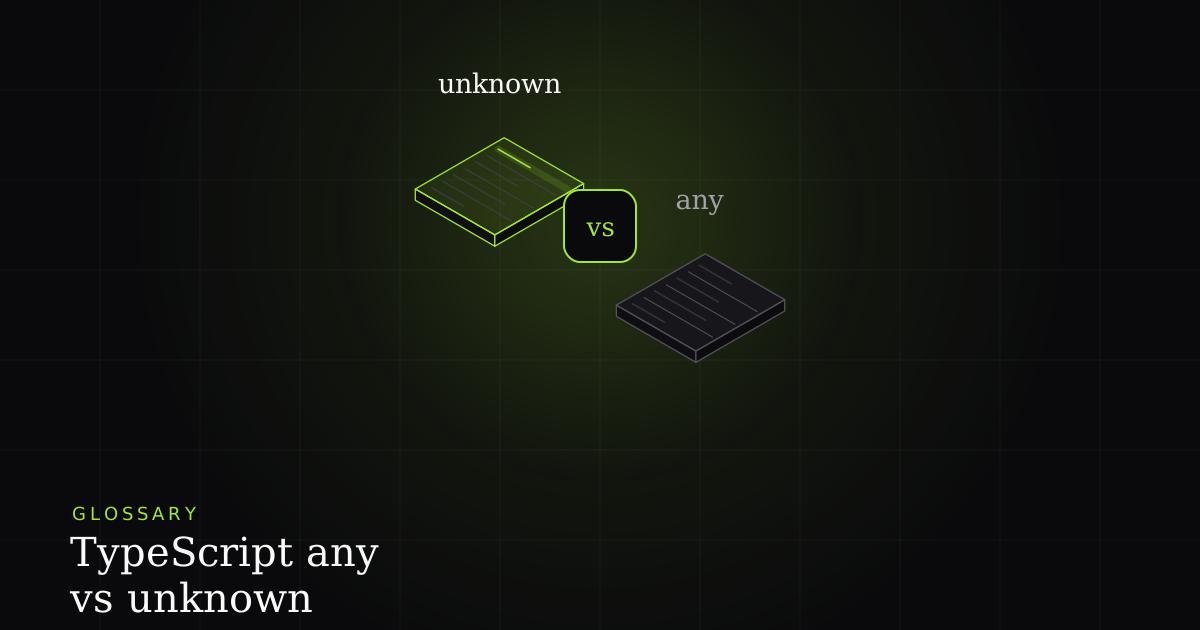
TypeScript any vs unknown: both are top types, but any disables type checking while unknown forces you to narrow before use. When to use each, with examples.
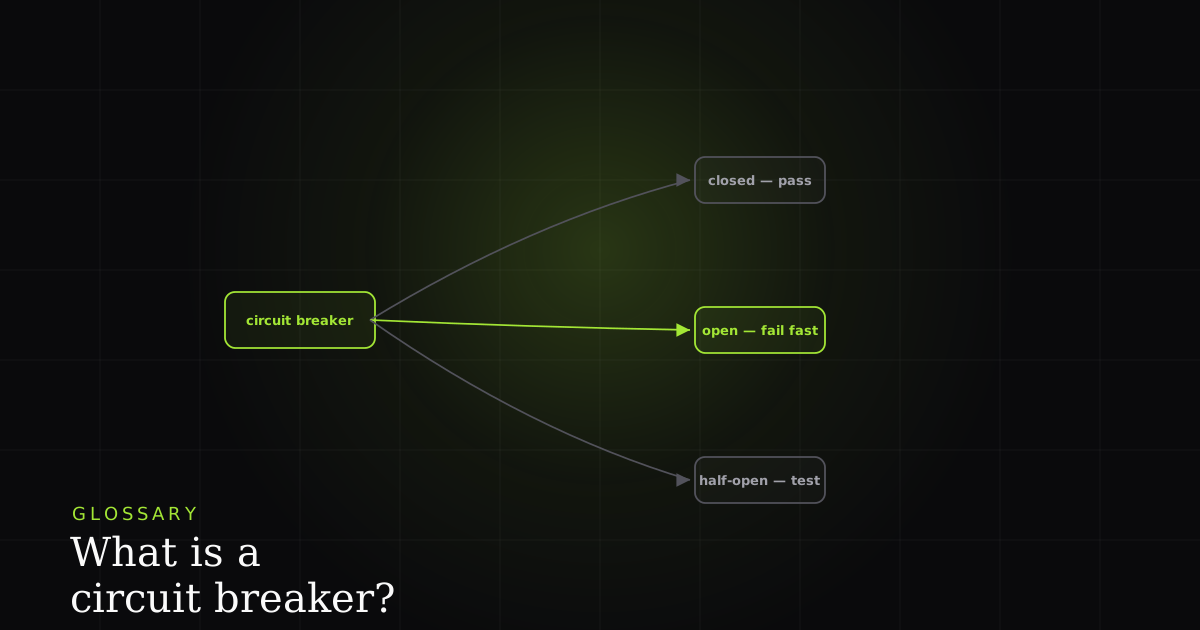
The circuit breaker pattern stops an app from repeatedly calling a failing dependency: it trips after too many failures, fails fast, and prevents cascading outages.
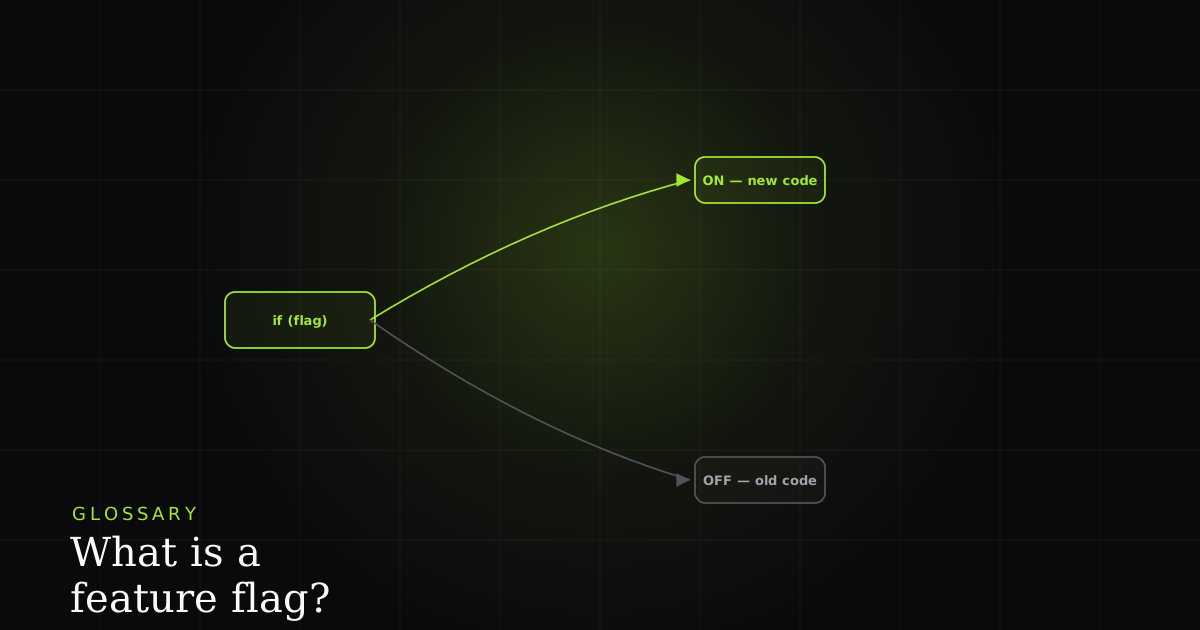
What a feature flag is, how toggles decouple deploy from release, the four flag types, canary rollouts and kill switches, and why flags cause bugs.
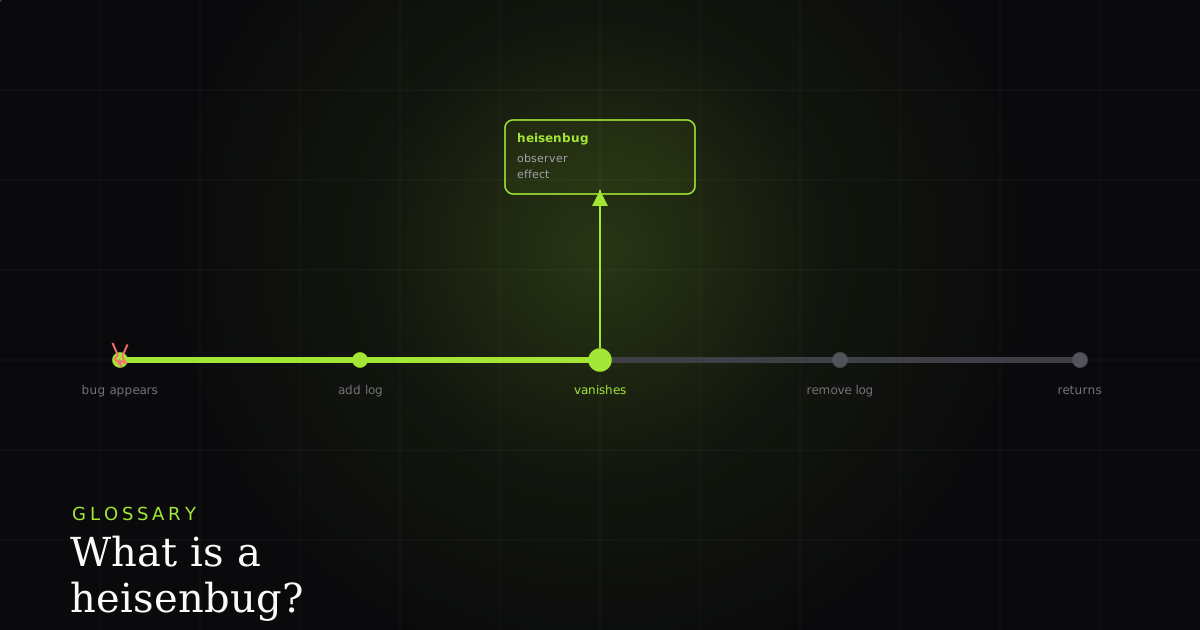
A heisenbug changes behavior or vanishes when you observe it. Here is why it happens, the mechanisms behind it, and how to catch one anyway.
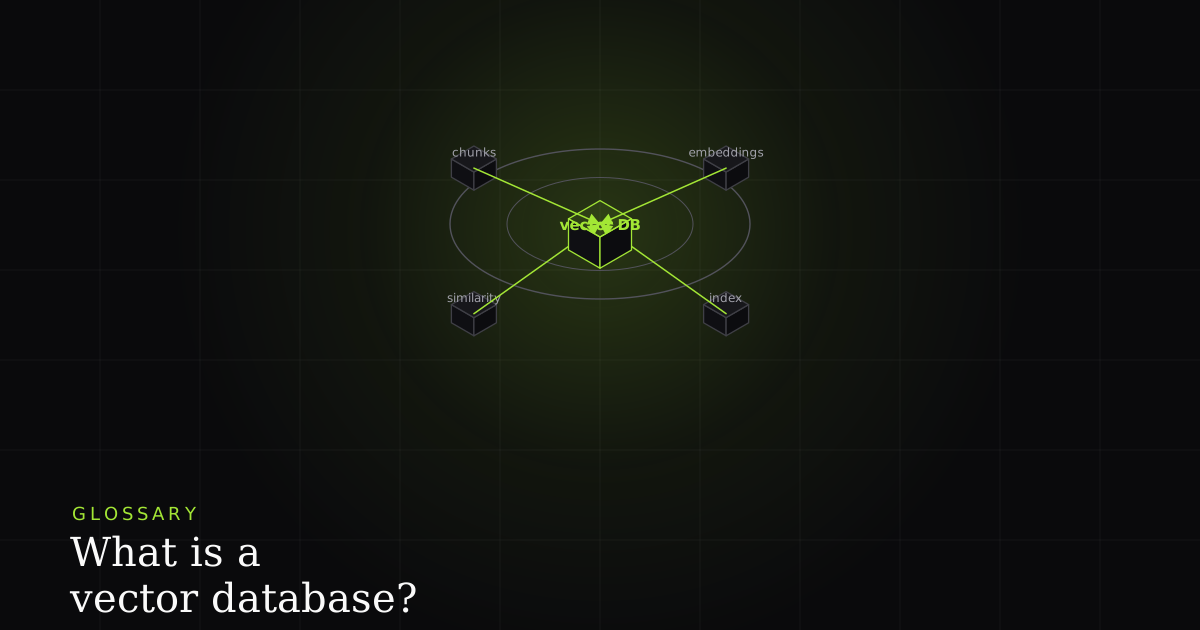
A vector database stores data as embeddings and retrieves by meaning via nearest-neighbor search. How it works, why it powers RAG, and when you need one.
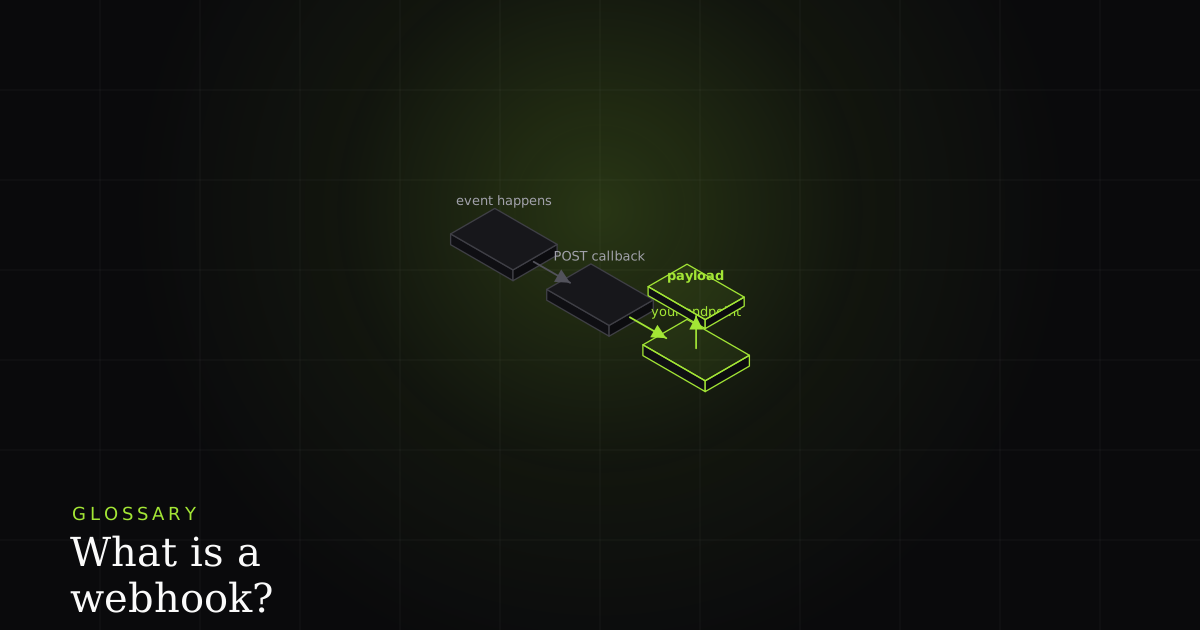
What a webhook is, how the register-event-POST-acknowledge flow works, webhooks vs APIs vs WebSockets, and the retry, signature, and idempotency gotchas.
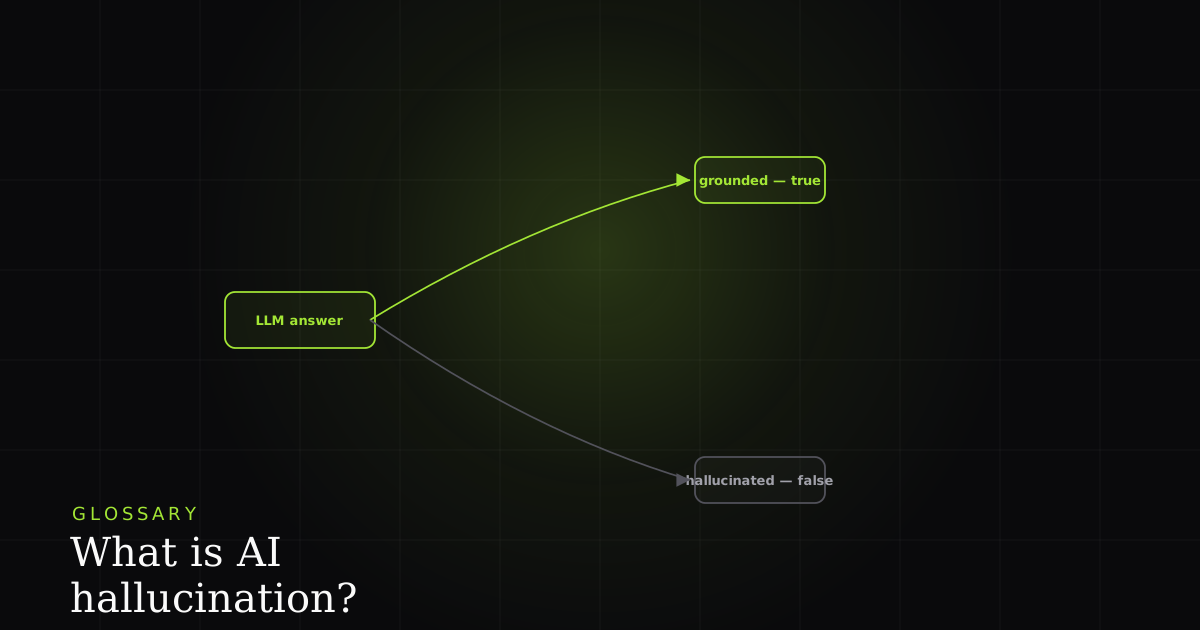
What an AI hallucination is, why LLMs make things up, the two types developers hit, and how RAG, tools, and grounding reduce the risk in code.
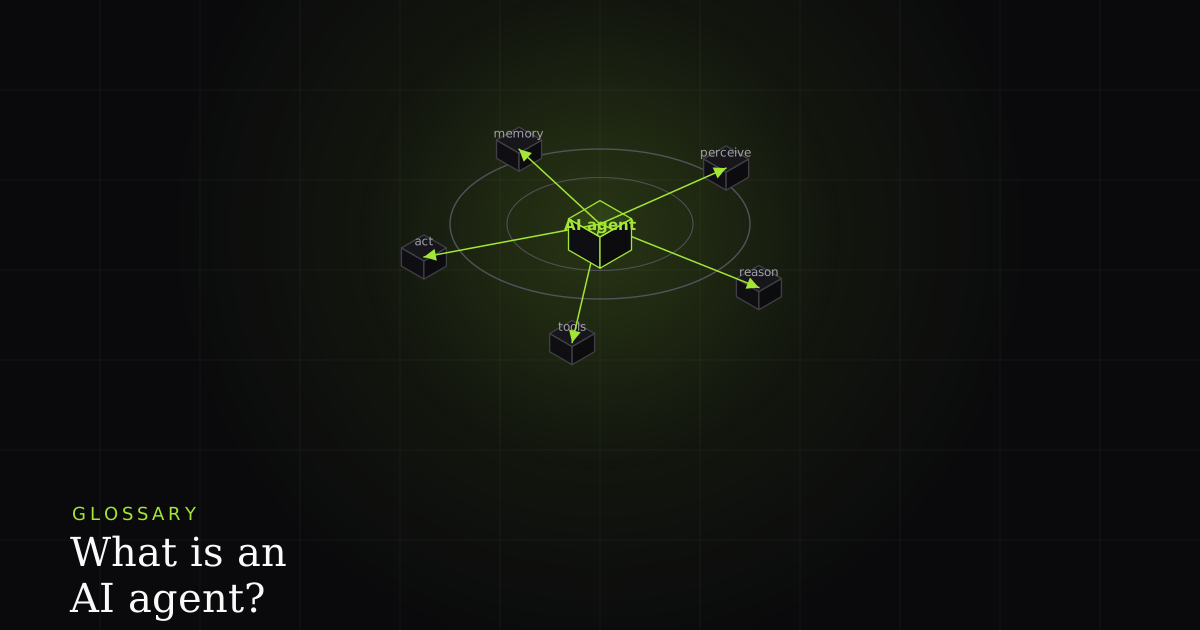
An AI agent is an LLM-based system that pursues a goal by looping (reasoning, calling tools, observing results, and deciding the next step), not one-shot output.
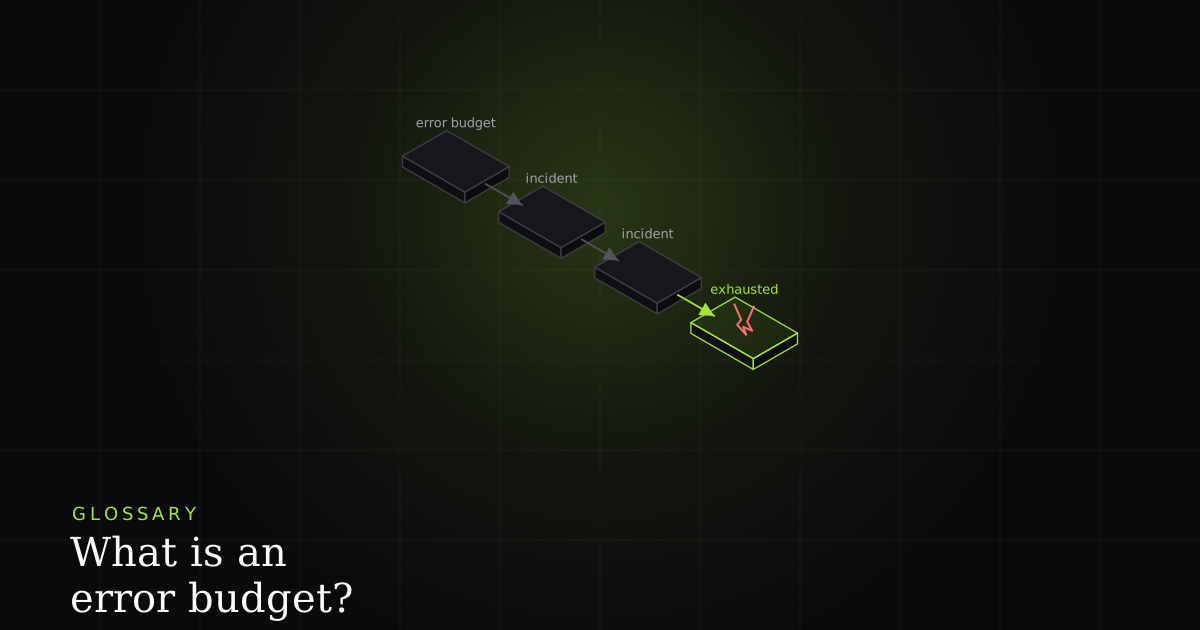
An error budget is the unreliability you are allowed: 100% minus your SLO. How it is calculated, consumed, and enforced via policy.
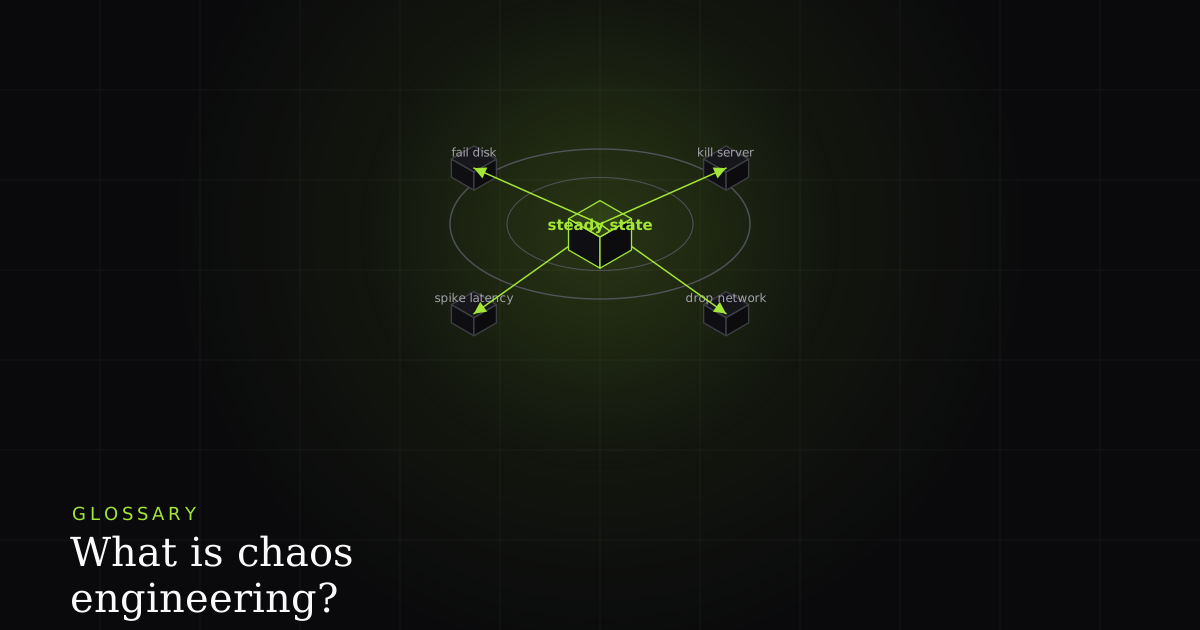
What chaos engineering is: deliberately injecting failures to find weaknesses before outages. The scientific method, best practices, and tools.
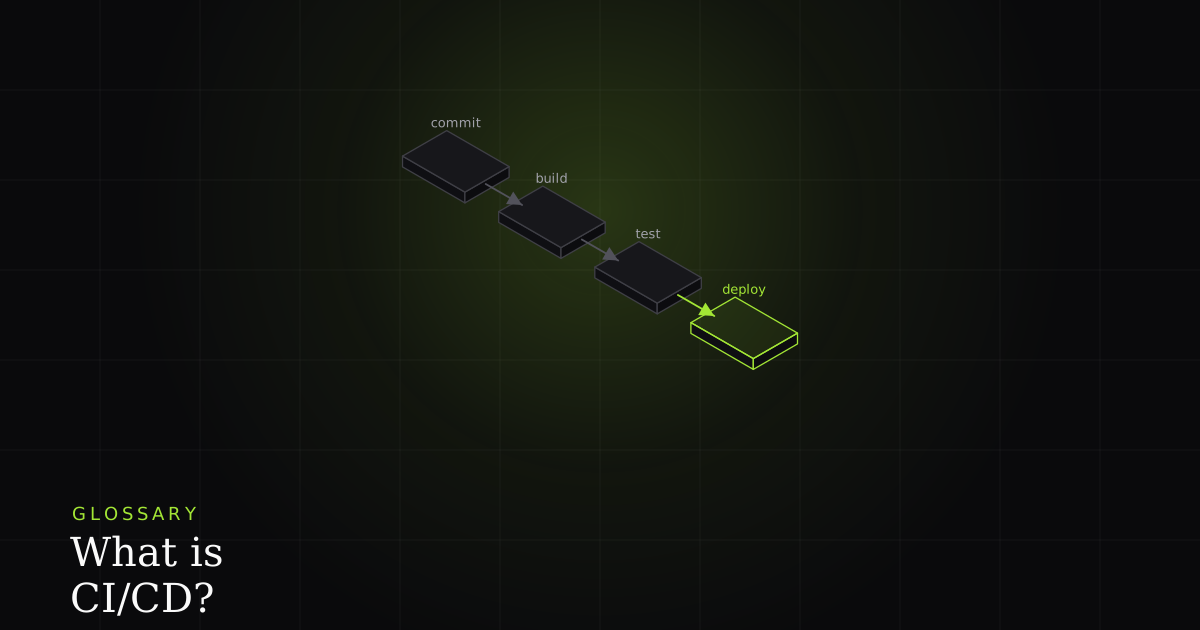
What CI/CD means: continuous integration builds and tests every change, delivery and deployment ship the validated result. Pipeline stages and why it matters.
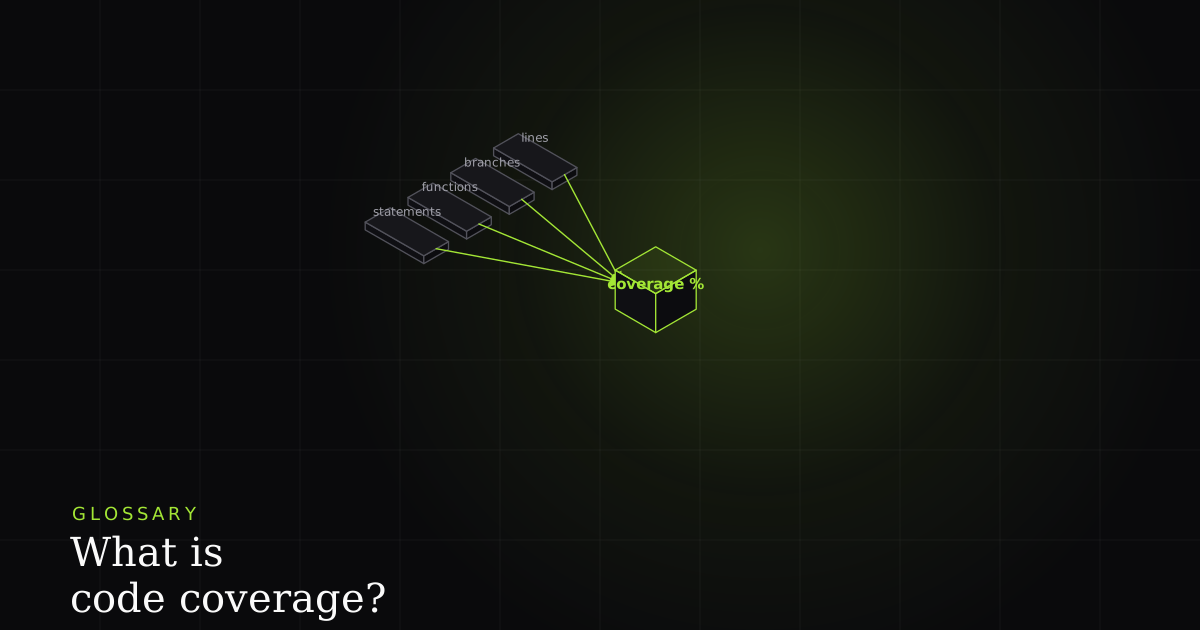
What code coverage is, the types (line, branch, function, condition), why branch beats line, and why 100% coverage isn't the goal: it measures what's executed, not verified.
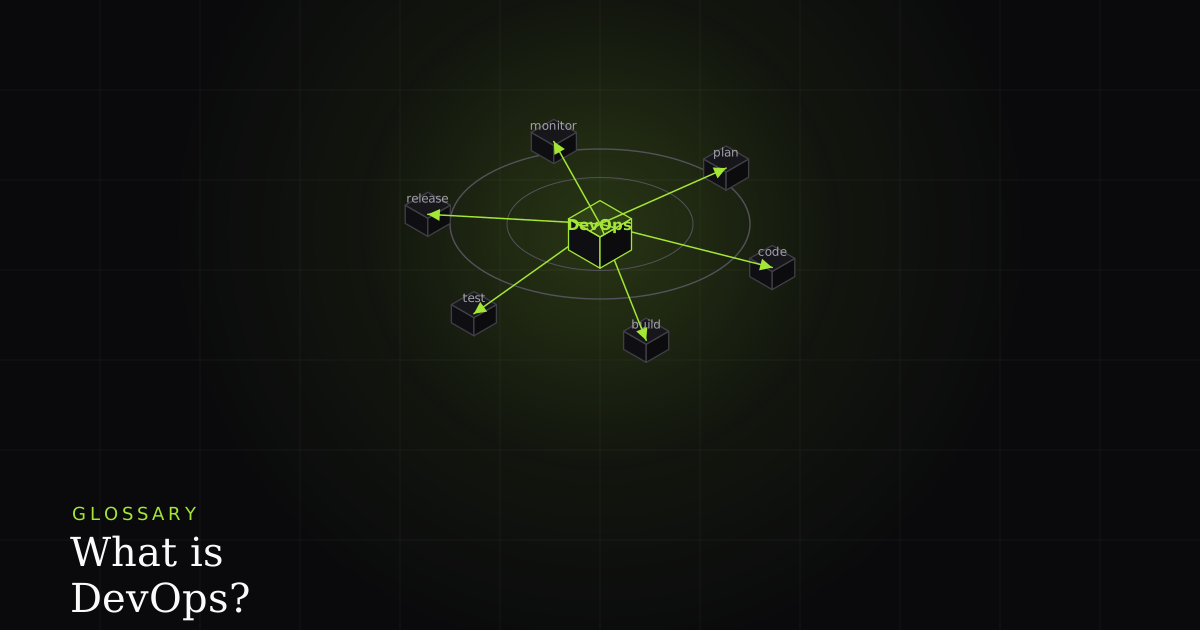
What DevOps is, the lifecycle loop, core practices like CI/CD and IaC, the CALMS pillars, DevOps vs SRE, and why it is a culture first, not a role.
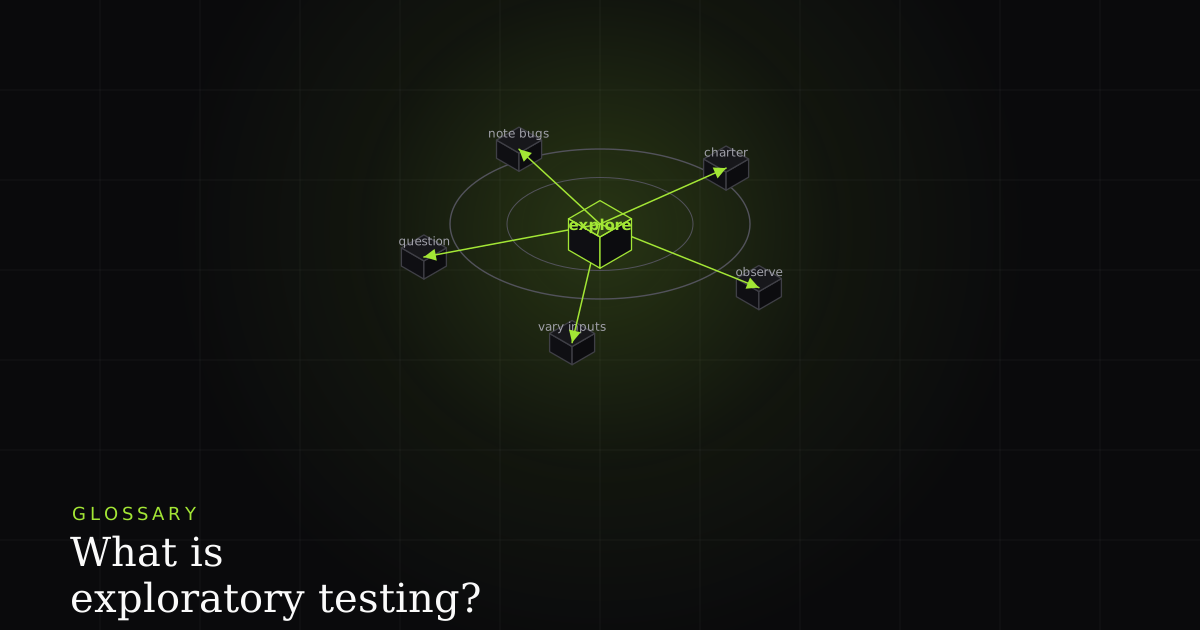
What exploratory testing is, how session-based charters work, when to use it versus scripted testing, and why improvised bug-hunting paths are hard to reproduce.
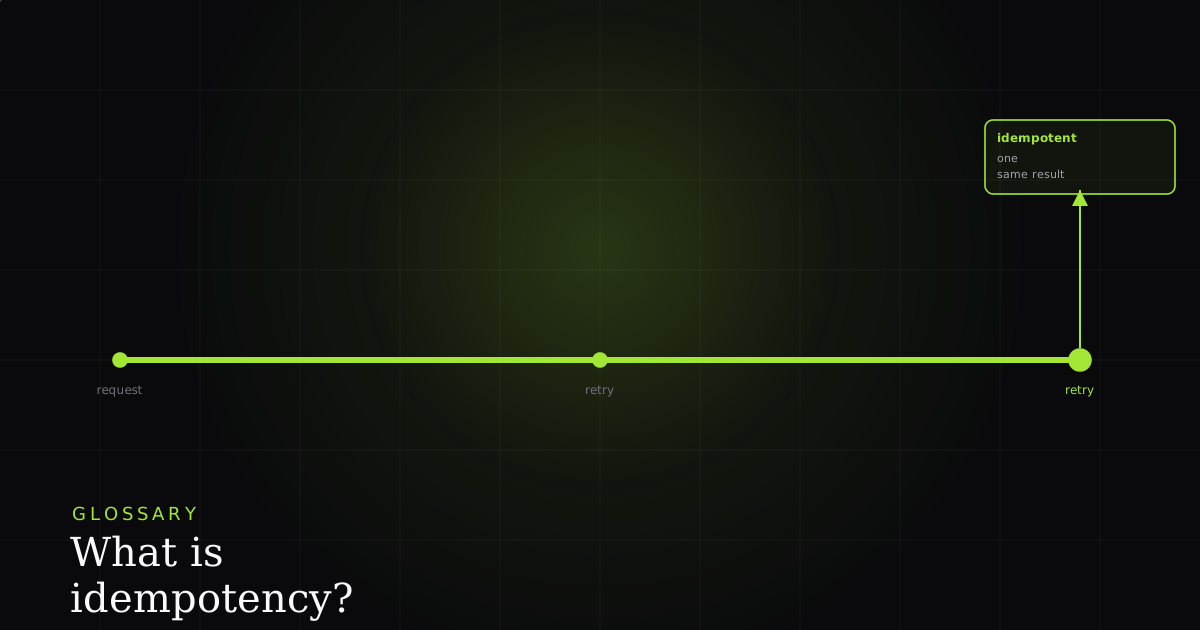
What idempotency means in APIs and HTTP, which methods are idempotent, and how idempotency keys stop retries from double-charging or double-creating.
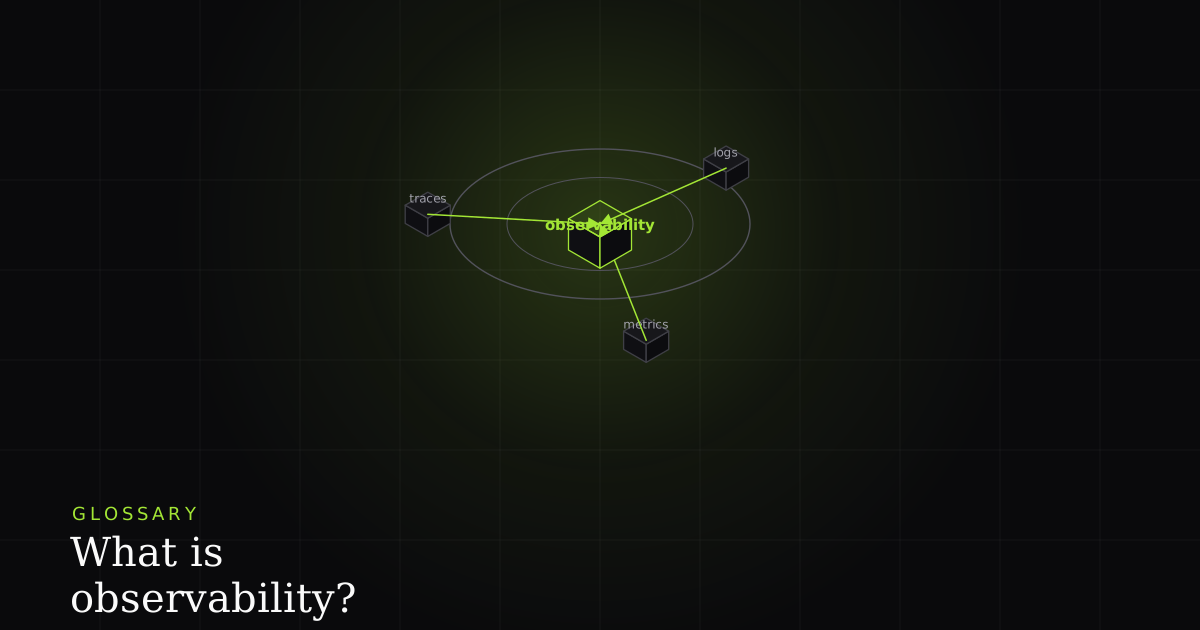
What observability means, the three pillars (logs, metrics, and traces), how they complement each other, observability vs monitoring, and where OpenTelemetry fits.
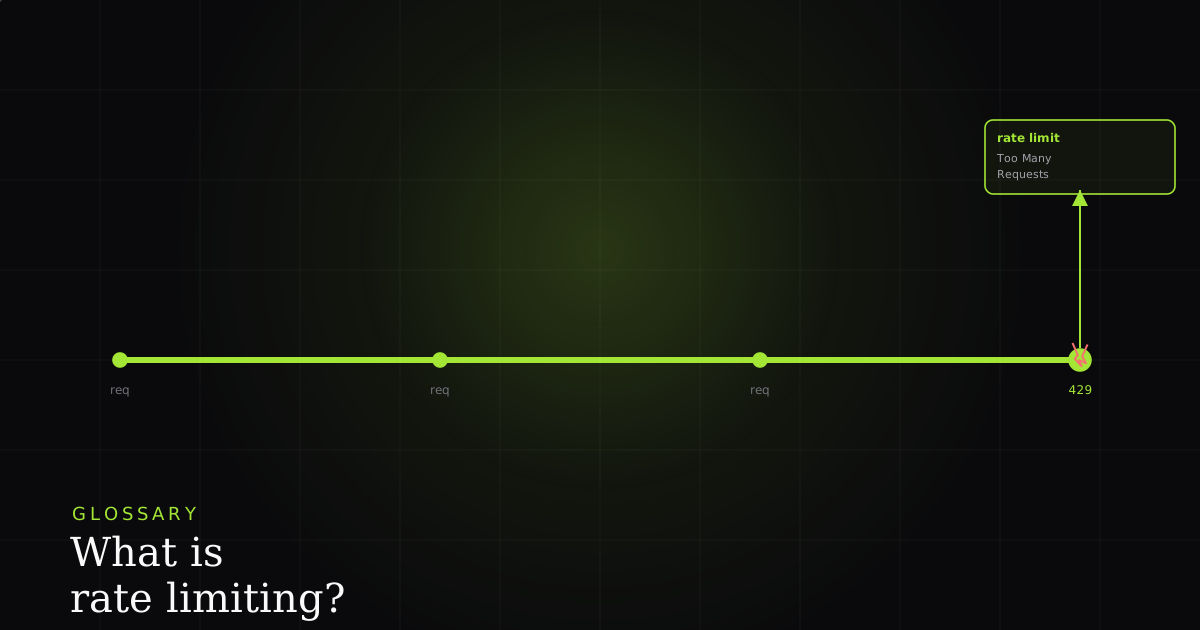
What rate limiting is, why the 429 status and Retry-After header exist, the token bucket and other algorithms, and how clients should back off on 429.
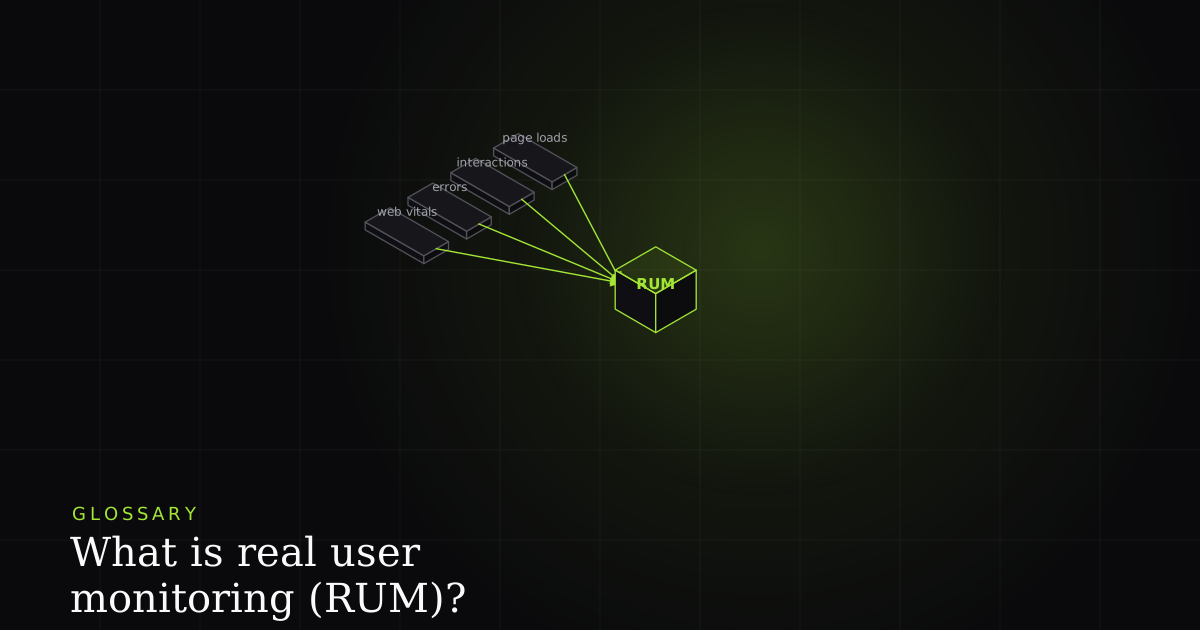
Real User Monitoring (RUM) collects performance and experience data from real users' browsers. What it measures, how it works, and RUM vs synthetic.
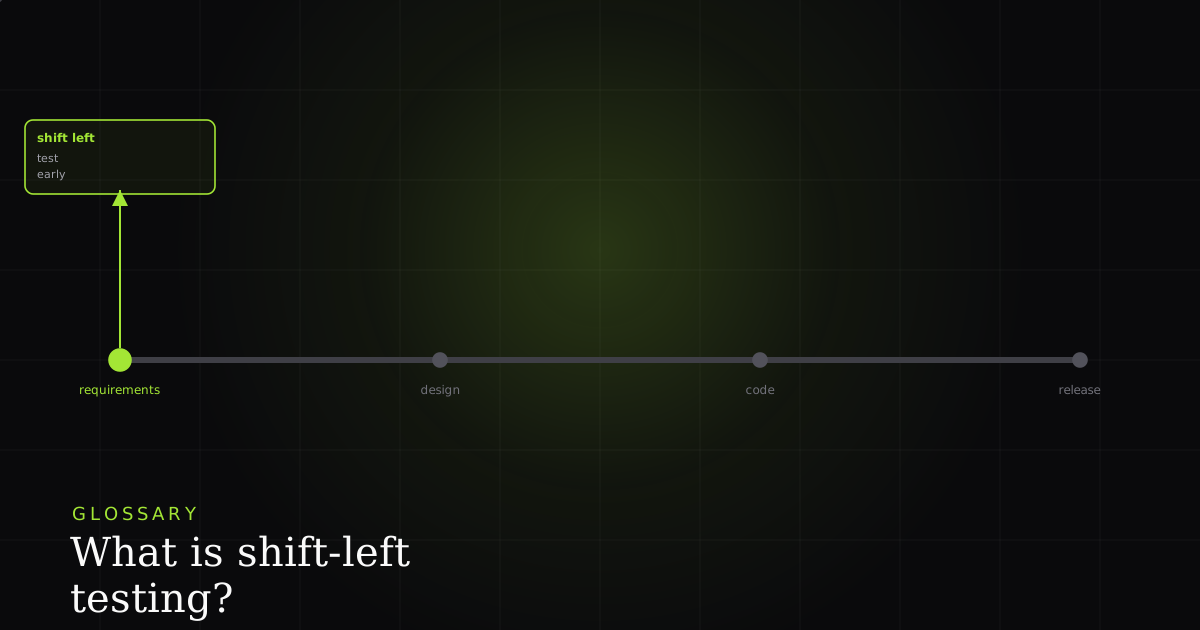
Shift-left testing means moving testing earlier in the software lifecycle to catch defects in requirements, design, and code: the economics, practices, and honest caveats.
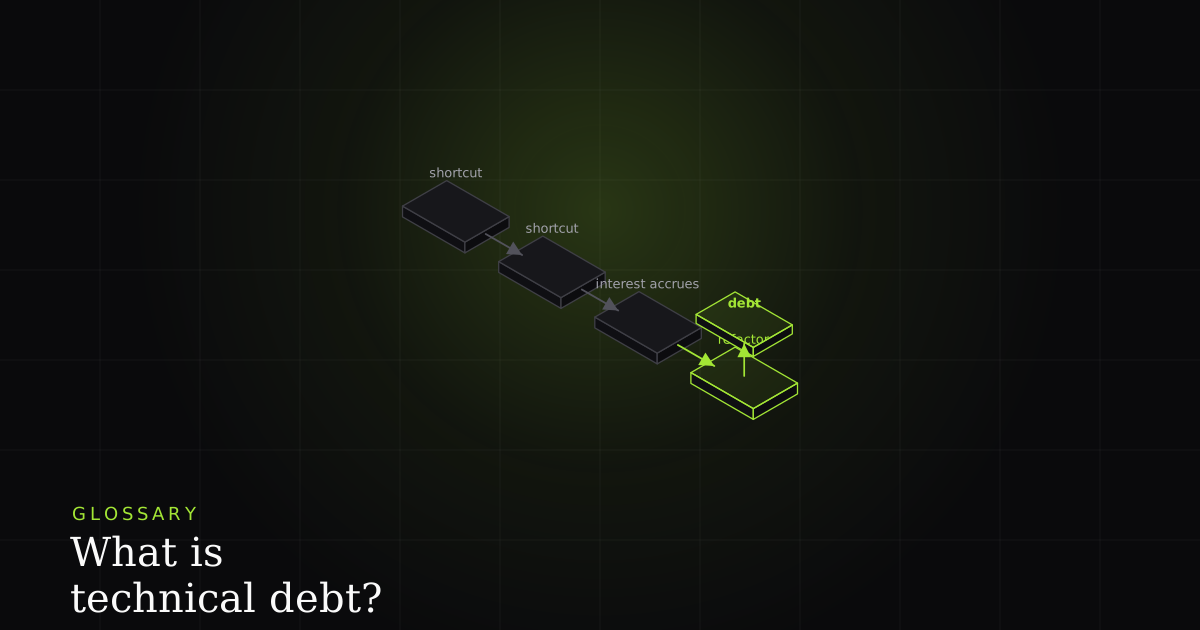
Technical debt is the future cost of choosing a fast, easy solution now over a better one. Learn its causes, Fowler's quadrant, and how to manage it.
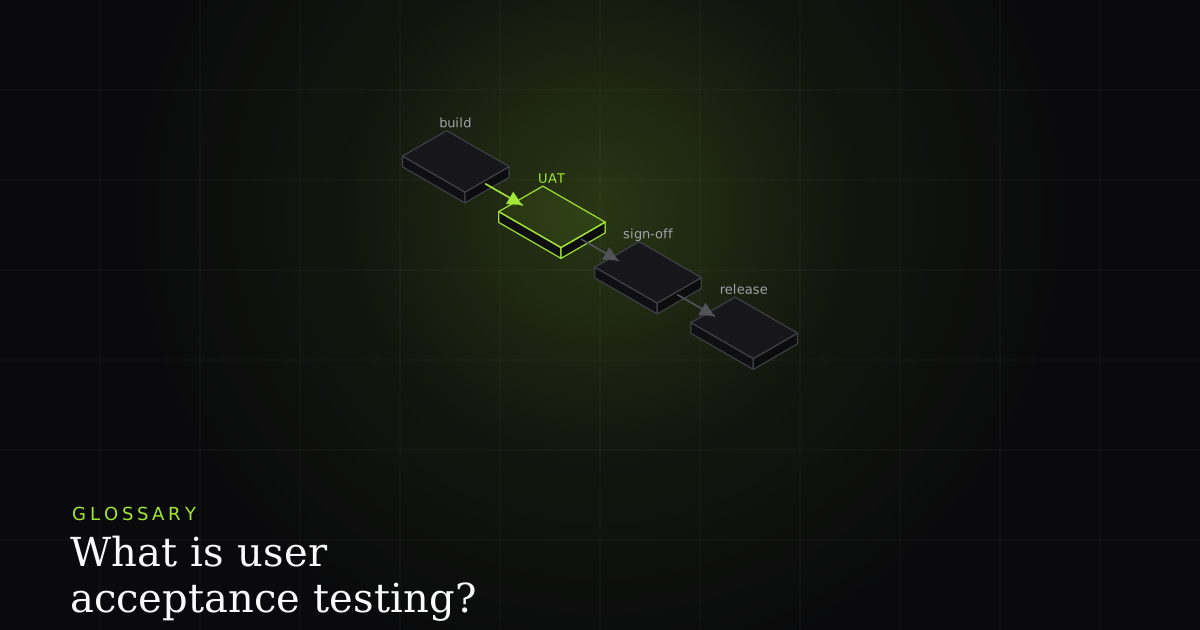
User acceptance testing (UAT) is the final phase where real end users verify software meets their needs and acceptance criteria before it goes live.
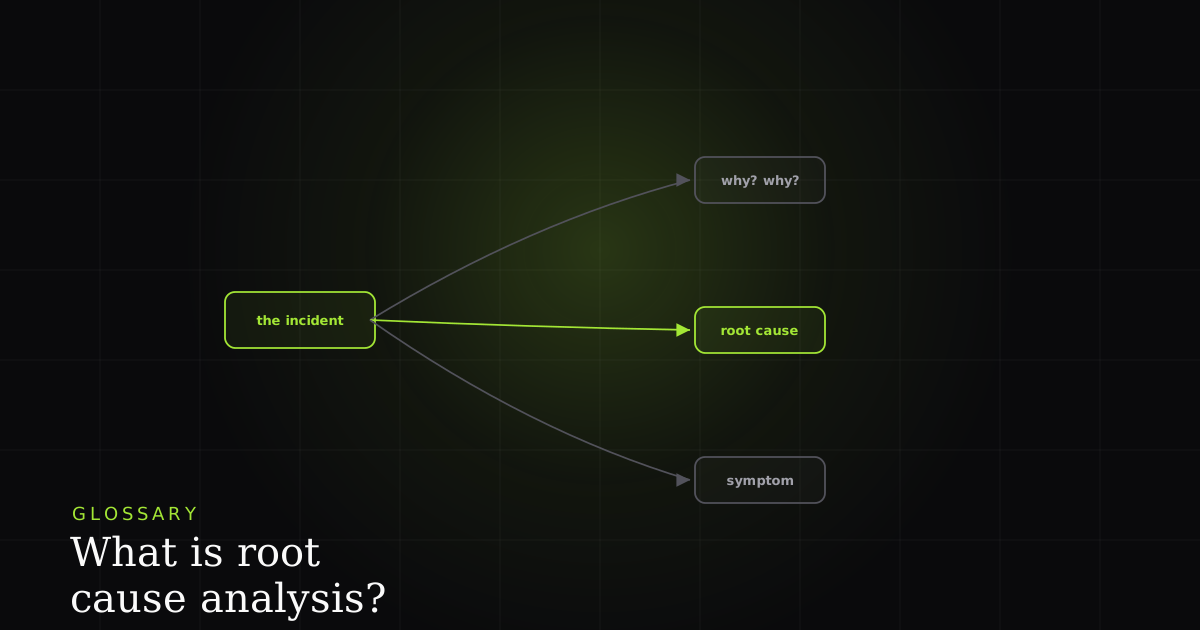
Root cause analysis explained: the 5 Whys technique with a worked software example, the fishbone diagram, when to use which, and the human-error trap.
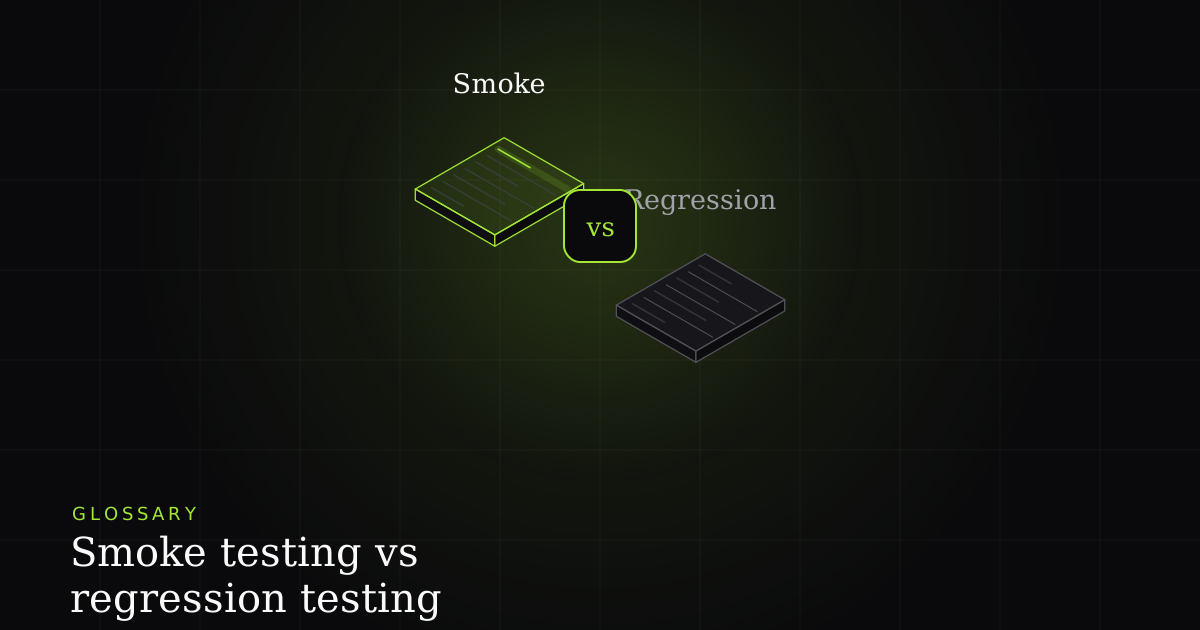
Smoke testing is a fast build-stability gate; regression testing is a thorough safety net for change-related breaks. How they differ, and how they work together.
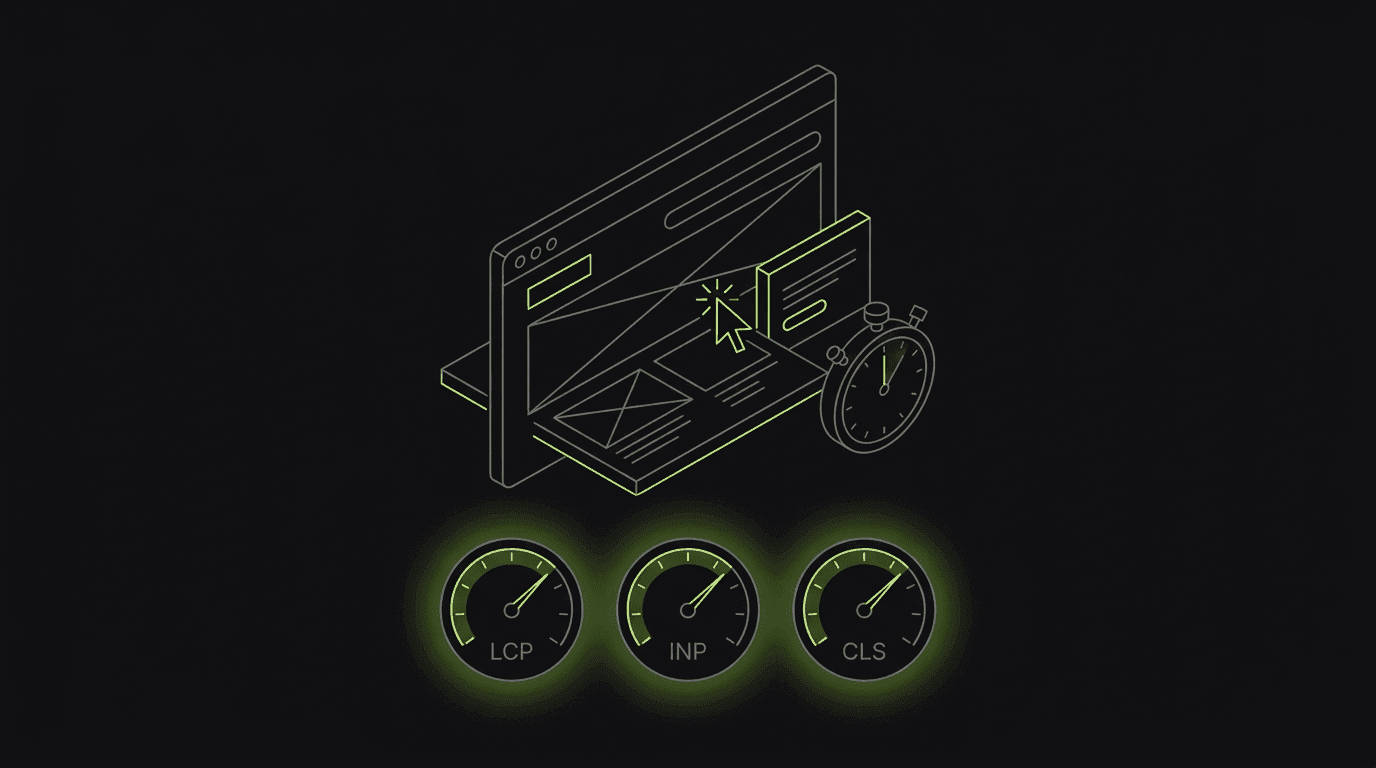
A plain-English definition of Core Web Vitals: LCP, INP (which replaced FID in 2024), and CLS, their Google thresholds, and how they map to real bugs.
A plain-English definition of a browser memory leak, the common JavaScript causes, and how to find one with the Chrome DevTools heap profiler and session replay.
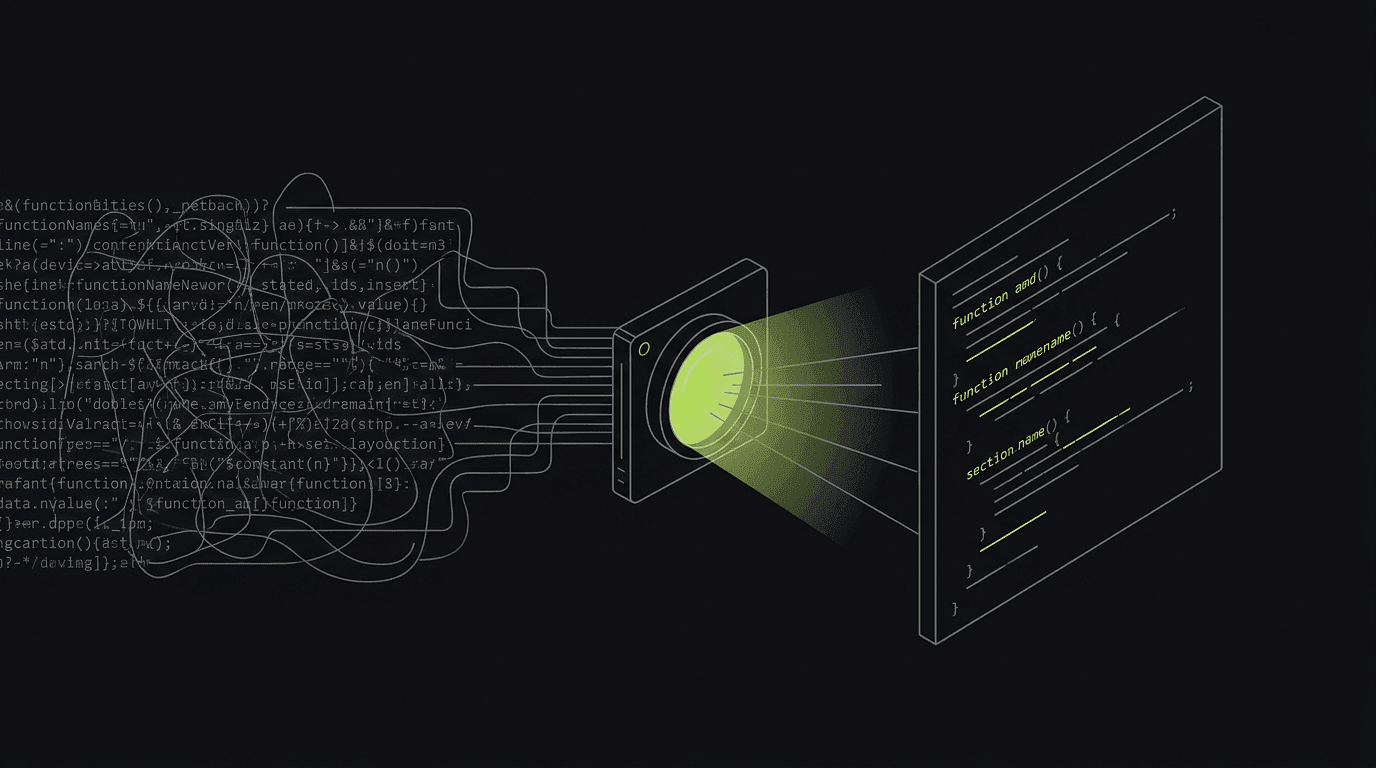
What a source map is, why minified stack traces are useless without one, how VLQ mappings rebuild the original frame, and why public .map files are a breach risk.
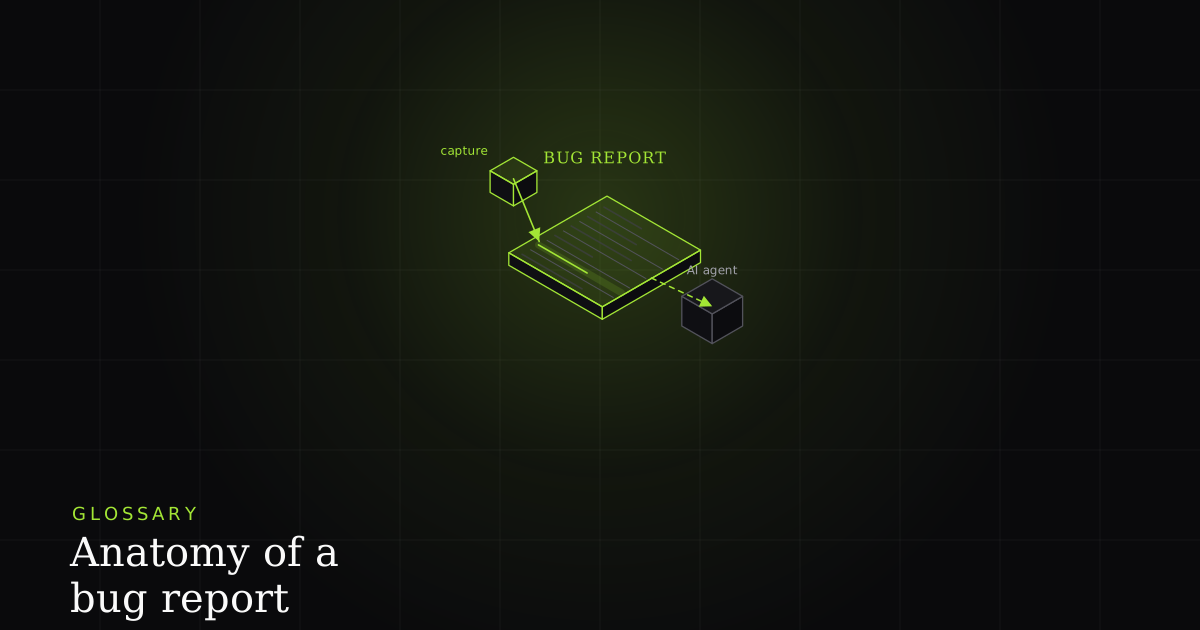
What a bug report is, the six anatomy fields engineers need, a free copy-paste template, and which fields auto-populate from a real browser capture.
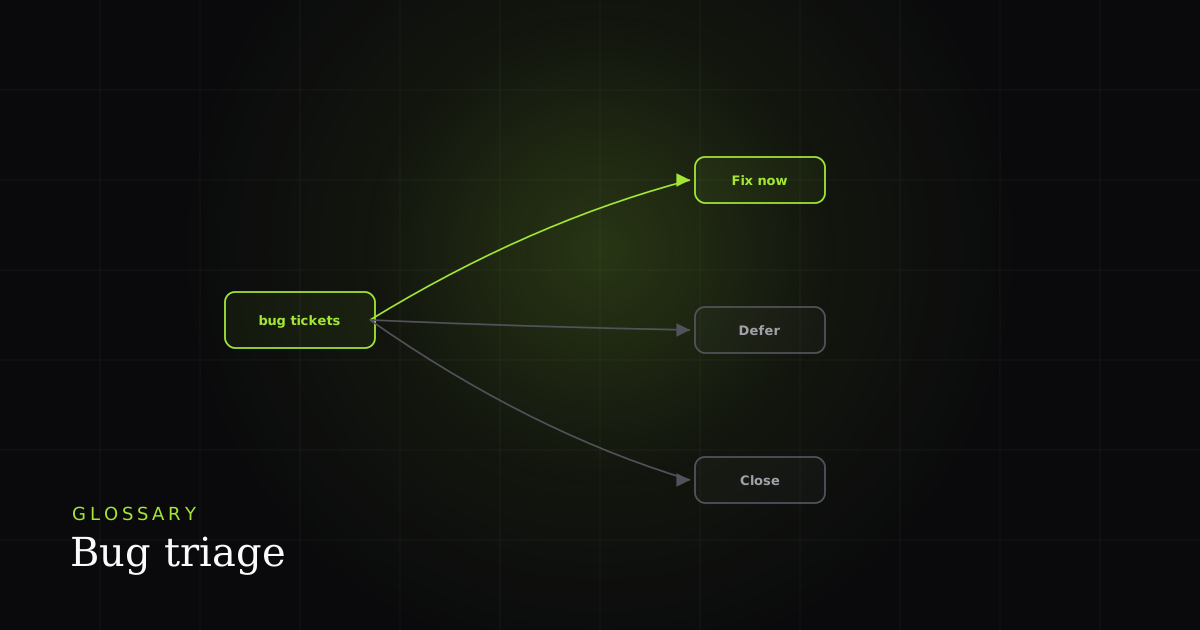
What bug triage is, a repeatable severity-by-priority rubric, how often to run it, who owns each call, and why complete captures make triage faster.
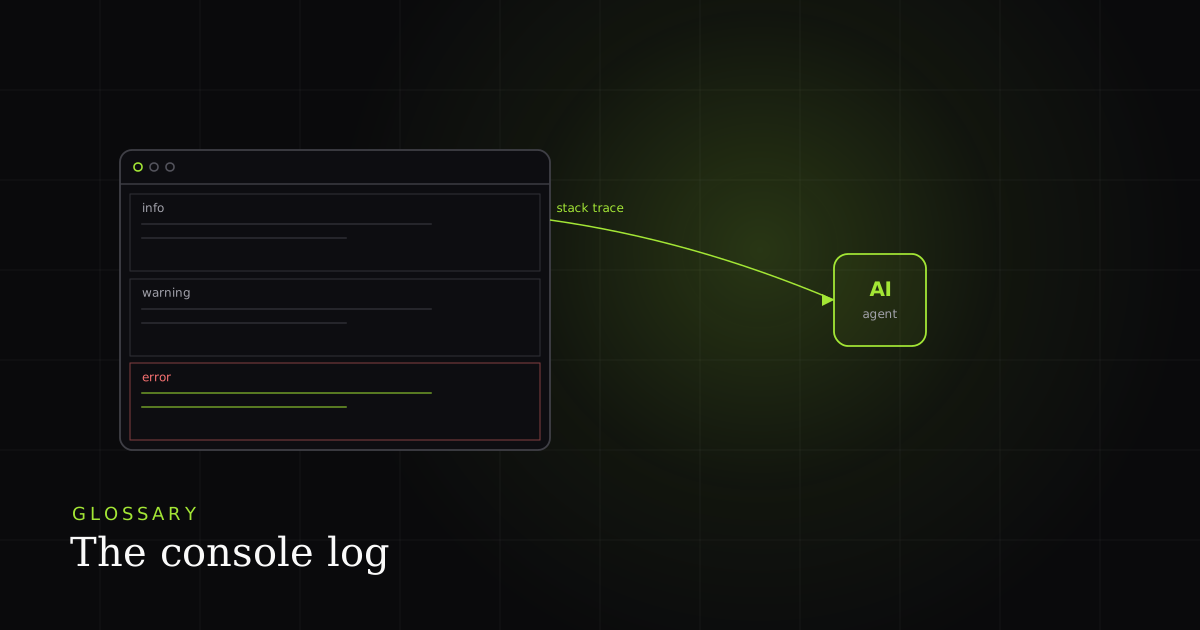
What a console log is, the difference between console.log, warn, and error, why errors carry a stack trace, and how a captured console surfaces silent bugs.
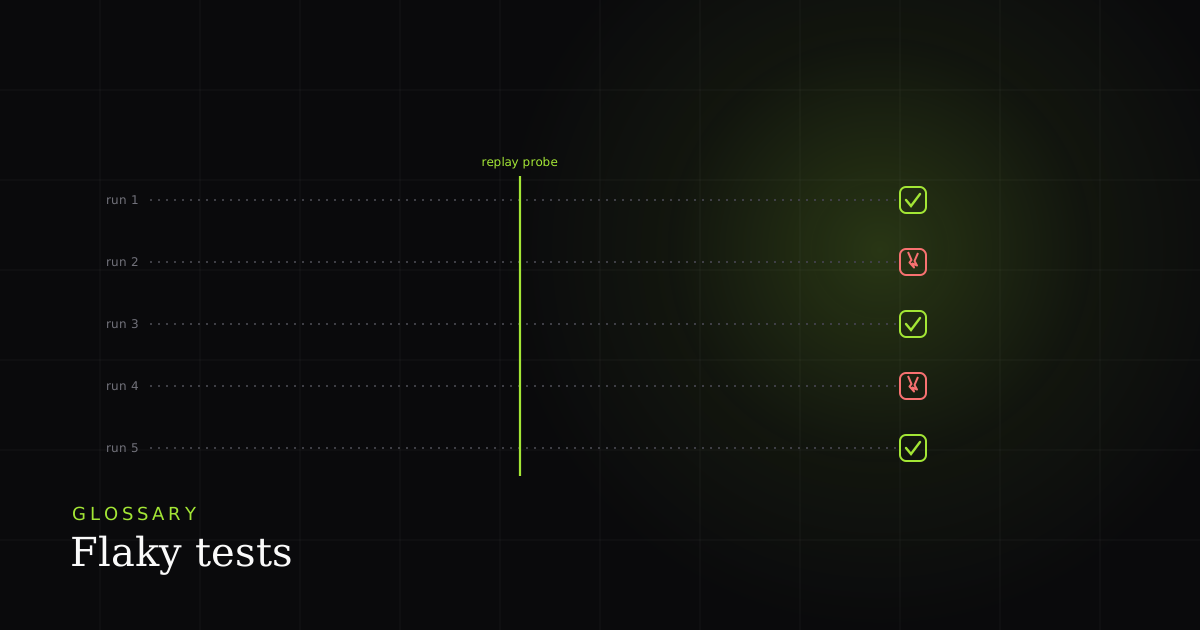
What a flaky test is, why tests fail intermittently, how to fix the non-determinism, and how retry and quarantine differ from a real cure.
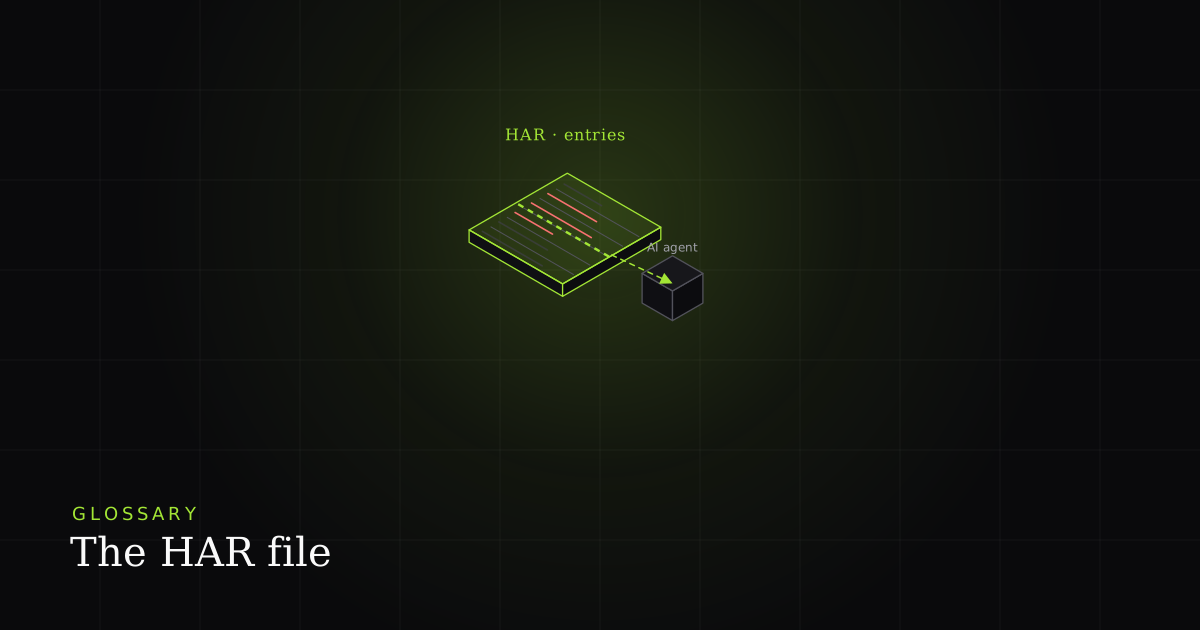
What a HAR file is, what its log/entries structure captures, why an unsanitized export leaks Cookie and Authorization headers, and how capture-time redaction fixes it.
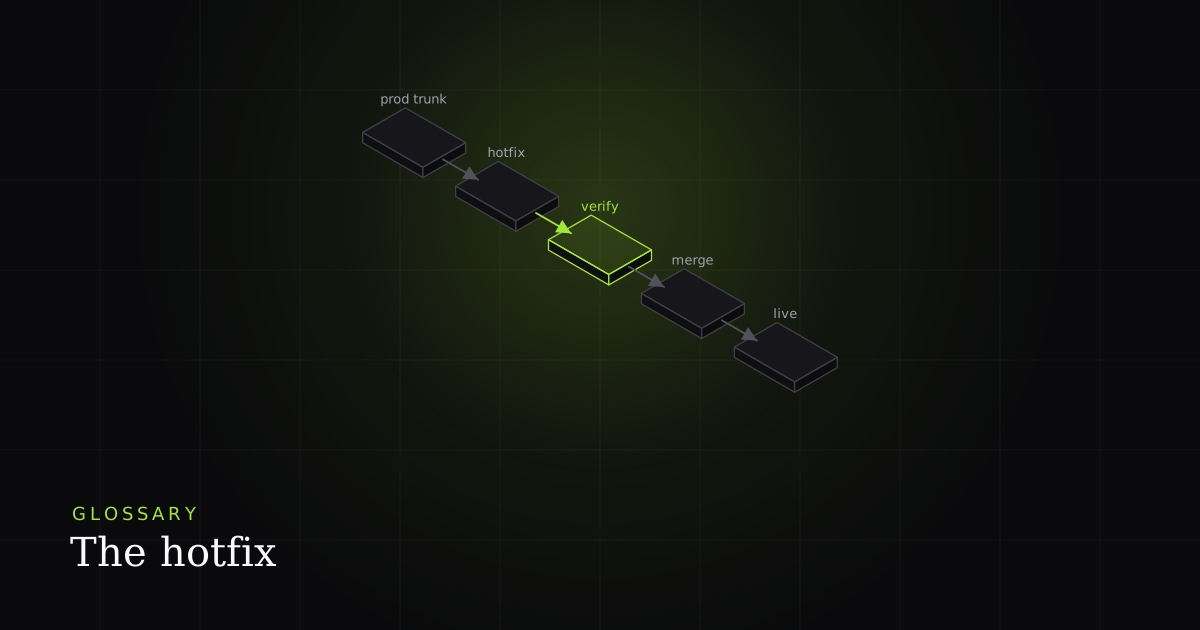
What a hotfix is, when to ship one instead of waiting, how to branch and verify it safely, and how it differs from a rollback or a routine patch.
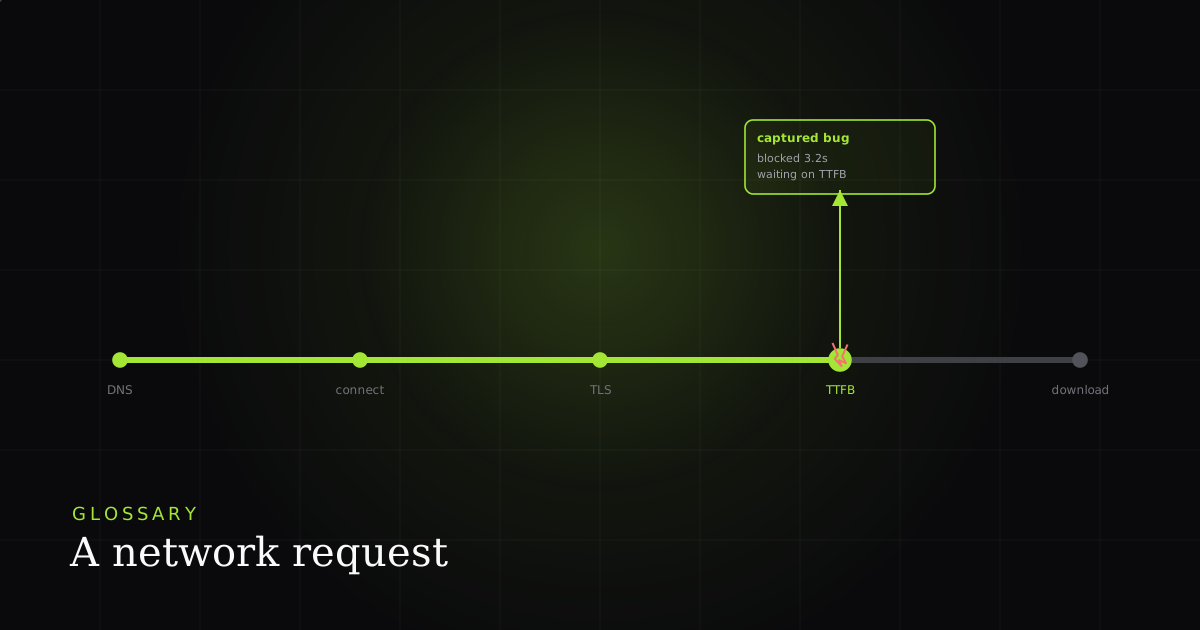
What a network request is, how to read the DevTools waterfall and Timing phases, why requests stall, and how the timeline becomes an input for AI debugging agents.
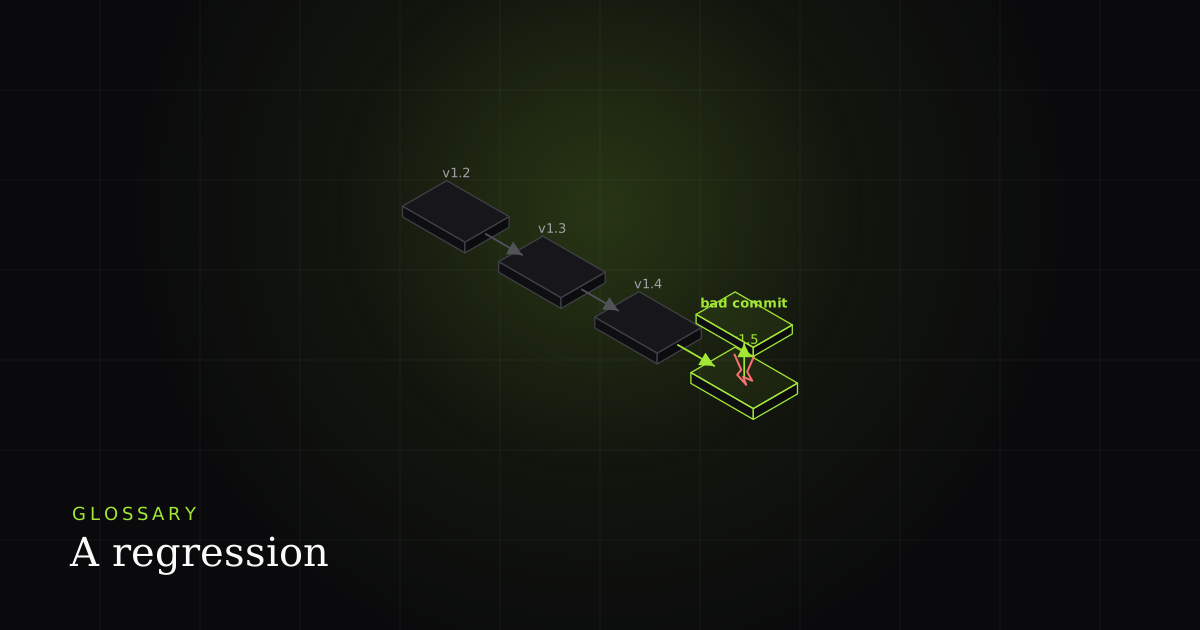
What a software regression is, the four changes that cause one, how to detect and prevent regressions with a baseline and change-fail-rate, and the AI-code angle.
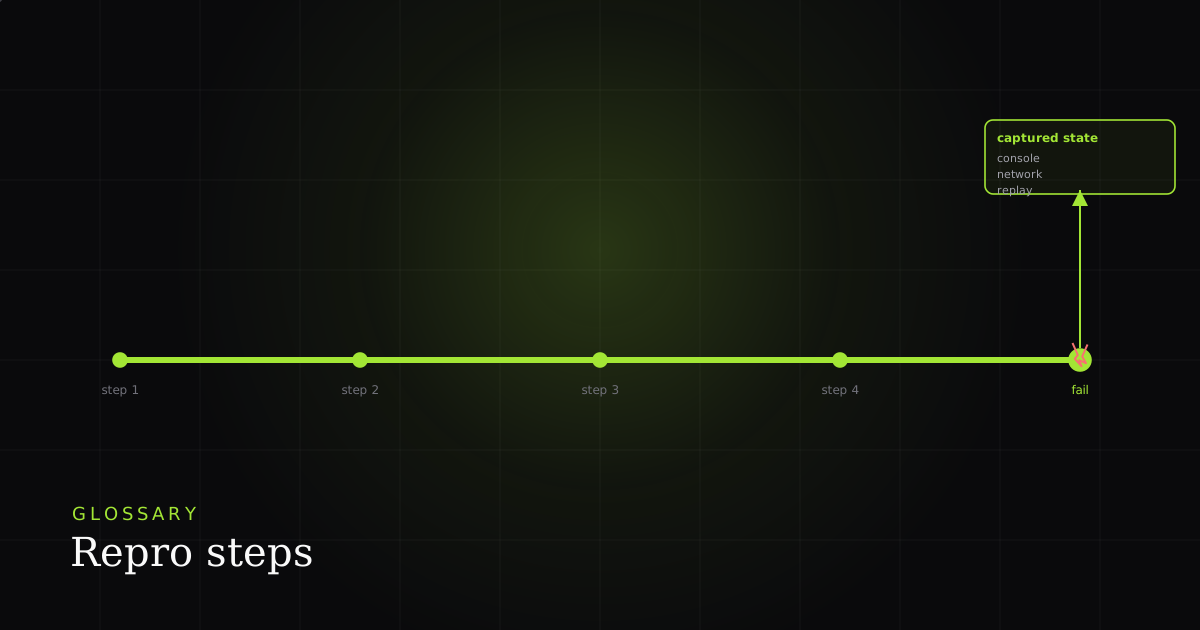
What reproduction steps (STR) are, the anatomy of steps that actually repro, why reproducibility drives fix time, and how to handle intermittent bugs.
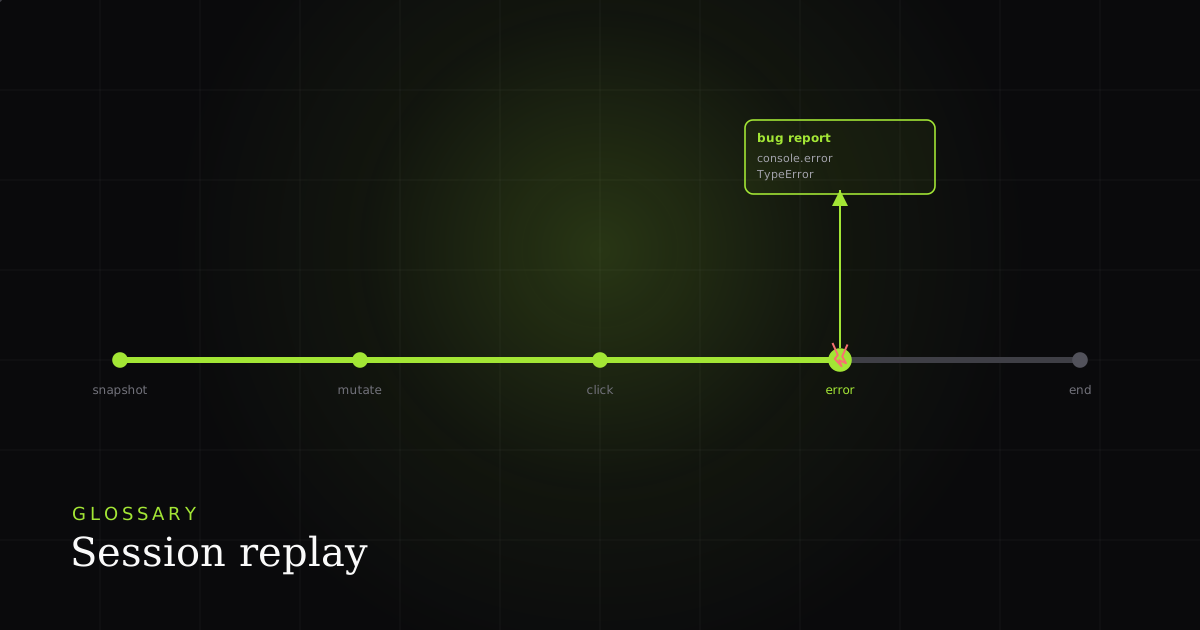
What session replay is, why it records the DOM (not pixels), how it rebuilds a page without re-running JS, and how a replay becomes input for an AI agent.
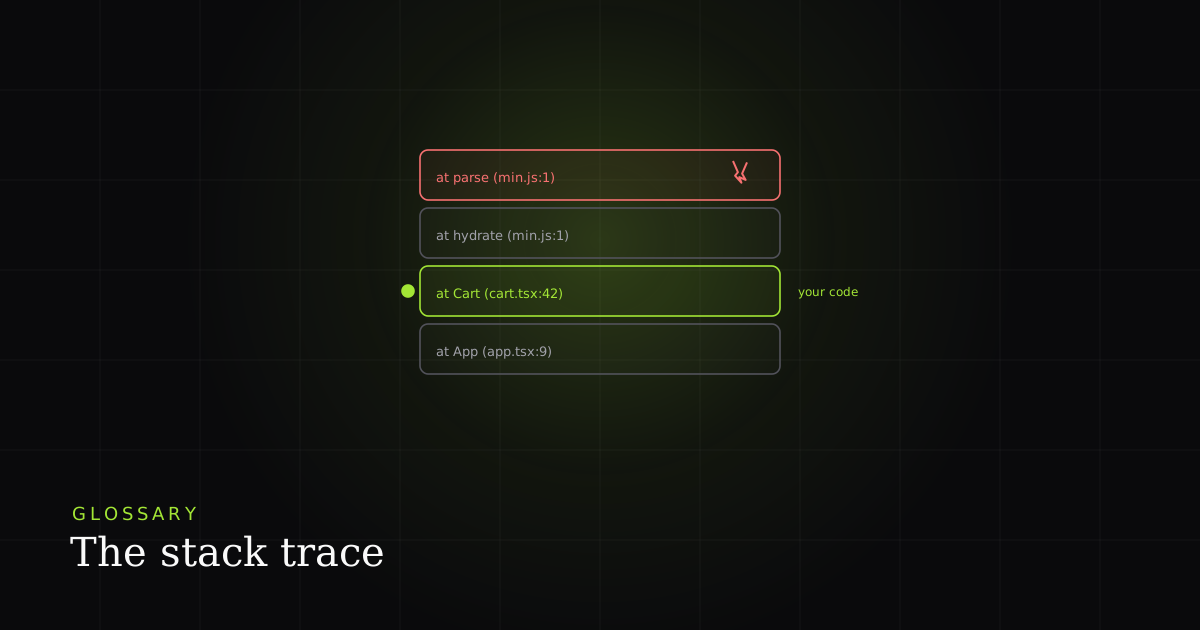
What a stack trace is, how to read frames top to bottom, which line is the real bug, and how the trace becomes an input for AI debugging agents.